Contrast Therapy Basics
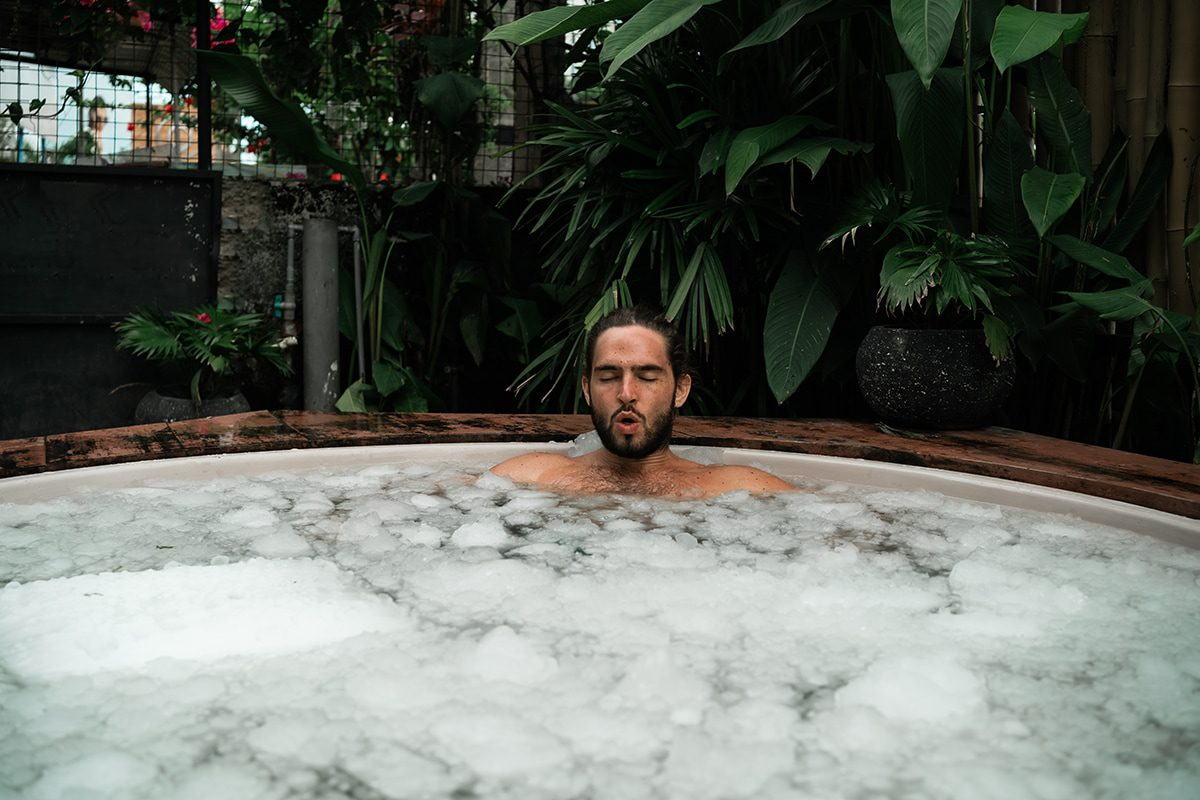
Contrast therapy recovery protocols harness the physiological effects of alternating warm and cold exposure. This cycling promotes enhanced blood flow, reduces muscle soreness, and speeds tissue repair. Typically employed by athletes and physical therapists, it involves immersion or application of heat (around 38–42°C) followed by cold (10–15°C) in timed intervals. The goal is to stimulate vascular pumping to flush metabolic waste and supply fresh oxygen and nutrients.
Practical examples include post-marathon recovery, where runners spend 3–5 minutes in warm water followed by 1 minute in ice baths repeatedly. According to a 2018 study published in the Journal of Sports Sciences, athletes using contrast water therapy showed 30%-40% faster recovery in perceived muscle soreness compared to passive rest.
Main Practice Problems
Inconsistent Timing and Temperature
Many users either overdo warm or cold durations or use non-therapeutic temperatures, diminishing the benefits or causing adverse effects like vasodilation without sufficient constriction.
Lack of Tailored Protocols
One-size-fits-all approaches ignore individual conditions such as circulation issues or hypersensitivity, risking injury or ineffective outcomes.
Ignoring Safety Guidelines
Skipping medical consultation when contraindicated (e.g., cold urticaria or circulatory problems) can exacerbate health issues.
Consequently, improper contrast therapy can prolong recovery or induce complications such as frostbite, burns, or circulatory shock. For example, an amateur athlete ignoring cold exposure tolerance faced skin damage after 10 minutes in an ice bath at 5°C.
Solutions & Protocols
Follow Established Protocols
Use scientifically validated duration cycles: 3–5 minutes warm followed by 1 minute cold, repeated 3–5 times. Brands like ThermoWave offer timers and temperature-controlled devices helping users adhere to precise intervals.
Control Temperatures Precisely
Maintain warm water at 38–42°C and cold between 10–15°C for optimal vasomotor response. Tools such as the Cool Therapy Solutions system provide automated temperature regulation facilitating safe, consistent treatment.
Customize Based on User Profile
Assess cardiovascular health, skin sensitivity, and injury status before initiating contrast therapy. Physical therapists often tailor cycles for post-operative patients by shortening cold exposure and gradually increasing intensity.
Use Quality Equipment
Invest in quality contrast baths or dual-chamber tubs like the Renu Therapy Pro, which offers easy-switch controls for warm and cold immersion, ensuring smooth transitions without delays.
Educate and Monitor
Ensure therapists and users understand physiological responses and watch for adverse signs during sessions. Documentation apps like Recovery Log help track session length, temperature, and subjective comfort.
Results from Proper Application
Consistent contrast therapy protocols can reduce delayed onset muscle soreness (DOMS) by up to 50% within 48 hours and improve recovery markers like CK (creatine kinase) by 20% as evidenced in controlled trials.
Case Studies
Elite Soccer Team Integration
Company: Professional soccer club FC Dynamo
Problem: Players faced cumulative fatigue and minor muscle injuries during a congested match schedule.
Intervention: Implemented a contrast therapy protocol post-training using Contrast Pro Tubs with 4-minute warm (40°C) and 1-minute cold (12°C) cycles repeated 4 times.
Result: Reported 35% reduction in muscle soreness and a 22% decrease in injury-related absences after two months compared to the previous season.
Rehabilitation Clinic Application
Company: Orthopedic rehab center JointCare Solutions
Problem: Post-ACL reconstruction patients struggled with swelling and pain delaying physiotherapy progress.
Intervention: Prescribed contrast therapy baths using HydroTherm automated systems with shorter cold exposure (30 seconds) and longer warm phases (5 minutes), carefully monitored by therapists.
Result: Patients showed 18% faster reduction in knee edema and achieved 90-degree bend 4 days earlier than those in control groups.
Protocol Comparison
| Parameter | Standard | Rehab | Elite Sport |
|---|---|---|---|
| Warm Phase | 3-5 min (38-42°C) | 5 min (39°C) | 4 min (40°C) |
| Cold Phase | 1 min (10-15°C) | 30 sec (12°C) | 1 min (12°C) |
| Cycles | 3-5 reps | 3-4 reps | 4-5 reps |
| Setup & Control | Self-monitored. Basic tubs. | Therapist supervised. Hydro units. | Digital tracking. Pro baths. |
Common Mistakes
Excessive Cold Exposure
Reduce cold immersion time to prevent frostbite especially when below 10°C. Use timers and monitor skin color.
Ignoring Individual Limits
Always screen for contraindications like Raynaud’s disease. Avoid therapy if numbness or sharp pain occurs.
Skipping Warm-Up or Cool-Down
Incorporate gentle movements or stretching before and after therapy to enhance results and reduce injury risk.
Failure to Hydrate
Drink water pre- and post-therapy as temperature cycling can influence hydration status and circulation.
Unregulated Temperature
Use digital thermostats or smart tubs avoiding guesswork with tap water.
FAQ
What is the ideal temperature range for contrast therapy?
The warm phase should be 38–42°C, while the cold phase should be maintained between 10–15°C for effective vascular cycling.
How long should each cycle last in contrast therapy?
Standard protocols recommend 3–5 minutes warm followed by 1 minute cold, repeated 3–5 times depending on goals and tolerance.
Who should avoid contrast therapy?
Individuals with circulatory problems, cold urticaria, open wounds, or certain cardiovascular conditions should consult a physician before use.
Can contrast therapy improve recovery times?
Yes, studies show a reduction of muscle soreness by up to 40% and faster edema resolution when proper protocols are followed.
Are there any recommended brands for home use?
Brands like ThermoWave, Renu Therapy Pro, and Cool Therapy Solutions provide reliable at-home contrast therapy equipment with controlled settings.
Author's Insight
Having utilized contrast therapy with professional athletes and rehabilitation patients over a decade, I’ve witnessed firsthand the powerful impact of carefully controlled temperature cycling. Precision in timing and temperature is critical; even small deviations reduce effectiveness or risk harm. Investing in quality equipment and customizing protocols dramatically improves recovery speed and patient comfort. When done right, contrast therapy is an indispensable tool for accelerating healing and optimizing physical performance.
Summary
Contrast therapy protocols relying on warm and cold cycles are a scientifically supported recovery method that enhances circulation and reduces muscle fatigue. Prioritize established timing (3–5 min warm, 1 min cold), control temperatures precisely between 38–42°C and 10–15°C, and tailor the approach to individual health status. Use quality tools such as ThermoWave or Renu Therapy equipment, monitor user response, and avoid common mistakes like excessive cold duration. This structured approach maximizes therapeutic benefits for athletes and rehabilitative patients alike.