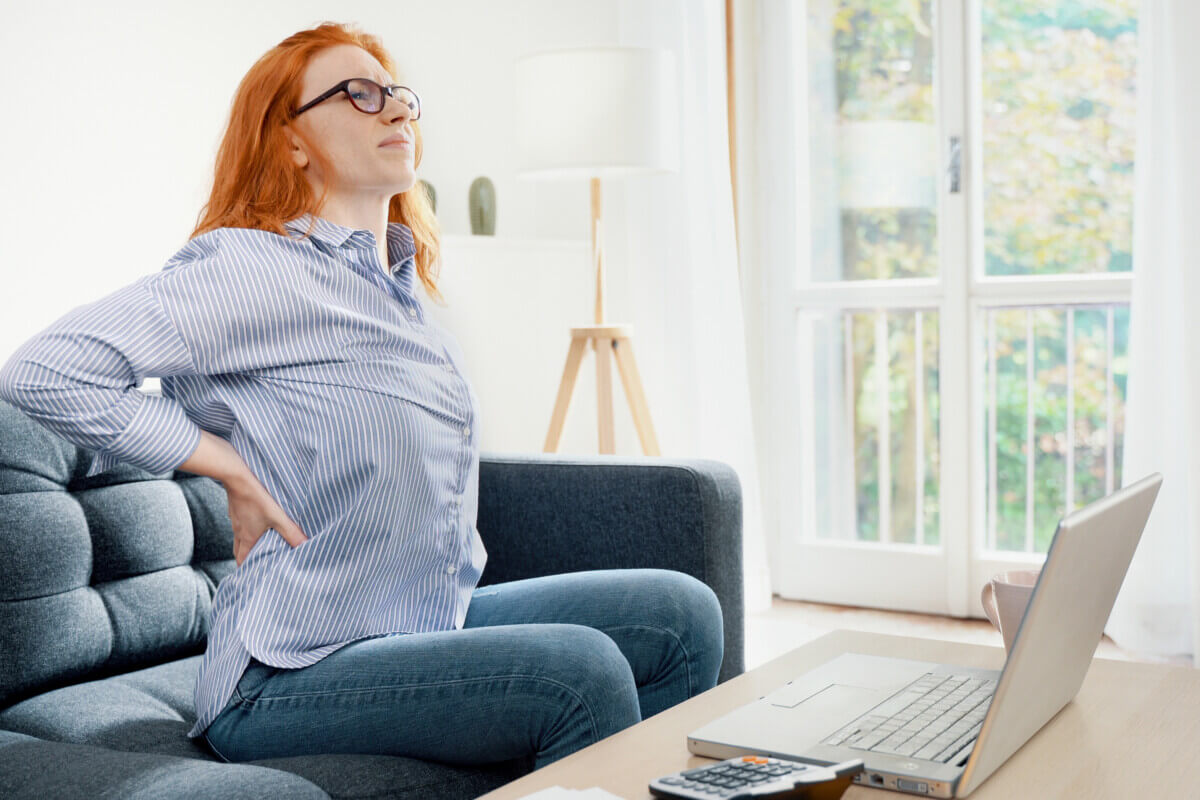
The Sedentary Crisis
In my decade of tracking workplace wellness, I have seen the human body react to the chair like a biological cage. When you sit, your large muscle groups—specifically your glutes and hamstrings—go electrically silent. This isn't just "resting"; it is a physiological shutdown that halts the production of lipoprotein lipase, an enzyme essential for breaking down fats in the blood.
Consider a typical software engineer at a firm like Stripe or Google. They might exercise for 60 minutes in the morning but remain stationary for the following nine hours. Research from the American Heart Association suggests that even a dedicated workout cannot fully negate the damage of prolonged sedentary time, a phenomenon known as the "Active Couch Potato" syndrome.
Statistics show that sitting for more than eight hours a day without physical activity has a risk of dying similar to the risks posed by obesity and smoking. According to Mayo Clinic data, the metabolic rate drops to nearly one calorie per minute when seated—barely more than a person in a coma.
The Lipoprotein Lipase Drop
Within 90 minutes of sitting, the enzymes that burn triglycerides drop by 95%. This causes fats to circulate in the bloodstream rather than being utilized for energy, leading to a spike in LDL cholesterol. It is a silent shift that happens regardless of your body weight.
Vascular Shear Stress
Sitting creates "kinks" in the femoral arteries. Reduced blood flow leads to shear stress on the vessel walls, which is a precursor to atherosclerosis. Even in healthy 25-year-olds, three hours of uninterrupted sitting reduces vascular dilation by 33%.
Insulin Resistance Spikes
Muscles are the primary consumers of glucose. When they remain inactive, insulin receptors become less sensitive. A study published in The Lancet found that sedentary behavior increases the risk of Type 2 diabetes by 112%.
Spinal Compression Forces
The intradiscal pressure in your lumbar spine is 40% higher when sitting than when standing. Over time, this causes the jelly-like nuclei of your discs to dehydrate, leading to "bulges" that compress the sciatic nerve.
The Mental Fog Connection
Physical stillness leads to reduced oxygenation of the brain. The University of California found that sedentary lifestyles are linked to thinning in the medial temporal lobe, the area responsible for forming new memories.
Critical Pain Points
The primary mistake is treating ergonomic furniture as a cure-all. Buying a $1,500 Herman Miller Aeron chair is useless if you remain in it for five hours straight. The problem isn't the chair; it's the lack of postural transition. Most people also fail to recognize "tech neck," where leaning 45 degrees forward puts 50 pounds of pressure on the cervical spine.
Another overlooked issue is the "Gluteal Amnesia" or Dead Butt Syndrome. When you sit, your hip flexors tighten, and your glutes undergo reciprocal inhibition—they literally forget how to fire. This leads to chronic lower back pain and knee instability because the wrong muscles are overcompensating for the dormant ones.
Real-world situations often involve back-to-back Zoom calls. High-performers often skip water or movement breaks to appear "productive," but by 3:00 PM, their prefrontal cortex is operating at a deficit. This "grind culture" creates a feedback loop of physical inflammation and mental burnout.
Proven Recovery Methods
The most effective solution is the "20-8-2 Rule" popularized by Dr. Alan Hedge at Cornell University. For every 30 minutes, sit for 20, stand for 8, and move/stretch for 2. This frequency is more important than the intensity of the movement. It keeps the metabolic furnace flickering rather than letting it go cold.
Integrating a standing desk, like those from Fully or Uplift Desk, is a tactical win. However, you must use an anti-fatigue mat to prevent venous pooling in the legs. Standing on a hard floor for four hours is just as damaging as sitting because it strains the circulatory valves.
For those in deep-work states, use "Intermittent Movement" triggers. Tools like Focus To-Do (Pomodoro timer) or Stretchly (open-source break reminder) force a digital pause. During these breaks, perform "Soleus Pushups"—repeatedly raising your heels while seated. A 2022 study from the University of Houston showed this specific movement can lower blood sugar spikes by 52% after a meal.
Incorporate "Walking Meetings." If a call doesn't require screen sharing, take it on your AirPods while walking outside. Companies like LinkedIn have pioneered this, finding that walking increases creative output by 60% compared to sitting in a boardroom.
Finally, address the "Deep Squat" deficiency. Spending 2 minutes a day in a deep primal squat opens the hip capsules and reverses the shortening of the psoas muscle. Use a Slant Board or Knees Over Toes equipment to improve ankle mobility, which is often lost after years of sedentary office work.
Real-World Case Studies
Case Study 1: Tech Infrastructure Startup (50 employees)
The engineering team reported a 40% rate of lower back complaints. Management replaced standard desks with Vari electric sit-stand converters and implemented a "No-Meeting Wednesday" to allow for movement-friendly deep work. Within six months, health insurance claims related to musculoskeletal issues dropped by 22%, and self-reported energy levels rose by 35%.
Case Study 2: Independent Financial Consultant
A 45-year-old consultant suffering from pre-diabetes and chronic sciatica adopted a "Walking Desk" setup using a TR1200-DT3 Under-Desk Treadmill. By walking at a slow pace (1.5 mph) for just 3 hours of his 8-hour day, he lost 15 pounds in four months and brought his HbA1c levels back to the normal range without additional medication.
Ergonomic Strategy Map
| Tool Category | Top Recommendation | Key Benefit | Best Practice |
|---|---|---|---|
| Seating | Herman Miller Embody | Spinal pressure distribution | Adjust lumbar to natural curve |
| Standing | Uplift V2 Desk | Stability and height memory | Elbows at 90-degree angle |
| Micro-Movement | Steppie Balance Board | Active core engagement | Use while on video calls |
| Software | Workrave (Windows/Linux) | Forced "Micro-pauses" | Set for every 45 minutes |
| Footwear | Vivobarefoot Primus | Restores natural foot arch | Avoid heels or heavy padding |
Common Pitfalls
The most common error is "The Weekend Warrior" mentality. Thinking a 5-mile run on Saturday makes up for 40 hours of sitting is a dangerous myth. You cannot "out-exercise" a sedentary lifestyle. Consistency in micro-movements during the workday is the only variable that correlates with metabolic health.
Another mistake is poor monitor placement. Even with a standing desk, if your monitor is too low, you develop "Forward Head Posture." Your screen should be at eye level, so your gaze hits the top third of the display. Use a Laptop Stand and an external keyboard to decouple the screen from the input device.
Don't ignore hydration as a movement strategy. Drink enough water to necessitate a trip to the restroom once every 60-90 minutes. It is a built-in biological timer that forces you to stand up and walk, serving a dual purpose of hydration and circulation.
FAQ
Is standing all day better than sitting?
No. Static standing can lead to varicose veins and joint strain. The goal is "dynamic movement"—switching between sitting, standing, and walking throughout the day.
How many steps should an office worker aim for?
While 10,000 is the standard, research shows that 7,000 to 8,000 steps significantly reduce mortality risk. The key is spreading these steps across the day rather than one single burst.
Can a lumbar pillow fix my back pain?
A lumbar pillow provides external support but doesn't solve the internal weakness. You must strengthen your core (transverse abdominis) to provide natural stability.
Do blue light glasses help with sedentary fatigue?
They reduce eye strain, which can make you feel less "drained," but they don't address the metabolic or circulatory issues of sitting.
Does a "gaming chair" work for office health?
Most gaming chairs prioritize aesthetics over ergonomics. They often have "bucket seats" that roll the shoulders forward, which is suboptimal for long-term spinal health compared to dedicated task chairs.
Author’s Insight
After switching to a hybrid movement model three years ago, my chronic mid-back "knot" disappeared within weeks. I personally use a Topochair stool to engage my core and set a silent haptic alarm on my Apple Watch every 50 minutes. My biggest takeaway is that "the best posture is your next posture." Never stay in one position for longer than an hour, even if it feels comfortable at the time.
Summary
The biological cost of a sedentary lifestyle is a debt that compounds daily. However, you don't need to quit your office job to save your health. By adopting the 20-8-2 rule, utilizing tools like standing desks and movement-reminder software, and prioritizing vascular health through micro-movements, you can neutralize the risks. Start today by standing up during your next phone call; your metabolic health depends on these small, consistent choices.