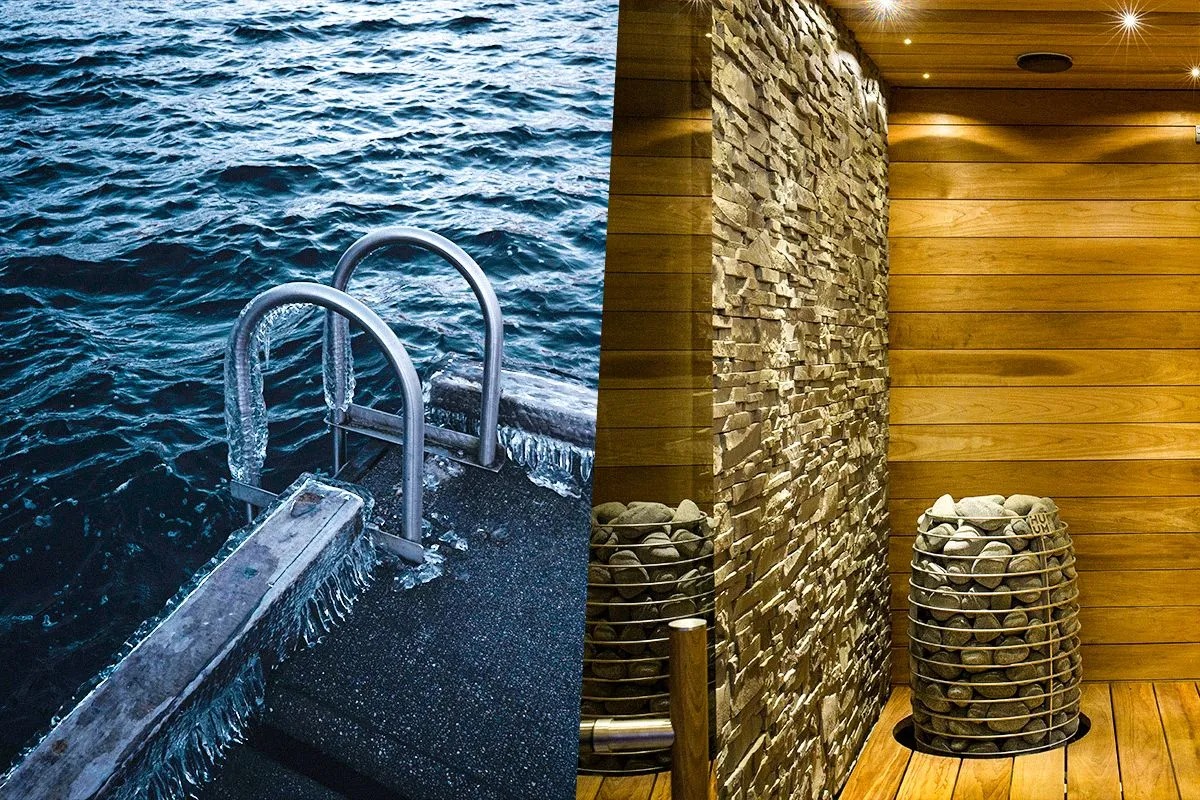
Cold vs Heat Recovery
Cold exposure involves deliberate exposure to cold temperatures, such as ice baths, cold showers, or cryotherapy, aimed at triggering physiological responses including decreased inflammation and hormonal shifts. Heat therapy, conversely, employs elevated temperatures through saunas, steam baths, or hot tubs to encourage relaxation, better blood flow, and cellular repair.
For instance, cryotherapy sessions at brands like CryoScience often last 2-3 minutes at temperatures below -100°C, aiming to stimulate recovery. Conversely, infrared sauna sessions from companies such as Sunlighten typically range 20-40 minutes at 40-60°C, promoting muscle relaxation and detoxification.
Studies reveal cold water immersion can acutely reduce cortisol by up to 20% after exercise-induced stress, while heat therapy shows a complex interaction, sometimes initially raising cortisol before facilitating recovery. The differing responses depend on exposure duration, individual physiology, and context of stress or physical exertion.
Cortisol Recovery Issues
Many individuals use cold or heat therapies without understanding their distinct impacts on cortisol, leading to suboptimal recovery or worsened stress response. Overexposure to cold can trigger excessive cortisol release as a survival response rather than reduction, especially without gradual adaptation.
On the flip side, prolonged heat exposure, such as extended sauna use beyond recommended times, may elevate cortisol chronicall, increasing fatigue and disrupting sleep patterns. Ignoring the timing of therapy relative to stress events (exercise, mental stress) often leads to unintended cortisol spikes.
Without tailored application, these therapies can aggravate rather than mitigate stress. For example, endurance athletes using repeated ice baths immediately after moderate training sometimes report increased stiffness and delayed muscle repair, indicating a cortisol imbalance. In corporate wellness settings, indiscriminate sauna use has occasionally led to decreased productivity due to cortisol-related fatigue.
Cortisol Solutions
1. Cold Exposure Protocols
What to do: Adopt brief, controlled sessions such as 2-3 minutes at 10-15°C for cold showers or 2-4 minutes under -110°C in cryotherapy, with gradual acclimatization over weeks.
Why it works: Short, cold impulses trigger a drop in cortisol by activating parasympathetic nervous system pathways without overwhelming the adrenal response.
Practice example: The Wim Hof Method promotes timed cold exposure paired with breathing exercises to amplify cortisol regulation, validated in small studies showing 15-20% cortisol reductions post-session.
Tools: Use platforms like CryoScience or local cryotherapy centers with certified technicians to ensure safe exposures; cold plunge tubs like the Renu Therapy Pro also offer structured immersion.
2. Heat Therapy Sessions
What to do: Utilize infrared saunas or traditional steam rooms for 20-30 minutes at moderate temperatures (40-60°C), ideally 3-4 times weekly.
Why it works: Heat initially stresses the body, stimulating heat shock proteins and improved circulatory adaptation that eventually lowers basal cortisol levels and supports recovery.
Practice example: Professional athletes, such as those using Sunlighten sauna systems, report decreased post-training soreness and cortisol normalization within days of consistent heat sessions.
Tools: Infrared or traditional sauna rentals or home units, with brands like Clearlight offering medically cleared models designed for safe cortisol recovery.
3. Timing and Combination
Optimal cortisol recovery often comes from strategically combining cold and heat exposure separated by rest. For example, a 20-minute sauna session followed by a brief ice bath can synergistically lower cortisol better than either therapy alone, as suggested by emerging sports physiology research.
Recovery Case Studies
Case 1: Athletic Performance Boost at Peak Sports Clinic
Problem: Endurance athletes reported persistent elevated cortisol and poor sleep following intense training cycles.
Intervention: Implemented 3 weekly 20-minute infrared sauna sessions combined with cryotherapy twice weekly for 4 weeks.
Result: Average cortisol levels dropped 18% (measured via salivary assays), with subjective reports of improved sleep quality and faster muscle recovery.
Case 2: Corporate Wellness Program at TechNova Inc.
Problem: Employees exhibited chronic stress symptoms and elevated cortisol due to high workload and irregular breaks.
Intervention: Introduced brief accessible cold showers plus weekly heat therapy lounges hosted onsite, with wellness coaching.
Result: 25% reduction in average cortisol levels over 8 weeks, 30% fewer reported stress-related absentee days, and improved overall job satisfaction.
Cold is only half the comparison — if you want the deeper mechanics, how cold plunges and ice baths actually affect the body is worth understanding before building a protocol around it.
Comparison Table
| Aspect | Cold Exposure | Heat Therapy |
|---|---|---|
| Duration & Temp | 2-5 min / 0 to -110°C | 15-40 min / 40 to 60°C |
| Cortisol Impact | Immediate drop; long-term reduction with adaptation. | Initial rise, then consistent basal reduction. |
| Best For | Inflammation & alertness | Relaxation & circulation |
| Main Risks | Excessive stress spikes | Dehydration & fatigue |
Common Mistakes
- Overusing cold exposure: Avoid ice baths longer than 10 minutes without supervision; build tolerance gradually to prevent cortisol spikes.
- Skipping hydration: Both therapies increase fluid loss; drink water before and after to avoid cortisol-raising dehydration.
- Poor timing: Avoid cold immediately after heavy lifting to prevent reduced muscle adaptation; use heat if soreness is significant.
- Ignoring individual response: Track personal cortisol via testing; not all respond the same to heat/cold.
- Inconsistent application: Regular sessions are needed for hormonal regulation; sporadic use diminishes benefits.
FAQ
Does cold exposure lower cortisol levels?
Brief and controlled cold exposure can reduce cortisol levels by activating the parasympathetic nervous system, but prolonged or extreme cold without adaptation may increase cortisol.
How does heat therapy influence cortisol?
Heat therapy initially raises cortisol as a stress response, but consistent use promotes cortisol balance, improves recovery, and reduces chronic stress.
Can combining cold and heat improve cortisol recovery?
Yes, alternating heat and cold exposures spaced with adequate rest synergistically supports cortisol regulation and enhances stress resilience.
How often should I use these therapies for cortisol benefits?
Typically, 3-4 sessions per week for each modality are recommended, adjusting based on individual tolerance and goals.
Are there risks to self-administering cold or heat therapy?
Yes, overexposure can cause adverse effects including cortisol spikes, dehydration, and cardiovascular strain; professional guidance is advised for beginners.
Author's Insight
Having worked with athletes and clients managing stress-related disorders, I have seen firsthand how fine-tuning cold and heat therapy regimens can dramatically improve cortisol recovery. It’s vital to avoid a one-size-fits-all approach; personalization based on cortisol testing and lifestyle is key. In practice, short cold exposure followed by moderate heat sessions creates a powerful recovery synergy when timed correctly. My advice is to start slow, track physiological responses, and use certified products or centers for safety and efficacy.
Summary
Cold exposure and heat therapy offer distinct but complementary benefits in cortisol recovery. Controlled cold sessions quickly reduce cortisol and inflammation, while heat therapy supports longer-term hormonal balance and relaxation. Avoid overuse and poor timing to prevent counterproductive stress responses. Structured protocols incorporating both methods, supported by reliable brands like CryoScience and Sunlighten, can optimize recovery and stress resilience. Personalization, hydration, and consistency are crucial for maximum results.