Heat After Exercise
Heat exposure after exercise means continuing to be in a hot environment or applying heat soon after finishing training. Common examples include walking from a gym into a hot parking lot, taking a hot shower immediately after a run, sitting in a sauna right after lifting, or working outdoors in warm conditions after practice. The body is still recovering from exercise, so heat can interact with ongoing changes in heart rate, blood flow, sweating, and fluid balance.
During exercise, the body shifts blood toward the skin to help dump heat. After exercise stops, core temperature often stays elevated for a while, and sweating may continue as the body cools. If the surrounding air is hot and humid, or if heat is applied directly, cooling slows down, which can raise the risk of heat illness in susceptible people.
Evidence on “heat after exercise” is mixed because studies vary in heat intensity, duration, hydration status, fitness level, and whether the exposure is passive (hot room/sauna) or active (moving in heat). The most consistent message across research is that heat exposure after exercise can be safe for many healthy people under moderate conditions, but it becomes risky when cooling is impaired, dehydration accumulates, or warning signs are ignored.
Common Missteps And Risks
A frequent mistake is treating the post-exercise period as “recovery complete.” Core temperature and cardiovascular strain can remain elevated after training, especially after long or intense sessions. If someone then enters a hot environment, the body may struggle to shed heat because both internal heat production and the ability to cool through skin blood flow and sweating are still in flux.
Another misstep is relying on thirst alone. People often drink less than they need after exercise, particularly when they feel “done” and stop tracking intake. Mild dehydration can reduce sweat output and impair cooling, which increases the chance of overheating. This risk is higher when exercise was prolonged, when sweat losses were high, or when access to fluids is limited after training.
Heat exposure can also interact with electrolyte balance. Sweating removes sodium, and repeated heat exposure without adequate intake can contribute to symptoms such as headache, nausea, and weakness. The exact threshold for harm varies by individual and conditions, and evidence does not support a single universal intake target for everyone.
Biologically, the main pathways involve heat storage and heat dissipation. Heat storage rises when the body’s heat gain exceeds heat loss. Heat loss depends on skin blood flow, sweating, and the environment’s ability to move heat away from the skin.
Safer Timing And Cooling
Choose A Cooling Window
What to do: Plan a cool-down period before any hot environment. A practical approach is to finish exercise and spend time in a shaded or air-conditioned area while gradually lowering intensity. If you want to use a sauna or hot shower, delay it until you feel fully cooled and your breathing and heart rate have settled to near-resting levels.
Why it works: Cooling after exercise relies on ongoing heat dissipation. Waiting reduces the overlap between elevated core temperature and added environmental heat. This lowers heat storage and gives sweating a chance to complete the cooling process.
What it looks like in practice: After a workout, walk or do light movement for several minutes, then sit in a cooler area. If you still feel warm and sweaty, postpone sauna or hot water. If you feel chilled after cooling, that can be a sign you cooled too aggressively; in that case, return to a comfortable temperature rather than seeking more heat.
Relevant tools or methods: Use simple markers such as perceived exertion, stable breathing, and the return of normal skin dryness. Wearables can help track heart rate trends, but they are not perfect for core temperature.
Hydrate With Context
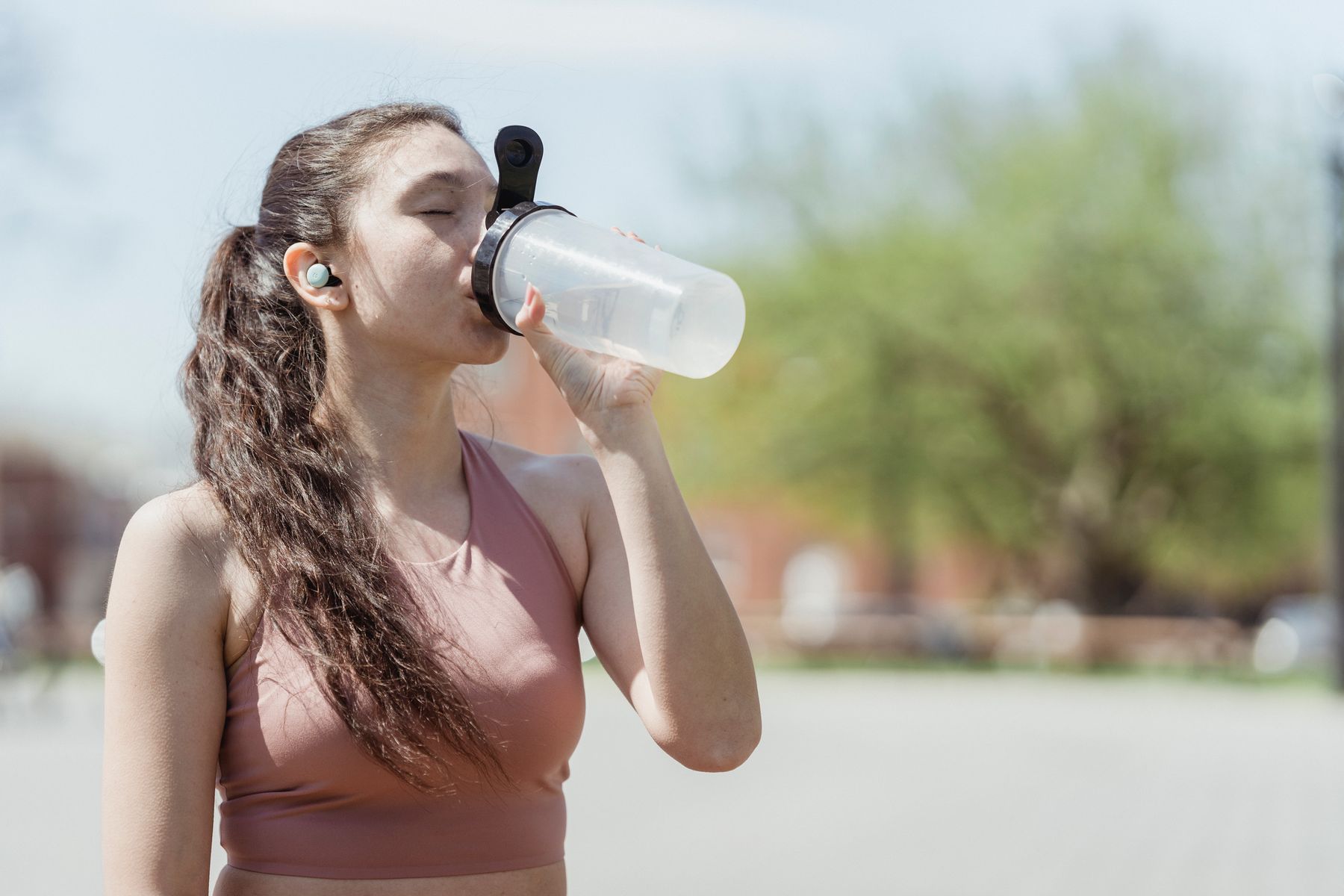
What to do: Drink fluids after exercise, and match intake to sweat losses when possible. If you know you sweat heavily, you may need more than a quick drink. Consider including electrolytes if the session was long, very sweaty, or followed by continued heat exposure.
Why it works: Adequate hydration supports sweating and skin blood flow, which are central to cooling. Electrolytes help maintain fluid distribution and may reduce symptoms related to sodium loss, though evidence does not define one electrolyte dose that fits everyone.
What it looks like in practice: For shorter sessions in mild weather, water may be enough for many people. For longer endurance sessions, hot conditions, or repeated heat exposure, an oral rehydration solution or sports drink can be reasonable. Avoid “chugging” large volumes at once; spreading intake over time is generally easier on the stomach.
Relevant tools or methods: A practical method is to weigh before and after exercise (without heavy clothing) to estimate sweat loss. A rough rule used in sports settings is that 1 kg of body weight loss approximates 1 liter of fluid loss, but this method has limitations because urine output and fluid shifts can vary.
Use Heat Sources Cautiously
What to do: If you use hot showers, hot tubs, or saunas, keep sessions short and avoid very high temperatures right after training. Start at a lower temperature or shorter duration, then stop if you feel unwell. Do not combine heat exposure with alcohol.
Why it works: Heat sources add thermal load. Short, moderate exposures reduce the chance that added heat overwhelms the body’s cooling capacity. Stopping early prevents progression from discomfort to heat illness.
What it looks like in practice: Instead of entering a very hot sauna immediately after a hard workout, wait until you are no longer sweating heavily and your heart rate has settled. For hot showers, use warm rather than scalding water and keep the session brief. For hot tubs, be cautious because water can limit evaporative cooling and may increase cardiovascular strain.
Relevant tools or methods: Use a timer and set a maximum duration before you start. Monitor how you feel: dizziness, nausea, unusual headache, or confusion are stop signals.
Know When To Stop
What to do: Treat symptoms as a reason to leave the heat and cool down. Seek urgent medical care if symptoms suggest heat stroke, such as confusion, fainting, seizures, or very high core temperature with altered behavior.
Why it works: Heat illness can progress when exposure continues. Early removal from heat and cooling reduces ongoing heat storage and supports recovery.
What it looks like in practice: If you feel lightheaded, nauseated, or unusually weak after heat exposure, stop the session, move to a cooler place, and sip fluids if you can. If symptoms worsen or do not improve quickly, get medical help.
Relevant tools or methods: Core temperature measurement is not available to most people, so symptom-based decision-making matters. If you have access to a thermometer, follow manufacturer guidance and interpret readings cautiously.
Educational Case Examples
Example 1: A 28-year-old finishes a 60-minute outdoor run in warm weather and immediately enters a hot shower at a high temperature. They notice persistent dizziness and a pounding headache during the shower. In this scenario, the overlap between post-exercise heat and added heat likely impaired cooling. A safer approach would have been to cool in a shaded area first, drink fluids, and use warm water for a shorter time while watching for symptoms.
Example 2: A 45-year-old attends a gym session with heavy sweating, then sits in a sauna for 20 minutes without drinking afterward. They feel weak and nauseated near the end of the session and develop muscle cramps afterward. This pattern fits dehydration and electrolyte imbalance risk during heat exposure. A safer plan would include post-workout hydration, delaying sauna until cooling is complete, and using shorter sessions with symptom monitoring.
Heat Exposure Checklist
| Situation | Lower Risk | Higher Risk | Stop If |
|---|---|---|---|
| Hot shower after training | Warm water, short duration, you feel cooled | Very hot water, long duration, still sweating heavily | Dizziness, nausea, faint feeling, worsening headache |
| Sauna after exercise | Delayed until heart rate settles, brief session, hydration | Immediate entry after hard workout, no fluids, high temperature | Confusion, vomiting, near-fainting, severe weakness |
| Outdoor heat after training | Shade breaks, fluids, light clothing | No shade, high humidity, continued heavy exertion | Heavy fatigue, cramps with weakness, altered behavior |
Step-by-step checklist for decision support:
- Confirm you are no longer breathing hard and your sweating has eased.
- Drink fluids after exercise, then reassess how you feel before entering heat.
- Choose a lower heat exposure first: shorter duration and lower temperature.
- Use a timer and set a maximum time before you start.
- Monitor symptoms continuously; leave heat at the first sign of dizziness, nausea, or confusion.
- Do not combine heat with alcohol or illness.
Common Mistakes
People often underestimate humidity. A warm room feels tolerable, but high humidity reduces evaporative cooling, which can make symptoms appear later and progress faster. Another mistake is “stacking” heat exposures, such as hot shower followed by sauna followed by staying in a hot car, which keeps the body in a high thermal load state.
Some people treat cramps as a reason to stay longer in heat. Cramps can occur with dehydration and electrolyte imbalance, and continuing exposure can worsen heat stress. Others ignore medication effects. Certain drugs can impair sweating or affect blood pressure regulation, raising risk during heat exposure.
Another practical error is skipping cool-down entirely. If someone stops abruptly and then immediately enters heat, the body has less time to transition from exercise heat dissipation to recovery cooling. A brief cool-down in a cooler area reduces the overlap between internal heat and external heat.
FAQ
Is A Hot Shower After Exercise Safe?
A hot shower can be safe for many people when the workout has cooled the body down and the water is warm rather than scalding. Risk rises when you enter very hot water immediately after intense exercise, especially if you are dehydrated or still sweating heavily.
Does Sauna After Training Help Recovery?
Evidence for recovery benefits from sauna after exercise is mixed and depends on timing, temperature, and the type of workout. Sauna adds heat load, so it is not a universal “recovery tool,” and it can increase risk if you are still overheated or under-hydrated.
How Long Should I Wait Before Heat Exposure?
There is no single universal wait time because recovery varies by workout intensity, duration, and environment. A practical approach is to wait until breathing and heart rate settle and sweating has eased, then start with a shorter, lower-heat exposure.
What Hydration Amount Is Enough?
Hydration needs vary with sweat rate and session length. A useful method is to estimate sweat loss by weighing before and after exercise, then replace fluid losses over time, while considering electrolytes for long or very sweaty sessions.
When Should I Seek Medical Help?
Seek urgent care for signs of heat stroke such as confusion, fainting, seizures, or severe symptoms that do not improve after leaving the heat. Persistent vomiting, worsening weakness, or severe headache after heat exposure also warrants prompt evaluation.
Author's Insight
Heat exposure after exercise sits at the intersection of two processes: the body’s ongoing cooling from exercise and the additional thermal load from the environment or heat source. The evidence base includes studies with different heat protocols, so results do not translate into one rule for everyone. The most consistent practical guidance is to reduce overlap by cooling first, hydrate in context, and stop exposure at early symptoms. People with higher baseline risk factors should treat post-exercise heat exposure as a higher-stakes decision and consider discussing their situation with a clinician.
Key Takeaways
- After exercise, the body often remains warm and still works to cool; adding heat can slow cooling and raise risk.
- Hydration and electrolyte balance affect sweating and cooling, especially after long or very sweaty sessions.
- Delay sauna or very hot showers until breathing and sweating ease, then start with shorter, lower-heat exposure.
- Leave the heat and seek urgent care for symptoms that suggest heat stroke or rapid worsening.