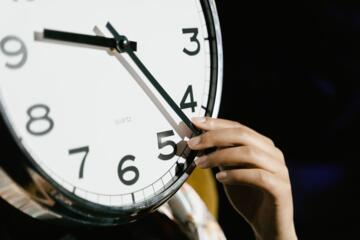
How Caffeine Affects Sleep
Caffeine is a stimulant that mainly works by blocking adenosine, a brain chemical that builds up during the day and promotes sleep pressure. When adenosine signaling is blocked, the brain stays more alert even if your body is ready for sleep.
Timing matters because caffeine lingers. In healthy adults, the half-life is often around 3–7 hours, meaning that if you drink caffeine at 3 p.m., roughly half of it may still be active by evening and a portion may remain overnight. People with slower caffeine metabolism can experience longer effects.
Late-day caffeine can affect both sleep onset and sleep depth. By reducing sleep pressure, it can delay falling asleep and can also shift sleep stages, which may reduce the amount of restorative deep sleep for some people. Even when total sleep time stays similar, next-day alertness can worsen if sleep quality drops.
Practical examples include an afternoon coffee that seems to “wear off” but still leads to a longer time to fall asleep, or an energy drink taken after work that results in more awakenings during the night. Another common scenario is caffeine used to compensate for a short sleep the previous night, which can create a cycle of delayed bedtime and persistent daytime fatigue.
Common Sleep Problems
Many people underestimate how long caffeine effects last because they focus on when they feel “wired.” Subjective alertness can return to baseline while adenosine signaling remains disrupted, so sleep onset can still be delayed.
A frequent mistake is using a fixed cutoff time without considering individual sensitivity. Caffeine metabolism varies by genetics, liver enzyme activity, smoking status, pregnancy, and certain medications. Two people can drink the same amount at the same time and experience different sleep outcomes.
Another issue is hidden caffeine sources. Tea, cola, chocolate, pre-workout supplements, and some headache products can add caffeine later than expected. “Decaf” coffee still contains caffeine, and the amount varies by brand and preparation.
Late caffeine can also interact with stress and circadian timing. If you already have elevated evening arousal, caffeine can amplify the difficulty of downshifting into sleep. For people with insomnia, caffeine can worsen the conditioned pattern of “bedtime = alertness,” making it harder to break the cycle.
Biologically, blocking adenosine increases neuronal activity and can raise sympathetic arousal. That combination can delay sleep initiation and contribute to lighter sleep or more fragmented sleep in some individuals.
Cutoff Strategies that Work
Pick a personal cutoff window
Start by choosing a conservative cutoff time and then adjust based on your sleep response. A common approach is to stop caffeine 6–8 hours before bedtime, since caffeine half-life often falls in the 3–7 hour range. If you go to bed at 11 p.m., that means stopping caffeine between 3 and 5 p.m., depending on your sensitivity.
In practice, you can test one change at a time for about a week. If you notice faster sleep onset and fewer awakenings, your cutoff is likely closer to your needs. If nothing changes, the issue may be timing, dose, or another sleep driver.
Tools that help include a bedtime log and a simple sleep tracker, but focus on trends like time to fall asleep and number of awakenings rather than a single night.
Use dose awareness, not just timing
Caffeine dose influences how strongly it affects sleep. Many beverages contain more caffeine than people assume: a typical 8-ounce brewed coffee can range roughly from 80–120 mg, while some energy drinks can contain 80 mg or more per serving. Even moderate doses can matter when taken late.
To apply this, reduce the dose rather than only shifting the time. For example, if you usually drink a full serving after work, try half a serving and keep the same timing for a few nights to see whether sleep improves.
Reading labels and measuring portions are practical methods. If you use supplements, check the caffeine amount per serving and watch for multiple ingredients that may also be stimulants.
Switch to lower-caffeine options
If you want a late beverage, choose one with less caffeine and a smaller dose. Decaf coffee and some teas still contain caffeine, but the amount is usually lower than regular coffee. The goal is to reduce the adenosine blockade during the window when you want sleep to start.
In practice, you can replace an afternoon coffee with decaf or a caffeine-free option such as herbal tea that does not contain caffeine. Keep the serving size consistent so you can interpret your sleep changes.
Be cautious with “energy” teas or blends labeled as stimulating, since they may include caffeine or other stimulants.
Plan around your metabolism
Some factors slow caffeine clearance, which extends sleep disruption. Pregnancy, certain liver conditions, and some medications can increase caffeine half-life. Smoking can also affect caffeine metabolism, and people who quit smoking may notice stronger caffeine effects for a period.
To apply this, use a longer cutoff if you fall into a higher-sensitivity group or if you notice that caffeine “hangs on” longer than expected. If you are unsure, a conservative cutoff and dose reduction are safer than relying on a short cutoff.
If you take medications, check whether they interact with caffeine metabolism through your clinician or pharmacist, since the combined effect can change how long caffeine lasts.
Track sleep onset and awakenings
Sleep onset latency and nighttime awakenings are the most actionable indicators for late caffeine effects. A simple log can capture bedtime, estimated time to fall asleep, number of awakenings, and morning sleepiness.
Look for patterns over at least 5–7 nights after a change. If caffeine reduction improves sleep onset but not awakenings, the cause may be other factors such as alcohol, late meals, temperature, or stress.
Sleep trackers can help, but they sometimes misestimate sleep stages. Use them as a trend tool rather than a precise medical measurement.
Pair caffeine changes with evening wind-down
Caffeine reduction works best when evening arousal is also managed. A consistent wind-down routine lowers baseline alertness, making it easier for the brain to transition into sleep pressure.
Practical examples include dimming lights 1–2 hours before bed, reducing stimulating activities, and keeping the bedroom cool and dark. If you use screens, consider reducing brightness and avoiding content that increases mental arousal.
These steps do not “cancel out” caffeine, but they reduce competing signals that can keep you awake.
Educational Case Examples
Afternoon coffee and delayed sleep
A 34-year-old reports falling asleep around midnight on workdays, even when they feel tired. They drink a 12-ounce coffee at 4 p.m. and stop caffeine only after dinner. After switching to a half serving at 4 p.m. and stopping all caffeine by 11 a.m. for one week, they notice faster sleep onset and fewer late-night awakenings. The improvement aligns with reduced late-day adenosine blockade.
Energy drink after work
A 27-year-old uses an energy drink at 7 p.m. to recover from a late meeting. They fall asleep quickly on weekends but struggle on weekdays, suggesting a timing and dose mismatch with their schedule. They replace the energy drink with a caffeine-free alternative and keep the same bedtime routine for two weeks. They report fewer awakenings and less morning sleepiness, consistent with caffeine effects persisting into the night.
Checklist and Comparison
| Plan | What to do | Why it helps | What to watch |
|---|---|---|---|
| Conservative cutoff | Stop caffeine 6–8 hours before bed | Reduces adenosine blockade during sleep onset | Faster sleep onset, fewer awakenings |
| Dose reduction | Cut the late serving in half, keep timing | Lowers total caffeine exposure | Less “wired” feeling and improved sleep latency |
| Lower-caffeine swap | Use decaf or caffeine-free after a set time | Reduces late-night stimulant effect | Check labels; decaf still has caffeine |
| Personalize for sensitivity | Use a longer cutoff if caffeine lasts longer for you | Accounts for slower clearance | Persistent sleep disruption despite earlier cutoff |
Common Mistakes
People often keep caffeine timing the same while changing bedtime, which makes it harder to interpret results. If you shift bedtime later, the same caffeine schedule moves closer to sleep onset and can worsen insomnia.
Another mistake is assuming that “feeling sleepy” means caffeine is no longer affecting sleep. Adenosine blockade can still delay sleep initiation even when you feel tired.
Some people compensate for late caffeine by taking naps late in the day. Long or late naps can reduce sleep pressure at night, making it appear that caffeine is the only cause.
Using multiple caffeine sources at once is common. A coffee plus a chocolate snack plus a soda later can add up to a larger total dose than expected.
Finally, people may stop caffeine abruptly without planning for withdrawal. Withdrawal can include headache and fatigue for a few days, which can temporarily worsen sleep and daytime functioning even if caffeine is the main driver.
FAQ
How many hours before bed should I stop caffeine?
A conservative starting point is 6–8 hours before bedtime, since caffeine half-life often falls in the 3–7 hour range. Some people need a longer window if they metabolize caffeine slowly or notice lingering effects.
Does decaf coffee still affect sleep?
Decaf contains some caffeine, and the amount varies by product. If you are sensitive to caffeine, decaf taken late can still delay sleep onset or worsen sleep quality.
Why do I feel tired but still can’t fall asleep after caffeine?
Caffeine can block adenosine, which builds sleep pressure during the day. You may feel sleepy from other factors, but the brain can remain alert enough to delay sleep initiation.
Can caffeine affect sleep even if I sleep the same number of hours?
Yes. Sleep disruption can show up as longer time to fall asleep, more awakenings, or changes in sleep stages, which can reduce next-day alertness even when total sleep time looks similar.
What if I need caffeine for work and can’t change my schedule?
You can reduce dose, switch to lower-caffeine options, and keep caffeine away from the last several hours before bed. Tracking sleep onset and awakenings for a week helps you identify whether the remaining caffeine still affects your sleep.
Author's Insight
Caffeine’s sleep effects come largely from adenosine blockade, and that mechanism persists for hours after the last dose. Because caffeine half-life varies across individuals, a single universal cutoff time rarely fits everyone. The most practical approach is to adjust timing and dose while tracking sleep onset latency and nighttime awakenings over several nights.
If sleep problems persist despite reducing late caffeine, other factors such as late meals, alcohol, irregular schedules, stress, or underlying sleep disorders may be contributing. In that situation, discussing symptoms with a clinician can help clarify next steps.
Final Thoughts
Late caffeine can delay sleep onset and worsen sleep quality by blocking adenosine, with effects that often last 6–8 hours or longer depending on metabolism. Start with a conservative cutoff, reduce dose if needed, and track sleep onset and awakenings for at least a week to judge your response.
These changes can improve sleep for many people, but they do not address every cause of insomnia. If you have persistent trouble sleeping, loud snoring with breathing pauses, severe daytime sleepiness, or symptoms that last more than a few weeks, seek professional medical advice.