Calculating A Six-Hour Cutoff
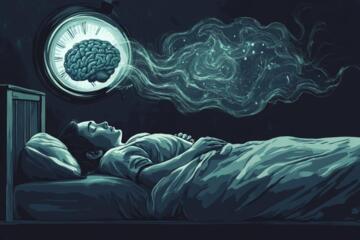
Caffeine is absorbed from the gut and then spreads through the body, including the brain, where it blocks adenosine receptors. Adenosine is one of the signals that builds sleep pressure; blocking it can delay sleep onset and reduce perceived sleep depth. Because caffeine levels fall gradually, the timing of your last dose matters even if you feel “fine” before bed.
A six-hour cutoff means stopping caffeine about six hours before your planned bedtime. For many adults, this reduces the chance that caffeine will still be high enough to meaningfully interfere with sleep. The cutoff is not a universal rule: caffeine metabolism varies by genetics, liver enzyme activity, smoking status, pregnancy, age, and certain medications. Still, six hours is a practical planning point because caffeine’s average half-life in adults is often around 4 to 6 hours, meaning a meaningful fraction can remain after bedtime if you drink late.
Example: if you plan to sleep at 11:00 p.m., a six-hour cutoff suggests no caffeine after 5:00 p.m. If you work late and your bedtime shifts to 1:00 a.m., the same cutoff moves to 7:00 p.m. This approach is useful when you want a consistent rule that fits real schedules rather than relying on “how you feel” that evening.
Common Timing Mistakes
Many people underestimate how long caffeine can affect sleep because they notice alertness changes sooner than sleep changes. Caffeine can delay the start of sleep even when you do not feel jittery. It can also worsen sleep quality by increasing nighttime awakenings for some people, which may show up as next-day fatigue despite normal time in bed.
A frequent mistake is using the “last sip” rule without accounting for caffeine in mixed drinks and foods. Coffee, tea, energy drinks, and pre-workout supplements vary widely in caffeine content, and some products include caffeine plus other stimulants. Chocolate and certain medications can also contribute caffeine, and “decaf” is not always caffeine-free.
Another mistake is assuming that a smaller dose late in the day is harmless. Even moderate doses can matter for sensitive individuals. The biological mechanism is the same: adenosine blockade persists while caffeine remains in the bloodstream. If you are already close to your personal threshold for sleep disruption, a late dose can tip you into delayed sleep onset.
People also misjudge timing when they have irregular sleep schedules. If you shift bedtime later on weekends, caffeine timing that worked on weekdays may no longer protect sleep. Jet lag and shift work add another layer because circadian timing changes how quickly you fall asleep and how your body responds to stimulants.
Consequences of late caffeine can include difficulty falling asleep, lighter sleep, more awakenings, and next-day sleepiness that leads to compensatory behaviors like more caffeine the next day. Over time, this can create a cycle where caffeine becomes both the cause and the attempted fix for fatigue.
How To Set Your Cutoff
Start With Your Bedtime
Pick a realistic target bedtime for the next few days, not the “ideal” bedtime you hope to reach. Count back six hours from that time to set your last caffeine cutoff. If you plan to sleep at 12:30 a.m., the cutoff is 6:30 p.m. If you wake up very early and feel sleep-deprived, consider using the bedtime you actually follow, because caffeine effects track with your sleep timing.
In practice, this means setting a personal rule for your household: for example, “no coffee after 6:30 p.m.” rather than “no coffee after dinner,” since dinner times vary. A simple phone reminder can reduce decision fatigue on busy evenings.
Adjust For Sensitivity And Dose
Use your experience to refine the rule. If you consistently fall asleep easily after stopping caffeine six hours before bed, you may be close to your safe zone. If you still struggle, shorten the cutoff by 1 to 2 hours for a trial period. If you feel no sleep impact even with later caffeine, you may tolerate a longer window, but this is harder to verify without tracking sleep.
Consider dose and source. A small cup of coffee can contain less caffeine than a large mug, and energy drinks can contain caffeine amounts comparable to multiple cups of coffee. If you want a more controlled approach, keep the caffeine source and dose consistent while you test timing changes, so you can attribute effects to timing rather than to changing caffeine strength.
Tools that help include caffeine tracking apps or a written log of the time and estimated caffeine amount. Many people find it easier to track “time since last caffeine” than to track exact milligrams, but if you know the caffeine content on labels, you can make the log more precise.
Account For Half-Life Differences
A six-hour cutoff is based on the idea that caffeine levels decline over time, often with a half-life around 4 to 6 hours in adults. Half-life means that after one half-life, about half of the caffeine remains; after two half-lives, about a quarter remains. If your half-life is longer, more caffeine can remain at bedtime even with a six-hour cutoff.
Factors that can lengthen caffeine’s effects include pregnancy, liver enzyme differences, and some medications. Smoking can shorten caffeine’s half-life in some people, while older age can lengthen it. Because these factors vary, the same cutoff can work for one person and not another.
Practical adjustment: if you know you have a longer caffeine half-life or you notice that caffeine affects you for many hours, use a more conservative cutoff such as 7 to 8 hours. If you are unsure, start with six hours and adjust based on sleep outcomes over several nights.
Plan For “Hidden” Caffeine
Build your cutoff around the caffeine sources you actually consume. Tea can contain caffeine, and some herbal teas contain little caffeine while others contain meaningful amounts depending on the plant. Energy drinks and pre-workout supplements can deliver caffeine quickly and in higher doses than expected.
Check labels for caffeine content per serving and note serving size. If a product lists caffeine per 8 ounces, but you drink 16 ounces, your dose doubles. Also check for “caffeine” listed under ingredients even when the product is marketed for focus or performance.
In practice, you can reduce surprises by choosing caffeine-free alternatives after your cutoff time and keeping a consistent “evening routine” that does not include caffeine-containing snacks or beverages.
Educational Case Examples
Scenario 1: A 30-year-old who usually sleeps at 10:30 p.m. stops coffee at 4:30 p.m. for a week. They fall asleep faster than before and report fewer awakenings. When they shift the cutoff to 6:00 p.m. on weekend nights, they notice delayed sleep onset. The pattern suggests that their personal threshold is close to the six-hour window and that timing changes matter more than the total number of caffeine drinks.
Scenario 2: A 45-year-old who drinks tea in the afternoon sets a cutoff at 6:00 p.m. but still struggles with sleep. They later realize they were also having a chocolate dessert at 8:00 p.m. and a “decaf” beverage that still contained caffeine. After removing late caffeine-containing foods and beverages, their sleep improves without changing the tea timing. The lesson is that the cutoff must cover all caffeine sources, not only coffee.
Six-Hour Cutoff Checklist
| Decision Point | What To Do | What You Should Expect | If It Doesn’t Work |
|---|---|---|---|
| Set a baseline | Choose a consistent bedtime for the next week and stop caffeine 6 hours before it. | Sleep onset may improve within several nights if caffeine was the main driver. | Move the cutoff earlier by 1 to 2 hours and repeat. |
| Track all sources | Include tea, chocolate, energy drinks, and any medication with caffeine. | Fewer “surprise” late doses reduce sleep disruption. | Review labels and remove caffeine-containing foods after the cutoff. |
| Control dose | Keep the same beverage and approximate dose while you test timing. | You can attribute changes to timing rather than dose swings. | If dose varies, timing conclusions become unreliable. |
| Adjust for sensitivity | If you feel caffeine effects late, use a longer cutoff (7–8 hours). | Less caffeine remains at bedtime for longer-half-life individuals. | If sleep remains poor, timing may not be the only factor. |
Common Mistakes
People often set the cutoff based on coffee time but ignore caffeine in tea, soda, chocolate, and some supplements. Another common error is changing multiple variables at once, such as switching to a different coffee strength while also moving the cutoff, which makes it hard to learn what actually helped.
Some people treat caffeine timing as a one-night experiment. Sleep disruption can be influenced by stress, alcohol, late meals, and screen exposure, so a single night can mislead. A short log over several nights gives a clearer signal.
Another mistake is assuming tolerance eliminates sleep effects. Tolerance can reduce the feeling of stimulation, but caffeine can still interfere with sleep architecture for some people. If you rely on caffeine to function, you may not notice the early warning signs until sleep quality declines.
Finally, people sometimes use “decaf” as a free pass. Decaf products still contain caffeine in many cases, and the remaining amount can matter if you are sensitive or if you consume multiple decaf items late.
FAQ
Is Six Hours Before Bed Always Enough?
Six hours works for many adults because caffeine levels often decline over several hours, but it is not universal. Longer caffeine half-life, higher doses, and hidden caffeine sources can mean caffeine still affects sleep at bedtime.
Does Tea Affect Sleep Like Coffee?
Tea contains caffeine, and the amount varies by type and brewing. If you drink tea after your cutoff time, it can still delay sleep onset or worsen sleep quality for caffeine-sensitive people.
How Much Caffeine Is Too Much Late?
There is no single late-day “safe” amount for everyone. Dose and individual sensitivity both matter, so the practical approach is to test timing changes while keeping the dose and source consistent.
Does Decaf Mean No Caffeine?
Decaf usually contains less caffeine than regular versions, but it is not always caffeine-free. Checking the label for caffeine per serving helps you decide whether it fits your cutoff plan.
What If My Bedtime Changes Week To Week?
Recalculate the cutoff each time your bedtime shifts. If your schedule is unpredictable, using a longer cutoff window (such as 7–8 hours) can reduce the risk of late caffeine on nights when you go to bed later.
Author's Insight
The six-hour cutoff is a practical rule built around how caffeine levels decline over time. Because caffeine half-life varies across individuals and because caffeine sources differ in dose, the same cutoff can produce different outcomes. The most reliable way to use the cutoff is to pair it with a short log of caffeine timing and sleep onset over several nights while keeping dose and beverage sources consistent. If sleep disruption persists despite a conservative cutoff and removal of hidden caffeine, timing may not be the main driver.
Key Takeaways
- Stop caffeine about six hours before your planned bedtime as a starting point, then adjust earlier if sleep still suffers.
- Cover all caffeine sources, including tea, chocolate, energy drinks, supplements, and some medications.
- Keep dose and beverage type consistent while you test timing, so you can interpret what changes helped.
- Use a longer cutoff if you notice caffeine effects late or if you have factors that can slow caffeine clearance.