Stress And Recovery
Stress affects recovery through multiple pathways that overlap: the nervous system changes how the body interprets threat, stress hormones shift immune signaling, and sleep disruption alters tissue repair. After a sprain, a viral illness, or a workout that causes muscle soreness, the body needs coordinated inflammation, cell repair, and remodeling. Stress can interfere with each phase, so the same injury or training stimulus may feel harder to recover from.
Practical examples include slower return of strength after a hard training block when work deadlines and poor sleep pile up, lingering soreness after a minor procedure when anxiety keeps sleep fragmented, and prolonged fatigue after illness when stress reduces appetite and regular movement. Stress does not “cancel” healing, but it can change the pace and the symptoms people notice during recovery.
Why People Recover Slower
Many people treat stress as a mental state separate from healing, then wonder why physical recovery lags. Stress changes physiology even when the person feels they are “coping.” The body can shift toward a threat response that prioritizes immediate survival over repair and rebuilding.
One mechanism involves stress hormones such as cortisol and catecholamines. These signals can alter immune cell trafficking and cytokine patterns, which affects how quickly inflammation resolves. Inflammation is not purely harmful; it helps clear damaged tissue and coordinate repair. When stress keeps inflammatory signaling elevated or delays its resolution, soreness and swelling can last longer.
Stress also changes sleep timing and depth. Sleep supports growth hormone release, protein synthesis, and metabolic regulation. Fragmented sleep reduces the quality of recovery signals, which can show up as slower muscle repair, higher perceived effort during daily activities, and greater sensitivity to pain.
Pain perception is another pathway. Stress can increase attention to bodily sensations and amplify pain signaling through the nervous system. That can make the same tissue injury feel more intense, which often leads to reduced movement. Reduced movement can then worsen stiffness, circulation, and conditioning, creating a feedback loop that prolongs recovery.
Real-world situations often combine stress with behaviors that further slow recovery: skipping meals, drinking more alcohol, using more caffeine late in the day, and avoiding light activity because symptoms feel worse. In those cases, stress is not the only factor, but it can be the driver that shifts daily routines away from recovery-friendly patterns.
What To Do About It
Lower Stress Load Daily
Reduce the stress load that repeatedly triggers threat responses. In practice, this means choosing a short, repeatable routine that fits your schedule rather than relying on occasional “big sessions.” Examples include 5–10 minutes of slow breathing (longer exhale than inhale), a brief guided relaxation audio, or a short walk after work that ends before you feel exhausted.
These approaches work by shifting autonomic balance and reducing physiological arousal, which can improve sleep onset and reduce pain amplification. The goal is not to eliminate stress, but to reduce the frequency and intensity of stress spikes that interfere with recovery phases.
What it looks like: if recovery is slow, try one daily practice for 7–14 days and track sleep onset time, nighttime awakenings, and next-day soreness. Many people notice changes in sleep first, then changes in pain sensitivity and energy.
Tools and methods: a phone timer for breathing sessions, a sleep diary, and a simple “stress spike log” noting time of day, trigger, and recovery symptoms afterward.
Realistic outcomes: improvements in sleep quality and perceived pain often appear within 1–2 weeks when routines are consistent, though tissue healing after injuries can still take longer depending on severity.
Protect Sleep For Repair
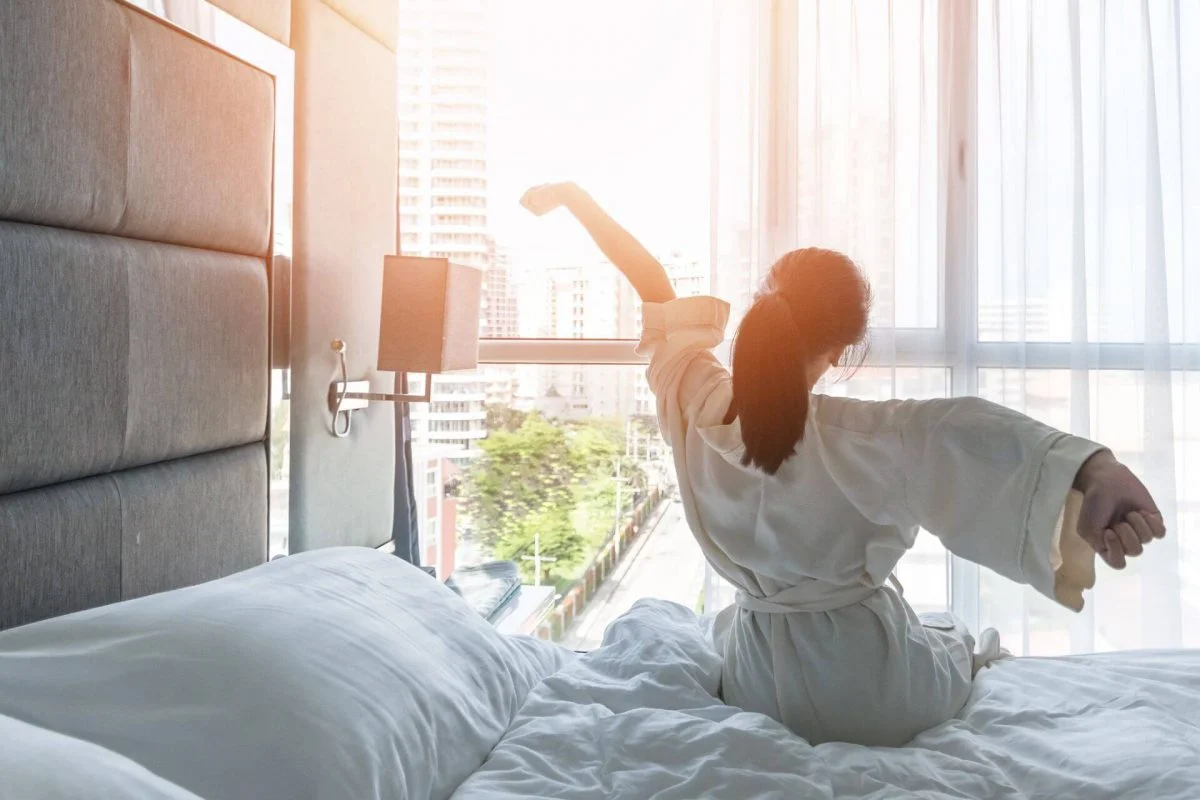
Prioritize sleep quality because it supports tissue repair and immune regulation. Stress commonly disrupts sleep through hyperarousal, worry loops, and irregular schedules. Practical steps include keeping a consistent wake time, reducing bright light exposure in the last hour before bed, and limiting caffeine after midday.
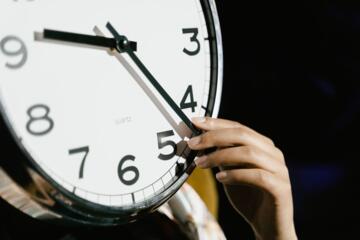
What it looks like in practice: if you usually sleep at varying times, set a target wake time and adjust bedtime gradually by 15–30 minutes every few days. If you wake in the night, avoid checking the clock repeatedly; instead, use a low-stimulation activity (dim light, quiet) until sleepiness returns.
Tools and methods: a sleep diary with bedtime, wake time, awakenings, and perceived restfulness; and a “wind-down cue” such as the same sequence of actions each night.
Relevant numbers: adults generally need about 7–9 hours of sleep, and even a 30–60 minute reduction can worsen next-day fatigue and pain sensitivity. If sleep is consistently below that range for weeks, recovery tends to slow further.
Match Activity To The Phase
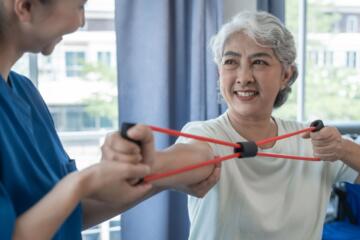
Use activity that supports circulation and mobility without provoking setbacks. Stress often pushes people into extremes: complete rest due to fear of pain, or intense training despite fatigue. Recovery benefits from a graded approach that respects symptom response.
What to do: during recovery, aim for light movement on most days, such as walking, gentle range-of-motion work, or low-impact cycling, then increase load only when symptoms settle. A common practical rule is to keep the activity challenging enough to feel like work, but not so intense that soreness or pain escalates and stays elevated into the next day.
What it looks like: after a sprain or a hard workout, you might start with short, easy sessions and gradually extend duration or resistance. If stress is high, you may need smaller progressions than usual because stress already raises perceived effort.
Tools and methods: a daily symptom rating (pain 0–10, stiffness 0–10, fatigue 0–10) and a log of activity duration. If pain or fatigue rises for more than 24–48 hours after a session, scale back the next attempt.
Realistic outcomes: graded activity can improve function and reduce stiffness within days to weeks, but full recovery depends on the underlying injury or illness and may take longer.
Case Examples
After Injury With Poor Sleep
A person sprains an ankle and returns to light activity, but work stress increases and sleep becomes fragmented. Over two weeks, swelling decreases, yet pain sensitivity remains high and walking feels harder than expected. The person notices that nights with more awakenings correlate with worse next-day pain ratings. After adopting a consistent wake time, reducing late caffeine, and using a brief evening relaxation routine, sleep becomes more consolidated and pain ratings drop gradually, while ankle range of motion improves with continued graded movement.
After Illness During Deadline Pressure
A person recovers from a viral illness and tries to resume exercise while deadlines intensify. Appetite drops and meals become irregular, while caffeine intake rises to compensate for fatigue. The person experiences persistent exhaustion and slower return of strength. When stress routines are adjusted—regular meal timing, earlier caffeine cutoff, and short daily walks—the person’s energy improves and training tolerance increases. The illness resolves on its own, but stress-related sleep disruption and reduced nutrition likely slowed the pace of rebuilding.
Recovery Checklist
| What To Check | If It’s Off Track | What To Try First | When To Get Help |
|---|---|---|---|
| Sleep | Falling asleep takes much longer, frequent awakenings, or total sleep under ~7 hours | Set a consistent wake time, reduce late caffeine, add a 20–30 minute wind-down routine | Severe insomnia, loud snoring with breathing pauses, or symptoms persisting beyond a few weeks |
| Pain Response | Pain spikes during activity and stays higher the next day | Reduce intensity or duration, switch to lower-impact movement, reassess after 48 hours | New numbness, worsening pain, inability to bear weight, or rapidly increasing swelling |
| Stress Spikes | Frequent spikes with racing thoughts and physical tension | Use a short daily downshift routine (breathing, relaxation, brief walk) at the same time each day | Panic symptoms, persistent severe anxiety, or inability to function day to day |
| Nutrition And Hydration | Skipping meals, low protein intake, or dehydration | Aim for regular meal timing and include protein at meals; drink to thirst and monitor urine color | Unintentional weight loss, persistent vomiting/diarrhea, or inability to eat due to symptoms |
Common Mistakes
One mistake is treating stress management as a one-time event. Recovery often depends on repeated daily regulation, because stress physiology changes across the day and affects sleep and immune signaling nightly.
Another mistake is using rest as the default response to pain. Complete inactivity can increase stiffness and reduce conditioning, which can worsen function and make pain feel more threatening. Graded, symptom-aware movement usually fits better than total avoidance.
People also underestimate sleep disruption. Even when total hours seem adequate, frequent awakenings and late-night screen exposure can reduce sleep quality and slow recovery signals.
Some people push training or rehabilitation harder to “catch up,” especially during deadlines. Stress already raises perceived effort; adding intensity can prolong soreness and delay return to baseline function.
Finally, many people ignore nutrition during recovery. Irregular meals and low protein intake can slow rebuilding of muscle and connective tissue, which can make stress feel worse because fatigue rises.
FAQ
How fast does stress affect recovery?
Stress can influence recovery within days through sleep disruption, changes in pain sensitivity, and altered immune signaling. Tissue healing after injuries still follows its own timeline, so symptoms may improve more slowly even when stress decreases.
Does stress make inflammation worse?
Stress can shift immune signaling and delay the normal resolution of inflammation. The direction and magnitude vary by person and context, but persistent stress commonly correlates with longer-lasting soreness or swelling.
Can anxiety slow healing after surgery?
Anxiety can affect recovery by increasing arousal, disrupting sleep, and changing pain perception, which can influence how much people move and how they manage rehabilitation. The surgical healing process also depends on the procedure and individual factors.
Is it better to rest or move when stressed?
Complete rest often increases stiffness and can worsen function. Symptom-aware, graded movement usually fits better, with reductions when pain or fatigue rises and stays elevated into the next day.
What should I track to know recovery is improving?
Track sleep duration and awakenings, daily pain and stiffness ratings, next-day response to activity, and basic routine factors like meal timing. A steady downward trend in pain sensitivity and improved function over 1–2 weeks often signals progress.
Author's Insight
Stress slows physical recovery through interacting systems: the nervous system increases threat signaling, stress hormones alter immune communication, and sleep disruption reduces repair-oriented biological processes. These effects show up as changes in pain sensitivity, fatigue, and the speed at which inflammation settles. Recovery is also shaped by behaviors that commonly accompany stress, such as reduced movement, irregular meals, and late caffeine. Evidence supports these pathways, but individual responses vary, so symptom tracking and gradual adjustments tend to be more reliable than relying on a single intervention.
Key Takeaways
- Stress can slow recovery by affecting immune signaling, sleep quality, and pain perception, not just “motivation.”
- Daily stress downshifts and consistent sleep timing often change recovery symptoms within 1–2 weeks.
- Use graded activity that matches symptoms; avoid both total rest and sudden intensity increases.
- Track sleep, pain/stiffness, and next-day response to activity to guide realistic adjustments.
- Seek medical advice for red-flag symptoms such as worsening pain, new numbness, inability to bear weight, or severe persistent insomnia.