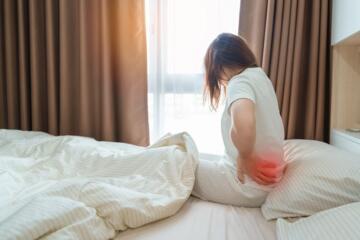
Recovery After A Long Day
Recovery is not a single event like “going to bed.” It is a sequence of changes in breathing, heart rate, muscle tension, attention, and sleep depth that happens over the evening and night. After a long day, many people carry stress physiology into the hours that should be for downshifting, which delays the body’s return to baseline. A useful way to judge recovery is to compare how you feel at three points: late afternoon, early evening, and the first hour after you lie down. If the gap between those points shrinks—less tension, fewer intrusive thoughts, easier breathing—you are moving in the right direction.
Physical recovery often shows up as reduced stiffness and a lower “effort to move” feeling. Mental recovery shows up as fewer loops of worry and a calmer ability to focus on one task or none at all. Sleep recovery shows up as faster sleep onset, fewer awakenings, and a morning that feels less like you were dragged out of bed. When recovery is incomplete, people commonly report persistent jaw clenching, restless legs, a tight chest sensation, or a mind that keeps scanning for threats.
One practical detail: if you track steps or workouts, compare your recovery to your workload rather than to an idealized day. On a day with 12,000 steps and a late meeting, your body may need more time to settle than on a day with 6,000 steps and a normal commute. That mismatch is where “I did everything right” frustration starts, because the body still has work to finish.
Common Recovery Mistakes
People often misread fatigue as a reason to push harder. That pattern can keep stress hormones elevated and prolong muscle guarding, especially after prolonged sitting, screen work, or emotionally demanding conversations. Another common mistake is treating recovery as entertainment that overrides the nervous system instead of calming it. Scrolling can keep attention fragmented, which delays the mental quiet that sleep depends on.
Recovery also depends on supporting technologies and routines, even when you do not notice them. Light exposure affects circadian signaling; caffeine timing affects sleep pressure; meal timing affects digestion comfort; and hydration affects headache risk. If you use a wearable, it may estimate sleep stages, but those estimates can be off by several categories depending on the device and how you wear it. I have seen people rely on a single “sleep score” from an app version like 3.2.1, then ignore that they woke up three times for bathroom trips.
Another dependency is pain sensitivity. If you have chronic neck or back issues, the same evening routine can feel restorative one day and aggravating the next, depending on how you sat during work. That is why recovery plans should include adjustments for posture, not only relaxation. When recovery fails repeatedly, it can also reflect medication effects, sleep apnea risk, or an underlying condition such as migraine or anxiety disorder.
Practical Recovery Steps
Downshift Your Nervous System
Start with a 10–20 minute downshift routine that reduces sympathetic activation. Options include slow breathing (for example, inhaling for about 4 seconds and exhaling for about 6 seconds), a warm shower, or a short walk at an easy pace. The goal is not to “feel perfect,” but to notice measurable changes: slower breathing, less muscle bracing, and fewer racing thoughts. If you use a phone timer, set it for 15 minutes; stopping mid-routine often leaves you still activated.
Some people benefit from progressive muscle relaxation, but the method must match your body. If you have shoulder pain, avoid aggressive stretching during the exercise. If you have reflux, a warm shower right before lying down can worsen symptoms for some people, so you may need to finish earlier. A mild frustration is common here: the first attempt rarely feels calming, which is why repeating the routine on multiple evenings matters more than one perfect session.
Recover Muscles With Gentle Reset
For tightness after sitting or repetitive work, use a short “mobility plus rest” sequence rather than long stretching. A practical example is 2–3 minutes of hip flexor and thoracic mobility, followed by 5 minutes of easy walking or standing breaks. Then add a rest period with a neutral posture, such as lying on your back with knees supported. If you track pain, aim for a sensation that stays in the mild range during movement and settles afterward.
Heat and cold can help depending on the tissue and your history. Heat often feels better for stiffness, while cold can reduce soreness after a workout. If you have neuropathy or reduced sensation, be cautious with temperature extremes. If you have a recent injury, follow clinician guidance on timing and intensity; “stretching through sharp pain” is not a recovery strategy.
Set Up Sleep Pressure
Sleep recovery depends on timing. Keep caffeine away from the late afternoon when possible; many people need a cutoff around 6–8 hours before bedtime, though sensitivity varies. Reduce bright light exposure in the last hour before bed, especially from screens held close to the face. If you use a smart display, lowering brightness and enabling a warm color temperature mode can reduce glare, but it does not replace darkness.
Meal timing matters too. A heavy meal right before lying down can increase awakenings and reflux discomfort, which fragments sleep. A common target is finishing dinner 2–3 hours before bed, then using a small snack only if hunger disrupts sleep. If you wake up repeatedly, check whether you are drinking too much in the evening or whether you are waking for pain, temperature, or bathroom needs.
Use Tracking Without Obsession
Wearables and sleep apps can help you notice patterns, but they should not become the main recovery plan. Use them to answer narrow questions: “Did my bedtime shift?” “Did my awakenings increase after late caffeine?” “Did my resting heart rate stay elevated after stressful days?” If you see a one-night dip, treat it as a data point, not a verdict.
When you do track, record context in plain language. A simple note like “late meeting, 2 coffees, ate at 9:15 pm” can explain a lot more than a single graph. If you use a device that reports respiratory rate or sleep stages, remember those are estimates derived from motion and skin contact, not direct medical measurements. That limitation is why recovery should be judged by how you feel and function the next day, not only by a score.
Case Examples For Real Life
Desk Work With Lingering Tension
Scenario: A person works at a desk from 9:00 am to 5:30 pm, then drives home and eats dinner around 8:30 pm. By 10:30 pm, they feel tight in the neck and shoulders and notice jaw clenching during scrolling. Recovery looks incomplete because the nervous system stays activated and the body never gets a posture reset.
Educational adjustment: They add two 3-minute standing breaks during the last hour of work, then do a 12-minute walk after dinner before screens. They also move dinner earlier by 30–60 minutes and switch to a warm shower at 9:45 pm instead of right before bed. After several evenings, they report fewer headaches and easier sleep onset, which suggests the routine reduced both muscle guarding and late-night discomfort.
Stress After A Late Meeting
Scenario: Another person has a late meeting that ends at 7:45 pm. They feel mentally “on” and keep checking messages, then lie down at 11:30 pm with racing thoughts. Recovery looks incomplete because attention remains engaged and the body does not downshift.
Educational adjustment: They set a message cutoff at 8:15 pm and replace the final screen session with a low-stimulation activity like reading paper pages. They practice slow exhalation breathing for 10 minutes after brushing teeth, which is a cue that the day is ending. Over a week, they notice fewer awakenings and less morning grogginess, though they still need to adjust if the meeting runs late again.
Recovery Checklist And Comparison
| Recovery Goal | What It Should Feel Like | Try This (Time) | Watch For |
|---|---|---|---|
| Nervous System Downshift | Slower breathing, less bracing, fewer mental loops | Breathing or warm shower (10–20 min) | Reflux flare, dizziness, anxiety spike |
| Muscle Reset | Less stiffness, smoother movement | Gentle mobility + rest (8–15 min) | Sharp pain, numbness, worsening symptoms |
| Sleep Readiness | Faster sleep onset, fewer awakenings | Dim light + caffeine cutoff (1–2 hr) | Late caffeine, heavy meals, screen glare |
| Pattern Awareness | Clearer cause-and-effect across days | Notes + limited metrics (2–3 min) | Overreacting to one-night data |
Step-by-step checklist for a typical evening: (1) pick one downshift method for 10–20 minutes, (2) do a short mobility reset if you feel stiffness, (3) reduce bright light and keep screens farther from the face, (4) finish dinner 2–3 hours before bed when possible, and (5) write a one-line note about caffeine, stress, and pain so you can compare tomorrow. If you only do one item, choose the downshift routine; it affects both mental and physical recovery.
Common Mistakes That Undermine Recovery
One mistake is using alcohol as a sleep aid. Alcohol can reduce the time to fall asleep for some people, but it often worsens sleep quality and increases awakenings later in the night. Another mistake is “catching up” on demanding work in bed, which trains the brain to associate the bed with effort and alertness. If you cannot sleep after a reasonable time, leaving the bed for a low-stimulation activity can help break the cycle.
People also overcorrect with extreme routines. A 45-minute stretch session after a long day can increase soreness and delay recovery if it triggers micro-irritation. Another error is ignoring pain signals. If you have chest pain, severe shortness of breath, fainting, or new neurological symptoms, recovery routines do not replace urgent medical evaluation.
Finally, some people treat tracking as a scoreboard. If your wearable shows a low sleep stage estimate, you may start chasing numbers instead of addressing drivers like late caffeine, late meals, or stress spillover. A mild frustration is common when the app says “restless,” yet the person feels calm; that mismatch happens because sensors estimate movement and physiology indirectly.
FAQ
How Long Should Recovery Take?
Recovery varies by workload and stress level, but many people notice meaningful changes within 30–90 minutes of downshifting and a clearer difference by the next morning. If you feel no improvement after consistent routines for 1–2 weeks, adjust the drivers like caffeine timing, meal timing, and posture breaks.
What Helps When I Feel Wired At Bedtime?
Use a predictable downshift routine that reduces attention demands: slow exhalation breathing for 10 minutes, a warm shower earlier in the evening, and a screen cutoff 30–60 minutes before bed. If thoughts keep looping, write a short “tomorrow list” on paper so your brain stops trying to store everything.
Is Stretching Enough For Evening Tightness?
Gentle mobility plus rest usually works better than long, intense stretching. Aim for mild discomfort only during movement and a calmer sensation afterward. If tightness includes numbness, sharp pain, or radiating symptoms, seek clinical guidance rather than stretching through it.
Can Late Caffeine Ruin Sleep Even If I Fall Asleep?
Yes. Caffeine can reduce sleep depth and increase awakenings even when sleep onset seems normal. Many people need a cutoff 6–8 hours before bedtime, but sensitivity varies by individual and dose.
When Should I Talk To A Clinician?
Consider medical advice if sleep problems persist beyond a few weeks, if you snore loudly with daytime sleepiness, if you have frequent headaches, or if pain disrupts daily function. Seek urgent care for chest pain, severe shortness of breath, fainting, or sudden neurological symptoms.
Author's Insight
Recovery after a long day is best treated as a set of measurable targets: calmer breathing, reduced muscle guarding, and improved sleep continuity. The most reliable routines tend to be repeatable and time-bound, which helps the nervous system learn that the day is ending. Wearables can support pattern recognition, but their sleep stage estimates are indirect and can mislead when used alone. If recovery fails repeatedly, the next step is to adjust drivers like caffeine timing, light exposure, meal timing, and posture breaks, then consider clinical evaluation for persistent symptoms.
Key Takeaways
- Recovery is a sequence: downshift first, then reset muscles, then set up sleep readiness.
- Judge progress by how you feel late evening and the next morning, not by a single sleep score.
- Common failures come from late caffeine, late meals, screen-driven attention, and long intense stretching.
- If symptoms persist or include red flags like chest pain or neurological changes, seek medical care rather than relying on routines.