Home Fitness Shift
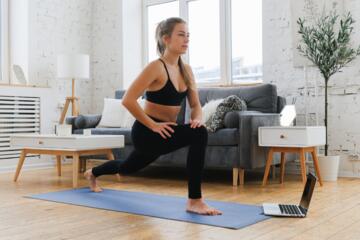
The traditional gym model is evolving into a decentralized, hybrid approach where the "garage gym" or "spare room studio" serves as the primary hub for daily movement. In my decade of consulting on residential fitness layouts, the most successful projects aren't those with the most chrome, but those with the smartest floor plans. A professional-grade setup can be achieved for less than the cost of a one-year premium membership at an equinox-style club.
From a practical standpoint, a home gym eliminates the "friction" of travel time, which is the number one cited reason for workout inconsistency. Consider a client who converted a 10x10 foot laundry nook into a kettlebell and yoga station; by spending $450 on quality basics, they saved over 100 hours of commuting time annually. Statistically, the ROI on home gym equipment is realized within 14 to 18 months when compared to average monthly dues of $60 to $120.
Data from the physical therapy sector suggests that accessible home equipment increases exercise adherence by 35%. However, the market is flooded with "infomercial" gear that ends up as clothes hangers. The goal is to invest in items that hold their resale value, such as cast iron or solid steel, which often retain 70% of their original price on secondary markets like Facebook Marketplace or OfferUp.
Obstacles & Pain Points
The most common failure in budget gym design is the "fragmented purchase" trap. Beginners often buy single-use machines—like a low-end treadmill or a dedicated leg extension bench—that occupy massive footprints while only serving one muscle group. This leads to a cluttered space that feels claustrophous, eventually killing the motivation to train there. Poor flooring choices also rank high on the list of mistakes; standard carpet or thin foam tiles do not protect the subfloor from 50-pound drops, leading to thousands in property damage.
Another significant pain point is the lack of environmental control. A garage that is too cold in winter or a basement that is too humid in summer will remain empty. Neglecting lighting and airflow is a psychological barrier; dim, stagnant rooms feel like chores rather than sanctuaries. Real-world scenarios often show users abandoning their home setups because they didn't account for the "vibe" or the logistics of moving heavy weights across delicate flooring.
Concrete Strategies
Prioritize Multi-Functional Structural Basics
Instead of five different machines, invest in a single high-quality Power Rack or a "Half Rack." Brands like Rogue Fitness (their Echo line) or Titan Fitness offer entry-level steel frames that allow for squats, bench presses, pull-ups, and even cable attachments. A rack is the literal and metaphorical anchor of your gym. By choosing a 2x3 or 3x3 steel gauge, you ensure the rack lasts a lifetime, effectively reducing your cost per session to pennies over time.
The Secondary Market Goldmine
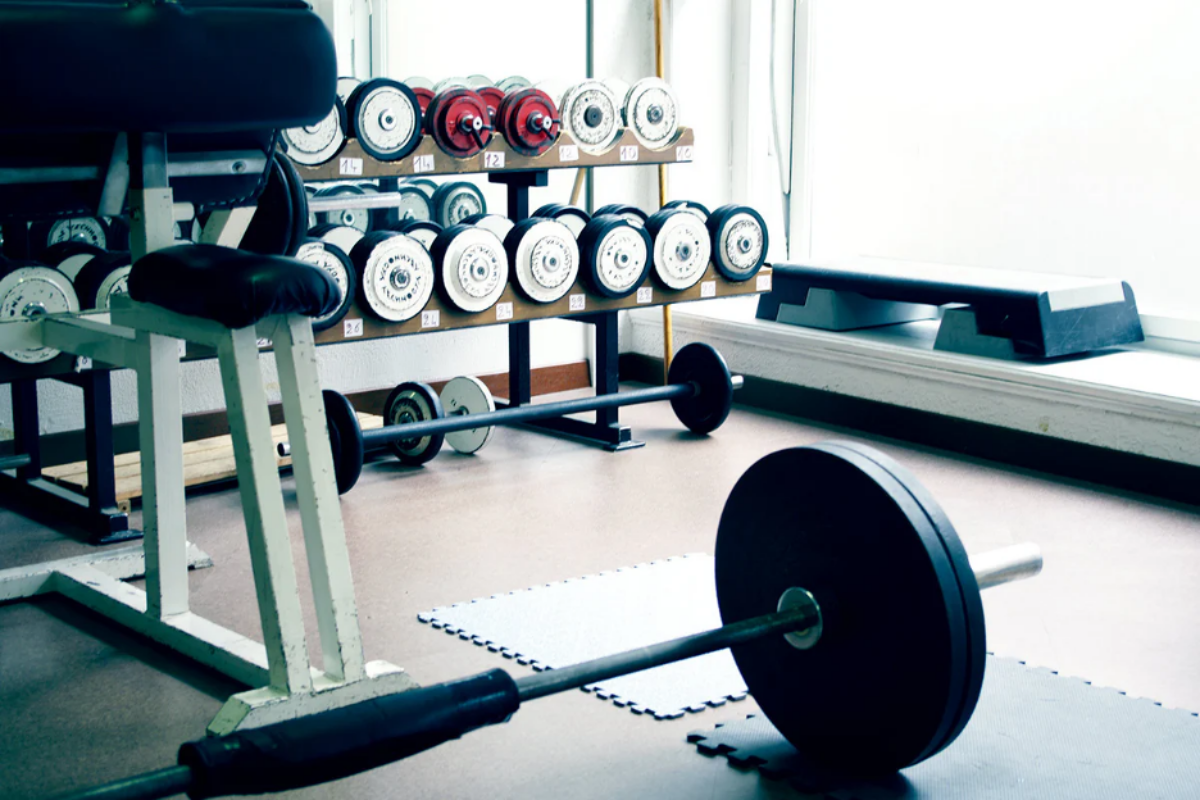
Never buy brand-new iron plates or dumbbells at retail prices (often $2.00+ per pound) if you can avoid it. Use tools like Craigslist, Garage Sale Finder, and eBay local pickup. High-end commercial gyms often liquidate their inventory every 3–5 years. You can often find "pre-loved" rubber-coated hex dumbbells from brands like Ivanko or Iron Grip for $0.60 to $0.80 per pound. This single tactic can shave $500 off a standard setup cost.
Horse Stall Mats: The Professional Flooring Secret
Skip the "fitness-branded" interlocking foam tiles sold at big-box retailers. They compress and shift under load. Instead, head to a tractor supply store (like Tractor Supply Co.) and purchase 3/4-inch thick recycled rubber horse stall mats. These usually come in 4x6 foot sheets and cost approximately $50 each. They are virtually indestructible, provide superior vibration dampening for deadlifts, and offer the same density as professional CrossFit affiliates.
Selective Digital Integration
You don't need a $2,000 smart screen attached to your wall. Use an existing tablet or a smart TV paired with affordable subscription apps like Street Parking, Peloton (App only), or Renaissance Periodization. These services provide world-class programming for $15–$20 a month, removing the need for a personal trainer. This shifts your budget from "hardware with a locked ecosystem" to "flexible software" that grows with your fitness level.
Adjustable Systems for Space Efficiency
In a small room, space is currency. Adjustable dumbbells, such as PowerBlock or the Bowflex SelectTech series, replace 15 pairs of traditional weights. While the initial cost of $300–$400 seems high, the equivalent weight in individual pairs would cost over $1,200 and require a massive rack. This is a strategic "spend to save" move that preserves the floor area for dynamic movements like lunges or burpees.
DIY Recovery and Accessory Stations
Small accessories add up. You can build a "plyo box" for jumping exercises using a single sheet of 3/4-inch plywood and some wood glue for about $30, whereas buying one online costs $100+ plus shipping. Similarly, use a PVC pipe from a hardware store for mobility work instead of a branded "mobility stick." These minor adjustments redirect funds toward the "Big Three": a bar, a rack, and a bench.
Budget Case Studies
Case Study 1: The "Commuter's Corner"
A software engineer in Austin, TX, had a $1,000 limit and a 5x8 foot balcony storage closet. We avoided a rack entirely and focused on a "Bodyweight and Bell" setup. Equipment: 3 Kettlebells (16kg, 24kg, 32kg), a doorway pull-up bar, and a set of gymnastic rings. Total Cost: $620. Result: The user lost 15 lbs in 6 months by utilizing the "greasing the groove" method, performing sets between meetings, which was impossible at a commercial gym.
Case Study 2: The Garage Powerhouse
A family of four in Ohio wanted a full-body solution for under $2,500. By sourcing a used Olympic barbell and 300 lbs of plates from a local high school liquidation ($400) and purchasing a New Titan T-3 Series Rack ($550) and a flat bench ($150), they built a foundation. They spent the remaining $1,400 on 6 horse stall mats and a mid-range Concept2 Rower (sourced used for $700). Result: A 100% functional CrossFit-style gym that serves two adults and two teenagers, saving the family $240 per month in collective membership fees.
Budget Checklist
| Equipment Category | Budget Choice (Estimated $) | Premium Alternative (Ref) | Space Requirement |
|---|---|---|---|
| Flooring | Horse Stall Mats ($50/ea) | Pliteq GenieMat | High (Full coverage) |
| Resistance | Used Iron Plates ($0.80/lb) | Urethane Bumper Plates | Low (Stackable) |
| The Barbell | Bells of Steel Utility Bar ($200) | Eleiko Training Bar | 7 feet wide |
| Support Structure | Squat Stands ($250) | Full Power Cage | Minimal |
| Conditioning | Jump Rope + Used Airdyne ($150) | Peloton Bike+ | Moderate |
Pitfalls & Solutions
The "Aesthetic Trap" is the most dangerous budget killer. Many people spend 40% of their budget on neon lights, mirrors, and branded banners before they've bought a solid barbell. Mirrors are helpful for form, but you can find inexpensive "closet mirrors" at Ikea or Target for $15 and mount them side-by-side rather than ordering custom glass. Focus on the utility of the floor and the bar first.
Another error is ignoring the "Weight Plate Math." Don't buy a 500-lb set if you currently lift 150 lbs. Buy a 160-lb starter set and add 45-lb plates one pair at a time as your strength increases. This spreads the cost over months or years. Also, ensure you check the "sleeves" of your barbell; buying 1-inch "standard" plates is a dead-end investment. Always go with 2-inch "Olympic" diameter equipment so your gear remains compatible with all professional-grade accessories.
FAQ
Is it cheaper to build or buy a gym bench?
While you can build a wooden bench, it is generally safer and more cost-effective to buy a basic steel flat bench. Brands like REP Fitness offer flat benches for around $150 that are rated for 1,000 lbs. The peace of mind regarding structural integrity during a heavy press is worth the investment.
How do I prevent my garage gym from rusting?
If you live in a humid climate, opt for "Zinc" or "Cerakote" finishes on your barbells rather than "Chrome" or "Decorative Black Oxide." A simple monthly wipe-down with 3-in-One oil or WD-40 Specialist Corrosion Inhibitor will keep even budget steel looking new for decades.
What is the most versatile piece of equipment for a small budget?
A set of adjustable gymnastic rings ($40). They can be hung from a ceiling beam, a tree, or a pull-up bar. They allow for dips, pull-ups, rows, and core work, replacing several expensive machines with a single portable tool.
Should I buy a treadmill or an exercise bike?
From a budget and maintenance perspective, a used stationary bike (like an old Schwinn Airdyne) is superior. Treadmills have motors and belts that fail; bikes are simpler mechanically, take up half the space, and usually cost 70% less on the used market.
Can I set up a gym on an upper-floor apartment?
Yes, but you must focus on "Quiet Fitness." Use sandbags instead of iron plates to eliminate the "clanging" sound, and double-layer your rubber flooring. Avoid heavy deadlifts; focus on high-rep movements and bodyweight progressions to stay in your neighbors' good graces.
Author’s Insight
In my experience, the best home gym is the one you actually use at 6:00 AM on a Tuesday. I’ve seen people spend $15,000 on a "dream gym" only to let it collect dust because it was too precious to get dirty. My own home setup started with a single 24kg kettlebell and a sandbag in a cold garage. The "budget" constraint actually forced me to master the fundamentals of strength. If you are just starting, I recommend the "Minimalist Rule": if you can't perform 10 different exercises with a piece of equipment, don't buy it yet. Start small, buy used, and let your equipment grow alongside your PRs.
Summary
Designing a home gym on a budget is an exercise in prioritization and patience. By focusing on a sturdy rack, sourcing used iron, and utilizing industrial-grade flooring like horse stall mats, you can build a facility that rivals any commercial club. Avoid the lure of flashy digital screens and single-use machines. Instead, invest in high-quality steel and versatile tools that offer the highest frequency of use. Start with the essentials, track your progress, and expand your inventory only when your current gear can no longer contain your strength. Your fitness journey is a marathon, and your home gym should be built to go the distance.