Foam Rolling Basics
Myofascial release using a foam roller involves applying targeted pressure to tight fascial tissues and muscles to stimulate blood flow and improve mobility. This technique benefits athletes recovering from intense training, individuals with chronic muscle stiffness, and anyone seeking an evidence-backed method for tissue recovery. Unlike passive stretching, foam rolling actively breaks down adhesions and promotes faster healing.
Understanding Fascia and Its Role
The fascia is a connective tissue network surrounding muscles, bones, and organs. When the fascia becomes restricted due to injury, overuse, or sedentary behavior, it can cause pain and limit mobility. Myofascial release targets these restrictions to restore tissue elasticity and function.
Foam Rolling as a Self-Myofascial Release Tool
Foam rollers provide firm, consistent pressure, enabling users to apply self-myofascial release techniques effectively. This approach is accessible, cost-effective, and widely practiced in rehabilitation and sport conditioning environments. Research from the Journal of Strength and Conditioning Research (2020) found that foam rolling can increase range of motion by up to 12% without compromising muscle strength.
Physiological Mechanisms at Play
Foam rolling facilitates venous return and enhances microcirculation, which improves oxygen delivery and nutrient removal from muscle tissues. Mechanical pressure also modulates the nervous system by reducing sympathetic output, which decreases muscle tone and perceived pain.
Recovery Problems
Misuse of Foam Rollers
Many individuals use foam rollers incorrectly by applying excessive force, rolling too quickly, or targeting areas without proper guidance. This can exacerbate tissue damage rather than promote healing.
Ignoring Myofascial Restrictions
Often, underlying fascial adhesions are overlooked during recovery protocols, leading to persistent pain and restricted mobility. For example, runners frequently develop iliotibial band syndrome due to untreated fascia stiffness.
Consequences of Ineffective Recovery
Poor recovery practices can increase injury risk, prolong downtime, and reduce athletic performance. Chronic fascia tightness contributes to compensatory movement patterns, which further strain joints and muscles.
Real-Life Impact
An example involves tennis players who neglect proper myofascial release techniques, leading to recurrent tennis elbow due to fascial restrictions in the forearm muscles. Such preventable tissue issues cost time and money in rehabilitation.
Effective Solutions
Proper Foam Roller Selection
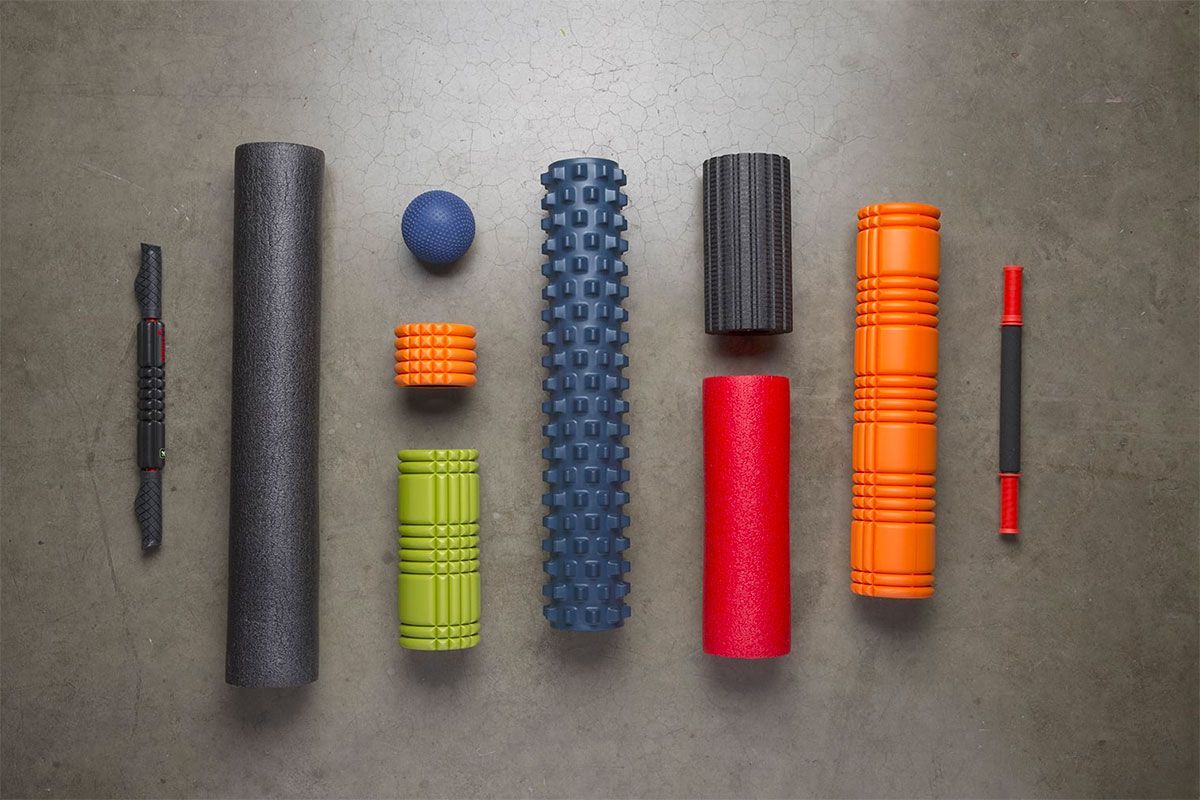
What to do: Choose foam rollers based on density and surface texture. Beginners should start with softer rollers like the TriggerPoint GRID, while advanced users may opt for firmer options like RumbleRoller.
Why it works: Correct density prevents tissue bruising and allows controlled pressure application.
Rolling Technique Guidelines
What to do: Apply moderate pressure slowly (about 1-2 inches per second) and focus on tender spots for 30-60 seconds.
Why it works: Slow pressure application encourages fascia remodeling without overstimulation of pain receptors.
Practice example: On the quadriceps, position your body weight on the roller, slowly roll from hip to knee, pausing on knots.
Incorporating Foam Rolling into Recovery Protocols
Tools and methods: Combine foam rolling with dynamic stretching and hydration.
Use case data: A study in the Journal of Athletic Training (2019) showed a 25% reduction in perceived muscle soreness when foam rolling was combined with active recovery exercises.
Professional Services and Devices
Example: Physical therapy clinics often integrate foam roller sessions with manual myofascial release techniques, supported by devices like percussive therapy guns (e.g., Theragun PRO).
Results: Patients report faster return to function and decreased pain levels, with objective measures displaying improved soft tissue compliance.
Case Studies
Case 1: Sports Rehabilitation Clinic
Company: Peak Performance Rehab
Problem: Patients reported chronic hip tightness and delayed muscle recovery post-ACL surgery.
Intervention: Integrated foam roller myofascial release with therapist-led treatments over 6 weeks.
Outcome: Patients improved hip range of motion by 18%, pain scores decreased by 40%, and return-to-sport timelines shortened by 3 weeks on average.
Case 2: Collegiate Basketball Team
Company: State University Athletic Department
Problem: Frequent calf tightness causing game-time discomfort.
Intervention: Implemented daily foam rolling protocols with TriggerPoint rollers pre- and post-practice.
Result: Muscle soreness incidence dropped by 30%, and players reported improved sprinting mechanics and less cramping.
Foam Roller Guide
| Brand | Specs (Density/Surface) | Recommended User | Price |
|---|---|---|---|
| TriggerPoint GRID | Medium / Textured Grid | Beginner / Mid | $35 - $45 |
| RumbleRoller | Firm / Knobby Spikes | Advanced Pro | $50 - $60 |
| Amazon Basics | Soft / Smooth | Beginner | $15 - $25 |
| LuxFit Roller | Med-Firm / Smooth | General Home Use | $20 - $35 |
Common Pitfalls
Rolling Too Quickly
Moving the roller rapidly over muscles limits pressure duration and fascia release. Slow, deliberate rolling enhances results.
Ignoring Pain Signals
Foam rolling should be uncomfortable but not painful. Sharp pain indicates potential tissue damage — reduce pressure or consult a professional.
Overdoing Frequency
Excessive foam rolling (more than twice daily) can inflame tissues. Stick to 10-15 minutes per session, max once or twice a day.
Neglecting Hydration
Hydration supports fascia pliability. Drink sufficient water before and after foam rolling sessions to assist recovery.
Inconsistent Routine
Irregular use limits benefits. Establish consistent foam rolling as part of your training or recovery days.
FAQ
What is the optimal foam rolling duration for recovery?
Experts recommend 10-15 minutes per session, focusing on each muscle group for 30-60 seconds, depending on sensitivity and tissue tightness.
Can foam rolling replace professional myofascial therapy?
Foam rolling is an effective self-help tool but does not fully replace manual therapy by trained clinicians, especially for severe fascial restrictions.
Is foam rolling effective immediately after workouts?
Yes, foam rolling post-exercise can reduce muscle soreness and stiffness but should be done gently to avoid additional tissue irritation.
Which foam roller firmness is best for beginners?
Softer to medium-density rollers like the TriggerPoint GRID offer effective pressure without excessive discomfort, making them ideal for beginners.
Are there any contraindications for foam roller use?
Individuals with acute injuries, fractures, deep vein thrombosis, or severe osteoporosis should avoid foam rolling or seek medical clearance first.
Author's Insight
From my decade of experience as a sports physiotherapist, foam rolling remains one of the most accessible and effective self-myofascial release tools. Proper technique and roller choice are critical to avoid setbacks. I've seen athletes reduce recovery time by 20-30% when integrating systematic foam rolling into their protocols. For anyone serious about tissue health, investing in a quality foam roller and learning evidence-based techniques pays off dramatically in long-term mobility and performance.
Summary
Myofascial release with foam rollers offers a practical, research-supported method to improve tissue recovery and prevent injury. The key lies in selecting the right foam roller, applying slow controlled pressure, and integrating it consistently into recovery routines. Avoiding common errors such as excessive force or frequency enhances safety and benefits. Prioritize fascia health alongside traditional recovery modalities to achieve optimal performance and reduce downtime.