Why Counting Fails
Calorie counting can teach portion awareness, yet many people discover that tracking every meal becomes another task on an already crowded schedule. A 2023 survey from the International Food Information Council found that many adults pay attention to calories, but far fewer maintain detailed tracking for long periods. The gap between knowing and doing is where frustration starts.
Food labels contain estimates, restaurant meals vary from day to day, and hunger does not arrive on a spreadsheet. Someone can hit a target of 2,000 calories while living on ultra-processed snacks and still feel unsatisfied. Another person can eat slightly more calories from vegetables, beans, fish, and fruit and end up healthier. Quality changes the picture.
Focus on patterns. They shape eating behavior far more than a perfect log maintained for 17 days and then abandoned.
Many successful eaters never track anything. They repeat a handful of meals, keep protein high, and arrange their environment so good choices require less effort. The result looks simple from the outside, and that is the point.
Hidden Roadblocks
The biggest mistake is treating calories as the only metric that matters. Food affects fullness, energy, digestion, sleep, and cravings. A 500-calorie pastry and a 500-calorie meal built around eggs, berries, and yogurt create very different afternoons.
Another problem comes from compensation. People finish a workout, feel they earned extra food, and accidentally erase the energy deficit they created. I see this often among new gym members who train 3 times a week and then celebrate each session with a large treat.
Shortcuts create trouble too. Drinking calories from sweet coffee drinks, juice, or soda can add 300 to 700 calories without much fullness. Liquid energy slips past the body's natural appetite signals.
Then there is decision fatigue. After making 200 small choices during a workday, people reach dinner and grab whatever is easiest. The plan disappears.
That happens a lot.
Technology can add noise. Apps such as MyFitnessPal collect huge amounts of data, but some users end up managing numbers more than meals. The dashboard grows, the habit weakens.
Food Habits That Work
Build meals around protein
Start with protein, then build the rest of the plate. Protein increases fullness and helps preserve muscle during weight loss. Research often points toward roughly 20 to 40 grams per meal for many adults.
A practical lunch might include 150 grams of chicken, a large salad, and potatoes. A vegetarian version could use tofu, edamame, and lentils. Skip the calorie math. The structure does most of the work.
Use the plate method
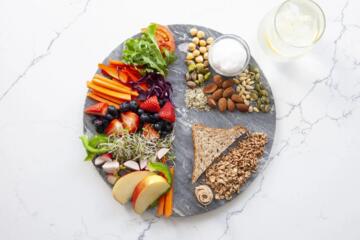
Fill half the plate with vegetables, around one quarter with protein, and the remaining quarter with starches such as rice, potatoes, or whole grains. This approach works in restaurants, cafeterias, and family dinners.
The visual cue matters because it removes constant calculation. People can follow it in less than 10 seconds. No app required.
Eat foods that slow you down
Choose foods that require chewing. Apples beat apple juice. Potatoes beat chips. Greek yogurt beats a sweet drink that disappears in 2 minutes.
Slow the meal down. The stomach and brain need time to communicate, and rushing through lunch at a desk often leads to extra snacking an hour later.
I noticed this years ago while reviewing food logs from clients. The fastest eaters were rarely the most satisfied eaters.
Create a default breakfast
Remove one daily decision. A repeat breakfast cuts friction and reduces random choices driven by convenience.
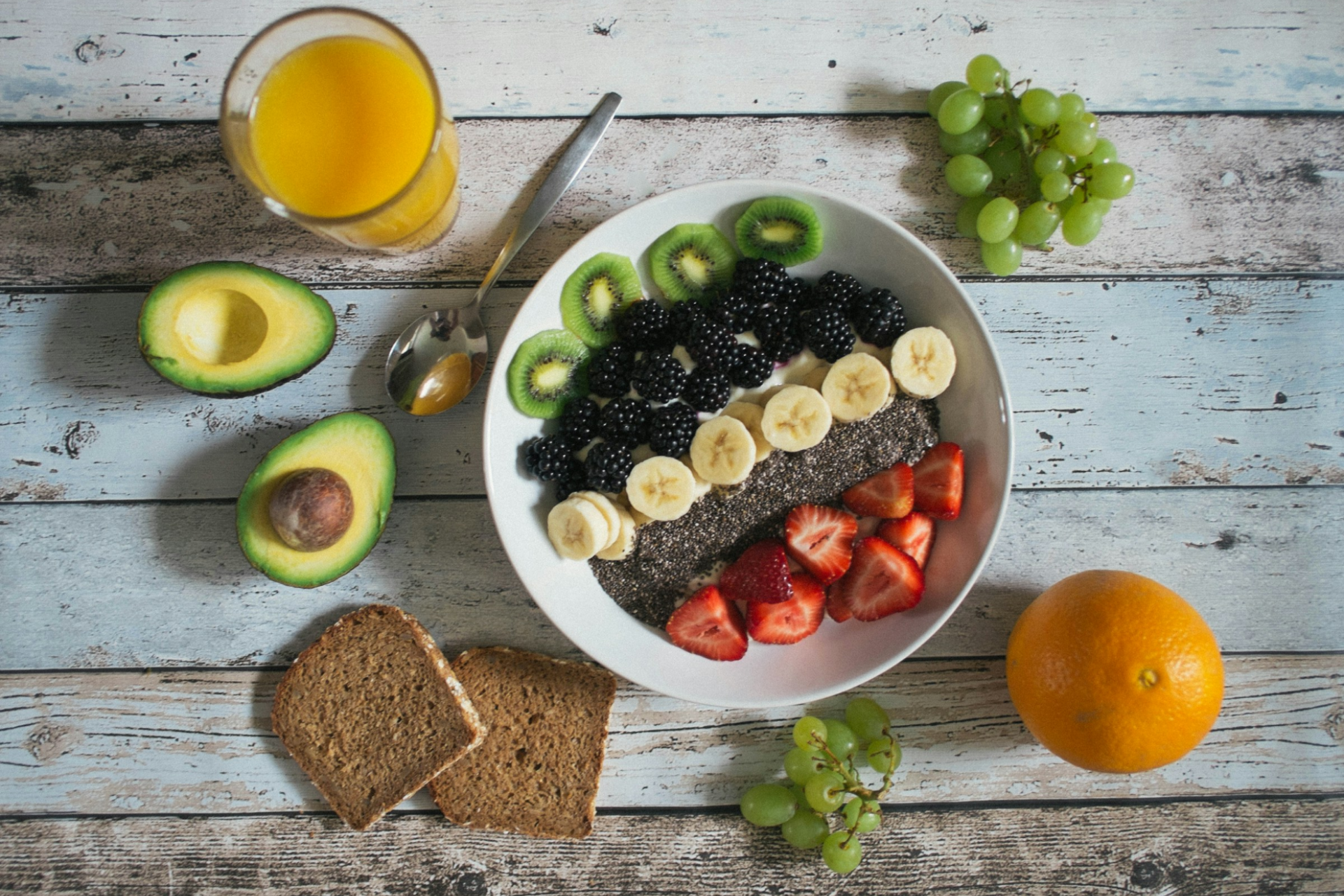
A bowl of plain Greek yogurt, berries, and oats delivers protein, fiber, and volume. Another option is 2 or 3 eggs with whole-grain toast and fruit. Repeat the meal 5 mornings a week and the nutritional impact becomes surprisingly large.
Consistency beats novelty here.
Keep high-fiber foods visible
People eat what they see. A fruit bowl on the counter often changes behavior more than another nutrition podcast.
Fiber supports fullness and digestive health. Many adults consume less than the commonly suggested 25 to 38 grams per day. Beans, berries, oats, vegetables, and lentils can close that gap without much effort.
Place washed grapes at eye level in the refrigerator, and the odds shift a little.
Use hunger scales, not apps
Rate hunger from 1 to 10 before eating. Many people find that starting meals around a 3 or 4 and stopping around a 7 works better than waiting until they feel ravenous.
This method sounds simple, which, frankly, many people dismiss. Yet awareness changes eating speed, portion size, and snack frequency.
The body gives signals. Most people stopped listening somewhere along the way...
Design the kitchen first
Arrange food based on the behavior you want. Put vegetables, yogurt, and fruit in easy reach. Store treats in harder-to-reach places.
Skip the willpower test. Environment influences eating hundreds of times per month.
I remember visiting a client in March 2024. Cookies sat on the kitchen island, while fruit was hidden in a lower drawer. After switching locations, snack frequency dropped within 2 weeks. No calorie target changed.
Real-Life Results
Case one involved a 42-year-old office manager who had tracked food on and off for nearly 6 years. She felt burned out and stopped logging completely. Instead, she adopted three rules: 30 grams of protein at breakfast, vegetables at lunch and dinner, and no liquid calories during weekdays.
After 16 weeks, her weight decreased by 7.8 kilograms. Her waist measurement dropped by 9 centimeters. She reported fewer cravings and spent zero time entering meals into an app.
Case two involved a small team of 18 employees at a technology firm. The company cafeteria moved fruit, yogurt, and salads to the first section employees saw. Desserts remained available but appeared later in the serving line.
The change lasted 12 weeks. Cafeteria records showed higher fruit purchases and lower dessert selection. Average afternoon snack purchases fell by roughly 22 percent. Small environmental changes often outperform perfect intentions.
Quick Checklist
| Habit | Daily | Goal | Result |
|---|---|---|---|
| Protein | Meals | 20-40g | Fuller |
| Fiber | Plants | 25g+ | Less snack |
| Water | Drinks | 2L+ | Better cue |
| Veg | Lunch | Half plate | Volume |
Common Pitfalls
Many people replace calorie counting with guesswork and call it intuitive eating. Those are not the same thing. Awareness still matters.
Another mistake is fearing all processed foods. Frozen vegetables, canned beans, and plain yogurt can support healthy eating while saving time. The goal is not perfection.
Do not chase nutrition trends every month. One week it is seed oils, the next week it is a new fasting protocol, and it rarely works the way the docs say. Constant switching prevents useful habits from taking root.
Skip giant cheat meals. They often turn one evening into an entire weekend of overeating.
Some people eat too little protein while trying to clean up their diet. Others remove entire food groups without a medical reason. Both approaches can backfire.
Watch weekends, too. Five disciplined days can disappear under two days of restaurant meals, drinks, and mindless grazing.
FAQ
Can I lose weight without counting calories?
Yes. Many people lose weight by increasing protein, eating more vegetables, reducing liquid calories, and limiting highly processed snacks. These habits often lower calorie intake without active tracking.
How much protein should I eat?
Needs vary by body size and activity level. Many adults do well with roughly 20 to 40 grams per meal and a daily intake spread across 3 or 4 eating occasions.
Are calorie-tracking apps bad?
No. Apps can teach portion awareness and reveal patterns. Problems appear when tracking becomes stressful or impossible to maintain over months.
What is the fastest habit to start today?
Add a protein source and a fruit or vegetable to your first meal tomorrow morning. The change takes minutes and influences appetite for the rest of the day.
Do I need expensive health devices?
No. Tools such as Oura or Apple Health can supply useful data, but a grocery list, a water bottle, and a repeat meal plan often have a larger effect on eating behavior.
Author's Insight
I have spent years reviewing food journals, coaching clients, and testing nutrition habits on myself. The people who succeed for 12 months or longer rarely have the most detailed spreadsheets. They have repeatable systems.
Eat more protein. It solves several problems at once.
I still track food occasionally for a week or two when I want extra data, but I do not live inside an app. The strongest long-term results usually come from routines that feel almost boring, because boring habits survive busy schedules.
Summary
Healthy eating does not require counting every calorie. Build meals around protein, fill half the plate with vegetables, choose high-fiber foods, monitor hunger cues, and shape your environment so good choices appear first.
Skip constant tracking. It adds work for many people.
Start with one habit this week, follow it for 14 days, then add another. Small adjustments repeated hundreds of times create results that last far longer than a perfect calorie log abandoned after a few weeks.