Protein and Satiety
Protein tends to reduce hunger after meals more than the same number of calories from many other macronutrients. One reason is that protein digestion produces amino acids that influence gut signaling and brain hunger pathways. In controlled feeding studies, higher-protein diets often increase satiety ratings and reduce later calorie intake compared with lower-protein diets, even when total calories are not fully matched.
Protein also changes the timing of digestion. Meals with more protein generally slow gastric emptying compared with meals dominated by rapidly digested carbohydrates, which can prolong the “full” signal for a longer window. In addition, protein affects hormones involved in appetite regulation, including peptide YY and glucagon-like peptide-1 (GLP-1), which are released from the gut after eating and help curb appetite.
Practical examples make the mechanism easier to picture. A breakfast that includes eggs or Greek yogurt often keeps hunger lower until lunch for many people, while a breakfast made mostly of refined grains may lead to earlier hunger. At dinner, adding lean meat, fish, tofu, or legumes to a plate of vegetables and rice can reduce the urge to snack later, even if the meal’s total calories are similar.
Common Reasons it Fails
People often expect protein to work like a “hunger switch,” but satiety depends on the whole meal pattern. One common issue is protein quantity. If a meal contains only a small amount of protein, the gut and brain signals may not reach the threshold needed for a noticeable satiety effect.
Another issue is protein distribution across the day. Many people concentrate most protein at dinner and eat mostly low-protein meals at breakfast and lunch. When protein is unevenly distributed, hunger can rise between meals even if total daily protein is adequate.
Meal composition also matters. A high-protein meal paired with very high added sugars or large amounts of refined starch can still lead to rapid post-meal hunger in some people. Fast-digesting carbohydrates can drive quicker glucose and insulin changes, which may contribute to earlier appetite returning for certain individuals.
Chewing and eating speed can blunt satiety signals. Eating quickly reduces the time for stretch receptors in the stomach and gut hormone release to communicate fullness to the brain. Even with adequate protein, fast eating can lead to overeating before satiety is fully registered.
Finally, some people misjudge “protein” by looking only at labels. A food can be marketed as high-protein but still contain a lot of calories from fat or added sugars, which can offset appetite effects. Conversely, some minimally processed foods with moderate protein can still improve fullness when they replace more energy-dense options.
Protein Increases Fullness
Protein influences satiety through multiple pathways that work together. First, protein digestion generates amino acids that stimulate gut cells to release satiety-related hormones such as GLP-1 and peptide YY. These hormones act on the brain to reduce hunger and can also affect how the body responds to the next meal.
Second, protein tends to slow gastric emptying. When the stomach empties more slowly, nutrients reach the small intestine gradually, which can prolong the fullness signal. This effect varies by protein type, meal fat content, and overall meal energy.
Third, protein can improve post-meal metabolic handling. Higher-protein meals often lead to a different pattern of insulin and amino acid availability than carbohydrate-heavy meals. For many people, this contributes to steadier appetite over the next few hours, though individual responses vary.
Protein also affects muscle protein turnover. When protein intake supports lean mass maintenance, the body may be less prone to hunger-driven compensatory eating, especially during weight loss. The relationship between protein, lean mass, and appetite is not identical for everyone, but it helps explain why protein can be more helpful during calorie reduction than during weight maintenance alone.
Practical Ways to Use It
Pick a realistic protein target
A practical starting point is to aim for roughly 20–40 grams of protein per meal for many adults, depending on body size and total daily needs. For example, a 25–30 gram protein breakfast can be enough for many people to notice later hunger differences, while smaller portions may not. If you are aiming for weight loss, a higher daily protein intake is often used in research settings, but the best target depends on your health status and goals.
What to do: estimate your usual protein per meal for one day, then adjust by adding one protein-rich item at breakfast and lunch. Tools include nutrition labels, food tracking apps, or simple portion guides like “one palm-sized serving” of lean protein.
What it looks like: 2 eggs plus Greek yogurt, or tofu scramble with beans, or chicken plus vegetables. A consistent protein dose at each meal tends to produce more predictable satiety than occasional large protein servings.
Distribute protein across meals
Satiety signals respond to what happens at each eating episode, not only to total daily intake. Spreading protein across breakfast, lunch, and dinner can reduce the time window where hunger rises. Many people find that adding protein to breakfast is the easiest change because it affects the longest gap until the next meal.
What to do: choose one protein-forward option for breakfast and one for lunch, then keep dinner similar to your current pattern. If you already eat protein at dinner, shifting some of that protein earlier can improve appetite control.
What it looks like: oatmeal plus whey or Greek yogurt, or whole-grain toast plus eggs and a side of cottage cheese, or a bean-based lunch bowl.
Choose protein types that fit your meal
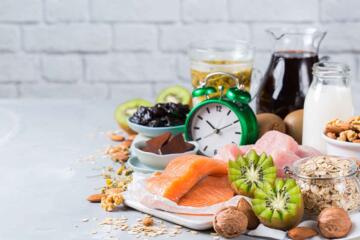
Different protein sources can affect satiety through digestion rate and accompanying nutrients. Dairy proteins such as whey and casein often digest at different speeds, and lean meats, fish, eggs, soy, and legumes each have distinct amino acid profiles and fiber or fat content. The satiety effect is not identical across all sources, but protein presence and meal structure are the main drivers.
What to do: rotate among lean animal proteins and plant proteins, and pay attention to how you feel rather than chasing a single “best” source. If you notice bloating with legumes, start with smaller portions or choose lentil soups and tofu.
What it looks like: salmon with vegetables, tofu stir-fry, lentil curry, or yogurt with nuts and fruit. Pairing protein with fiber-rich foods can further support fullness by slowing digestion of the overall meal.
Pair protein with fiber and volume
Protein can keep you full longer, and fiber can extend that effect by increasing meal volume and slowing carbohydrate absorption. A plate that includes protein plus non-starchy vegetables often reduces the need for extra snacks because it increases chewing time and stretches the stomach.
What to do: build meals around a protein portion and at least one or two cups of vegetables or a serving of beans, lentils, or other high-fiber foods. Keep refined starch portions moderate if your goal is appetite control.
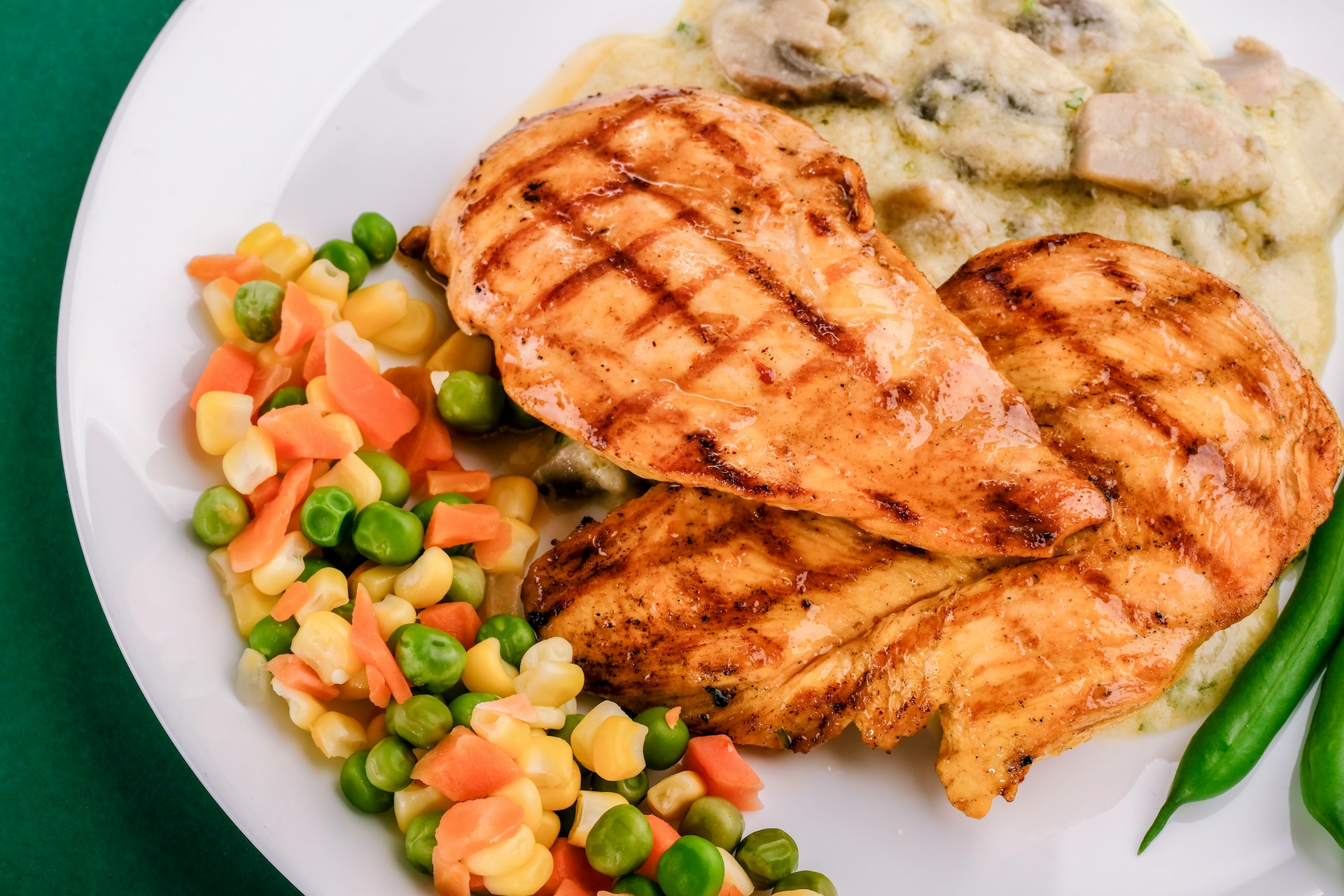
What it looks like: chicken or tofu with roasted vegetables and a smaller serving of rice, or a bean chili with a side salad.
Slow down and plan the eating window
Satiety hormones and stomach stretch signals take time to register. Eating quickly can reduce the practical impact of protein by causing you to finish the meal before fullness peaks. This is especially relevant for people who eat at a desk, during commutes, or while multitasking.
What to do: aim for a meal pace that lets you pause between bites and finish in about 15–25 minutes. If you eat in under 10 minutes, try a deliberate slower pace for one week and track hunger later that day.
What it looks like: putting utensils down between bites, starting with vegetables or a salad, and avoiding “snack grazing” while cooking.
Use snacks strategically, not automatically
Protein can reduce the urge to snack, but snacks still matter when hunger appears between meals. If you snack, choose protein-containing options rather than only fruit or only crackers. The goal is to bridge time until the next meal without turning snacks into extra calories.
What to do: when hunger hits, wait 10–15 minutes and drink water first. If hunger persists, choose a protein snack such as yogurt, a small portion of nuts plus yogurt, cottage cheese, or a protein shake with minimal added sugar.
What it looks like: Greek yogurt with berries, or hummus with vegetables, or a small turkey roll-up. If you use protein shakes, treat them as a meal component rather than an unlimited substitute for food.
Watch for trade-offs with very high protein
Higher protein intake can help satiety for many people, but very high intakes may not suit everyone. People with kidney disease or certain metabolic conditions need individualized guidance, and even in healthy individuals, extremely high protein can displace fiber-rich foods and lead to constipation or an unbalanced diet.
What to do: increase protein gradually and keep fiber and fluids consistent. If you have known kidney problems, discuss protein targets with a clinician before making large changes.
What it looks like: adding protein to meals while keeping vegetables, legumes, whole grains, and healthy fats in the plan rather than replacing them entirely.
Educational Case Examples
Case 1: Breakfast protein shift
A 34-year-old office worker noticed hunger returning about 2–3 hours after breakfast. Their usual breakfast was a sweet pastry and coffee. They changed breakfast to include eggs or Greek yogurt plus fruit, aiming for roughly 25–30 grams of protein, while keeping lunch similar. Over the next week, they reported fewer mid-morning cravings and less frequent snacking, without changing total daily calories dramatically.
What to learn: adding protein to the first meal can reduce the longest hunger gap, especially when breakfast previously relied on refined carbohydrates.
Case 2: Protein distribution during weight loss
A 45-year-old planning weight loss ate most protein at dinner and had low-protein lunches. They replaced lunch sides with a protein-forward option such as a bean-and-vegetable bowl or chicken salad with beans, targeting about 20–30 grams of protein at lunch. They also slowed their eating pace slightly. Hunger between lunch and dinner decreased, which made it easier to stick to portion sizes at dinner.
What to learn: distributing protein across meals can improve appetite control even when dinner protein stays the same.
Protein vs Other Macros
| Meal choice | Typical satiety pattern | What to watch | Practical next step |
|---|---|---|---|
| Higher-protein meal | Often longer fullness window due to gut hormone signaling and slower digestion | Too little protein per meal or very fast eating can blunt the effect | Aim for ~20–40 g protein per meal and include fiber-rich foods |
| Carb-heavy meal | Hunger may return sooner when carbs are refined and digestion is rapid | Large portions can increase total calories quickly | Reduce refined starch and add a protein portion |
| Fat-heavy meal | May feel filling initially, but calorie density can drive overeating for some people | High-fat meals can be easy to overeat | Balance fat with protein and vegetables |
Common Mistakes
One mistake is treating protein as a substitute for meal structure. Protein alone without fiber and adequate meal volume may not reduce hunger as much, especially if the meal is mostly liquid or mostly refined starch.
Another mistake is assuming “more is always better.” Increasing protein from a low baseline can help, but very large portions can displace other foods and may worsen digestion for some people. If protein changes cause discomfort, the approach may need adjustment.
People also overestimate what protein shakes can do. A shake can be useful, but it does not automatically replace the benefits of chewing, fiber, and whole-food meal volume. If hunger returns quickly after a shake, adding fiber-containing foods or pairing the shake with a meal component can help.
Finally, ignoring eating speed and portion size can undermine protein’s effect. Even a high-protein meal can lead to overeating if it is consumed quickly or if portions are much larger than needed.
FAQ
How much protein per meal helps with fullness?
Many adults notice satiety improvements when meals include roughly 20–40 grams of protein. The best amount varies with body size, activity level, and the rest of the meal, so start with a realistic target and adjust based on hunger and portion needs.
Does protein keep you full longer than carbs?
Protein often increases satiety more than many carbohydrate-dominant meals, partly through gut hormone release and slower gastric emptying. The difference depends on carbohydrate type, meal fiber, and how quickly the meal is eaten.
Is plant protein as filling as animal protein?
Plant proteins can be as filling when they deliver adequate protein and are part of a meal with fiber and volume. Legumes and soy often help because they combine protein with fiber, which slows digestion of the overall meal.
Can too much protein cause hunger problems?
Very high protein intake can displace fiber-rich foods and may cause digestive discomfort in some people, which can affect appetite. If protein increases lead to constipation, nausea, or persistent GI symptoms, the intake level and food choices may need adjustment with professional guidance.
Will protein help if I’m trying to lose weight?
Higher-protein diets are commonly associated with reduced hunger and improved adherence to calorie targets in research settings. Individual results vary, and protein should be planned within a balanced diet rather than replacing vegetables and fiber.
Author's Insight
Protein’s satiety effect comes from several coordinated signals: amino acids influence gut hormone release, digestion timing changes, and the brain receives fullness cues over a longer period. The practical takeaway is not to chase a single “high-protein” food, but to build meals where protein is present in meaningful amounts and paired with fiber-rich volume. If hunger remains high after protein changes, the likely causes include too little protein per meal, uneven protein distribution, fast eating, or a meal composition dominated by refined carbohydrates. For people with kidney disease, pregnancy complications, or other medical conditions, protein targets should be discussed with a clinician rather than adjusted independently.
Key Takeaways
Protein can keep you full longer by affecting gut hormones, slowing gastric emptying, and changing post-meal appetite signals. Aim for a consistent protein dose at meals (often around 20–40 grams), spread protein across breakfast and lunch, and pair it with fiber-rich foods to extend fullness. Expect variation: meal timing, eating speed, carbohydrate quality, and overall calorie balance influence hunger outcomes.
Next steps: track your hunger for a few days, then test one change at a time—such as adding a protein-rich breakfast or increasing protein at lunch—while keeping portions reasonable. If you have kidney disease, a history of eating disorders, or persistent GI symptoms after increasing protein, seek medical advice before making large dietary changes.