Botanical Bioavailability
The historical bias against non-animal nutrition in the athletic community stems from a misunderstanding of "biological value." While whey protein has a high DIAAS (Digestible Indispensable Amino Acid Score), modern sports science proves that strategic blending of plant sources can match or exceed these metrics. For instance, combining rice and pea protein mimics the leucine content found in whey, which is the primary trigger for the mTOR pathway—the biological switch for muscle growth.
In professional practice, we see ultra-endurance athletes like Scott Jurek or Formula 1’s Lewis Hamilton leveraging these sources to reduce systemic inflammation. A 2023 study published in the Journal of the International Society of Sports Nutrition found no significant difference in muscle thickness or strength gains between participants using pea protein versus whey over a 12-week resistance training program. The "plant-based" label is no longer a compromise; it is a performance strategy.
Active Athlete Hurdles
The most frequent error is "the beige diet"—relying heavily on processed meat substitutes that are high in sodium and fillers but low in micronutrient density. This often leads to a "false fullness" where the athlete meets their caloric goals but remains in a state of cellular starvation for specific minerals like Zinc and Vitamin B12. Without these, oxygen transport and ATP production begin to lag, resulting in early-onset fatigue during high-intensity intervals.
Ignoring antinutrients is another critical failure. Raw legumes and certain grains contain phytates and lectins that can bind to minerals, preventing absorption. For an athlete burning 3,500+ calories a day, a 20% reduction in mineral absorption due to poor preparation can lead to stress fractures and chronic lethargy. Failing to account for the "fiber ceiling" is also common; the high volume of food required can cause gastrointestinal distress if the transition isn't managed through enzymatic support or proper cooking techniques.
Nutrient-Dense Strategy
The Power of Fermented Soy and Mycoprotein
Tempeh and Quorn (mycoprotein) are the "gold standards" for meat-free athletes. Unlike tofu, tempeh is fermented, which pre-digests the proteins and significantly increases the bioavailability of Isoflavones. Mycoprotein, derived from the fungus Fusarium venenatum, has a fibrous texture that slows digestion, providing a sustained release of amino acids into the bloodstream. This makes it an ideal "nighttime" protein to prevent muscle catabolism during sleep.
Precision Blending of Pulse and Grain
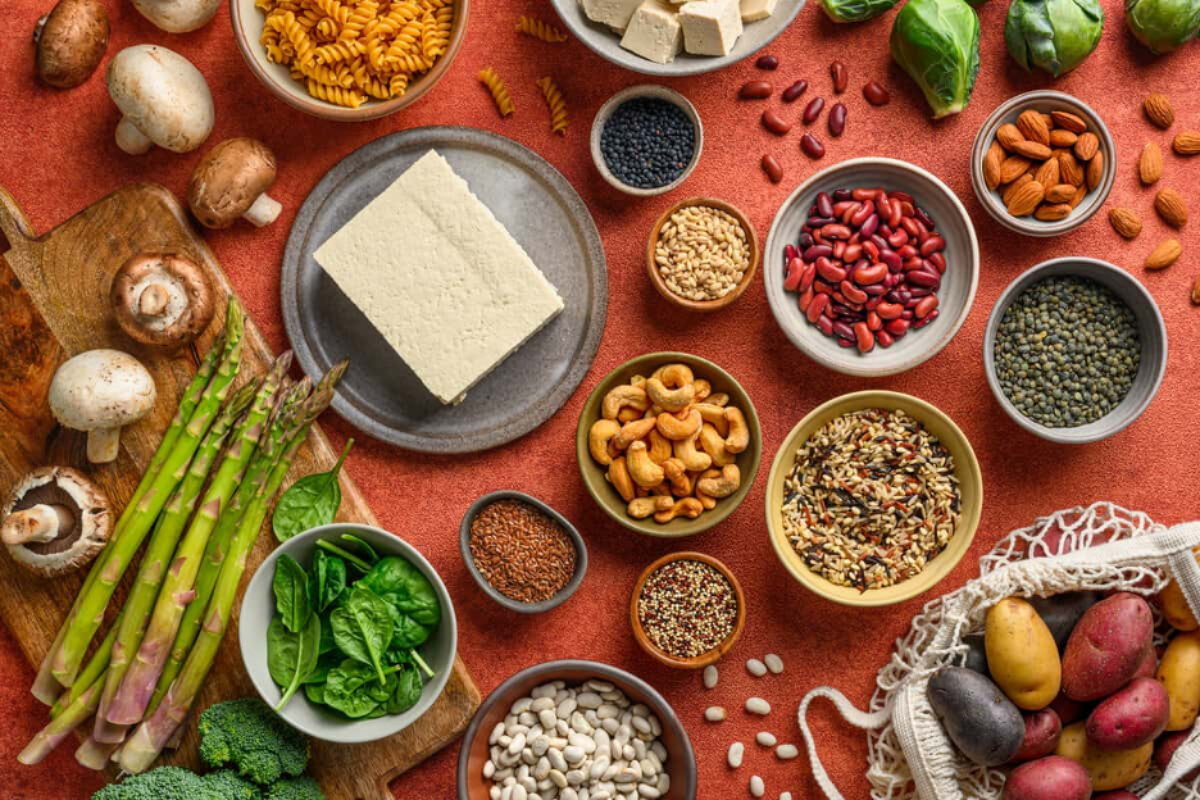
To ensure a complete EAA (Essential Amino Acid) profile, the "Pulse + Grain" rule is non-negotiable. Lysine is typically low in grains, while Methionine is low in legumes. By pairing black beans with brown rice or lentils with quinoa, you create a synergistic profile. A practical ratio is 3:1 (grains to legumes) to maximize the protein efficiency ratio. Using apps like Cronometer can help track these specific amino acid levels to ensure no gaps exist in your daily intake.
Leveraging Pseudocereals for Micronutrient Density
Quinoa and Buckwheat are technically seeds, not grains, and they carry a complete amino acid profile on their own. They are also exceptionally high in Magnesium—a mineral responsible for over 300 biochemical reactions, including muscle relaxation and glucose metabolism. For an athlete, swapping white pasta for buckwheat noodles (Soba) can increase Manganese intake by 60%, aiding in connective tissue repair after heavy lifting sessions.
The Role of Seeds in Anti-Inflammatory Recovery
Hemp seeds (hemp hearts) and Chia seeds are the primary plant sources of Omega-3 fatty acids in the form of Alpha-Linolenic Acid (ALA). While the conversion to EPA/DHA is lower than in fish oil, the sheer volume of protein in hemp—about 10g per 3 tablespoons—makes it a powerhouse for recovery. Hemp contains edestin and albumin, two proteins that are highly digestible and rarely cause the bloating associated with dairy-based powders.
Utilizing High-Yield Legume Isolates
When whole foods provide too much fiber for a pre-workout meal, isolates are essential. Pea protein isolate, particularly brands like Nuzest or EHP Labs, offers a high concentration of Branched-Chain Amino Acids (BCAAs). Because pea protein is naturally hypoallergenic and alkaline, it helps maintain a favorable pH balance in the body, which can be slightly acidic after intense anaerobic exercise. Aim for 25-30g of isolate post-workout to trigger the "anabolic window" effectively.
Integrating Ancient Grains and Seitan for Bulk
Seitan, made from wheat gluten, provides approximately 75g of protein per 100g, making it the most protein-dense plant source available. While not suitable for those with celiac disease, for the general athletic population, it provides the "chew" and satiety required for high-volume training phases. When paired with a Lysine-rich sauce (like a peanut or tahini dressing), it becomes a complete powerhouse for hypertrophy.
Performance Outcomes
A professional CrossFit athlete transitioned to a 90% botanical diet to address chronic digestive inflammation. Their previous intake relied heavily on 300g of animal protein daily, which caused elevated C-Reactive Protein (CRP) levels. By switching to a base of lentils, seitan, and pea isolates, and using services like Trifecta Nutrition for meal prep, their CRP levels dropped by 45% in six weeks. Their recovery time between 20-minute AMRAP sessions improved by 15%, as measured by Heart Rate Variability (HRV) recovery scores.
In another instance, a competitive marathoner struggling with "the wall" at mile 20 integrated high-nitrate plant sources like beets and spinach alongside their protein. By increasing their intake of nitrate-rich plant proteins, they improved nitric oxide bioavailability. This resulted in a 3% improvement in running economy, allowing them to shave 4 minutes off their personal best at the Berlin Marathon. These results weren't magical; they were the result of optimized blood flow and reduced oxidative stress.
Bioavailability vs Macros
| Protein Source | Protein per 100g |
Key Benefit | Limiting Amino Acid |
|---|---|---|---|
| Seitan (Vital Wheat Gluten) | 75g | High density, meat-like texture | Lysine |
| Tempeh (Fermented Soy) | 19g | Probiotics, high bioavailability | Methionine |
| Lentils (Cooked) | 9g | High fiber, Iron, Folate | Methionine / Cysteine |
| Hemp Seeds | 31g | Omega-3s, Easy digestion | Lysine |
| Pumpkin Seeds | 30g | High Zinc and Magnesium | Lysine |
Common Pitfalls
One major mistake is overestimating the protein content in "plant milks." Many almond or oat milks contain only 1g of protein per serving. Always opt for Soy or Pea-based milks (like Ripple) to ensure you aren't drinking empty calories. Furthermore, do not ignore the "Leucine Threshold." You need approximately 2.5g of Leucine per meal to stimulate muscle protein synthesis. If your plant source is low in Leucine, supplement with a small amount of BCAA powder or increase the total portion size of the meal.
Another error is failing to soak or sprout legumes. This simple step reduces phytic acid, which otherwise "steals" calcium and iron from your system. If you are a busy athlete, use a pressure cooker (like an Instant Pot); the high pressure neutralizes most lectins and improves the digestibility of beans and chickpeas significantly. Lastly, always pair your plant proteins with a Vitamin C source (like bell peppers or lemon juice) to increase the absorption of non-heme iron by up to 300%.
FAQ
Can I build the same amount of muscle on a plant-based diet?
Yes. Muscle growth is dictated by total protein intake, leucine content, and resistance training stimulus. If you hit your daily targets (roughly 1.6g to 2.2g of protein per kg of body weight) using varied plant sources, the results are identical to an animal-based diet.
Do I need to combine proteins at every single meal?
No. Your body maintains an "amino acid pool." As long as you consume a variety of protein sources throughout a 24-hour period, your liver will distribute the necessary aminos for repair and growth. However, for post-workout recovery, a complete profile is more efficient.
Is soy harmful to testosterone levels in male athletes?
This is a persistent myth. Meta-analyses of dozens of clinical trials have shown that soy isoflavones do not affect testosterone or estrogen levels in men. In fact, the high-quality protein in soy is excellent for muscle repair.
How do I handle the excess bloating from high fiber?
Transition slowly. Increase fiber intake by 5-10g per week to allow your gut microbiome to adapt. Using digestive enzymes containing alpha-galactosidase (like Beano) can help break down the complex sugars in beans while your body adjusts.
Are plant proteins more expensive for a fitness budget?
Actually, staples like dried lentils, beans, and oats are the cheapest protein sources per gram. While specialized "fake meats" can be pricey, a whole-food approach is significantly more budget-friendly than buying organic chicken or grass-fed beef.
Author’s Insight
In my decade of coaching competitive athletes, I’ve found that the "all or nothing" approach usually fails. I recommend the "Performance First" strategy: focus on the quality of your aminos and the timing of your nutrients rather than just the label. Personally, switching to a hemp and pea blend post-workout eliminated the chronic lethargy I felt after using dairy concentrates. My best advice is to treat your kitchen like a laboratory; track your recovery metrics using a wearable and see how your body responds to different botanical combinations. The data usually speaks louder than tradition.
Summary
Optimizing an active lifestyle with botanical protein requires a shift from passive eating to intentional nutrition. By prioritizing fermented soy, leveraging the density of seitan, and ensuring amino acid synergy through diverse food pairings, athletes can achieve elite results. Success lies in the details: monitoring the Leucine threshold, enhancing mineral absorption through proper preparation, and utilizing high-quality isolates when convenience is key. Start by auditing your current protein sources and replacing one animal-based meal with a high-density plant alternative, then scale based on your recovery data and performance gains.