Meal Prep & Insulin
Glycemic load (GL) measures how much a serving of food will raise blood glucose levels based on both the carbohydrate content and its glycemic index (GI). Unlike glycemic index alone, which ranks foods on a 0-100 scale by how quickly they raise blood sugar, glycemic load accounts for the quantity of carbs consumed, offering a practical assessment of actual blood sugar impact.
For example, watermelon has a high GI (~72), but a typical serving contains few carbohydrates, yielding a low GL (4 per serving). Conversely, white bread has a moderate GI (~70) but high carb content, resulting in a higher GL that significantly impacts insulin release.
Scientific data show that lower glycemic load diets reduce postprandial insulin spikes. A 2019 meta-analysis in the American Journal of Clinical Nutrition found that low GL diets decrease fasting insulin levels by up to 15%. This reduces the risk of insulin resistance, a precursor to type 2 diabetes.
Ignoring Glycemic Load
The primary pitfall in meal prep is focusing solely on calorie counting or carbohydrate grams without considering glycemic load. This leads to meals that cause rapid blood sugar surges, overworking the pancreas and triggering excessive insulin secretion.
Consequences include chronic hyperinsulinemia, increased fat storage, hormonal imbalance, and eventual insulin resistance. Many patients experience these issues unknowingly, leading to fatigue after meals, sugar cravings, and unpredictable energy levels.
A common real-world example is the office worker who relies on white bread sandwiches and fruit juices during lunch, causing afternoon blood sugar crashes and overcompensatory snacking on high-sugar snacks.
Solutions & Tips
Calculate and Monitor Glycemic Load
Using apps like MyFitnessPal paired with the University of Sydney’s GI database helps quantify glycemic load per meal. Aim for meals with a GL under 20 to maintain stable insulin.
Choose Low-GI and High-Fiber Foods
Incorporate legumes (lentils GL ~5 per 100g cooked), non-starchy vegetables, and whole grains like quinoa (GI 53, moderate GL). Fiber slows glucose absorption, smoothing insulin release curves.
Balance Macronutrients for Optimal Insulin Control
Adding protein and healthy fats (avocado, nuts, olive oil) to carbohydrate sources attenuates postprandial glucose surges. For example, a study in Diabetes Care showed that combining almonds with white bread lowered post-meal insulin by 30% compared to bread alone.
Leverage Meal Prep Services with Glucose Control Focus
Services like Factor and Fresh n’ Lean offer specific low-GL meal plans designed for blood sugar management, with meals typically in the range of GL 10-15, packed with fiber and balanced macros.
Regularly Test Blood Glucose Response
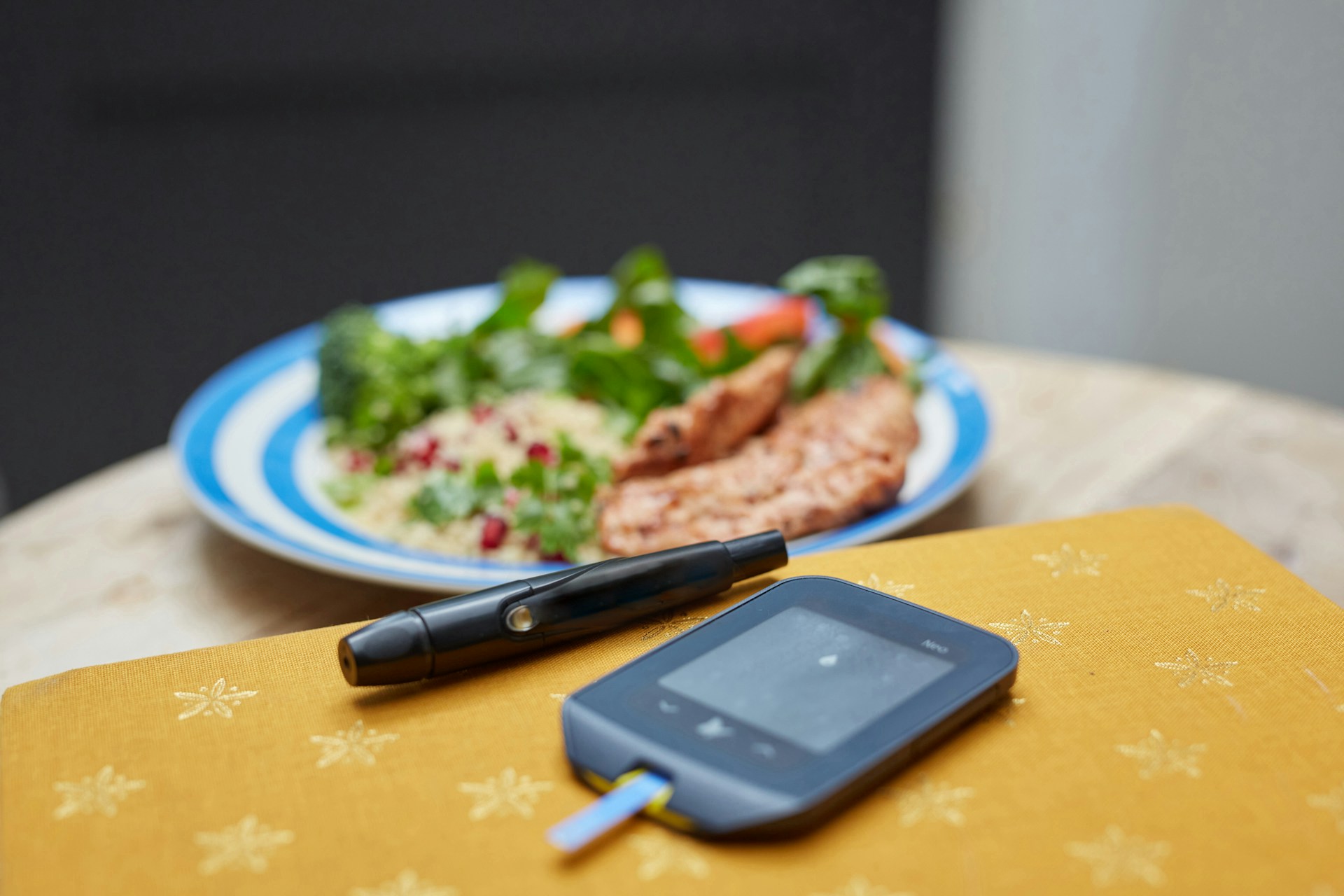
Using Continuous Glucose Monitors (CGM) such as Abbott’s FreeStyle Libre allows individuals to measure real-time blood sugar and adjust future meals accordingly. This personalized feedback reinforces adherence and optimizes insulin response over time.
Case Studies
Company: Tech Startup Wellness Program
Problem: Office employees reported post-lunch sluggishness and weight gain.
Action: Introduced weekly meal prep workshops focused on integrating low glycemic load lunches with recipes incorporating whole grains, quinoa, and legumes, plus added CGM kits for voluntary monitoring.
Result: Within 8 weeks, 75% saw a 20% reduction in afternoon fatigue, and average fasting insulin levels dropped by 12% as measured by their health screenings.
Company: Diabetes Clinic Nutritional Support
Problem: Patients struggled with erratic glucose spikes despite carbohydrate counting.
Action: Shifted focus to glycemic load-based meal plans, emphasizing fiber intake and mixed macronutrient meals. Used apps to track GL and partnered with Fresh n’ Lean for compliant meals.
Result: Hemoglobin A1c levels improved by an average of 0.8% in 3 months, indicating better long-term glucose control.
Meal Prep Checklist
| Step & Action | Why It Matters | Tools & Services |
|---|---|---|
| 1. Calculate GL | Control over glucose impact | MyFitnessPal, Sydney GI |
| 2. Low-GI Carbs | Prevents rapid sugar spikes | Legumes, Quinoa, Veggies |
| 3. Balance Macros | Slows insulin release | Nuts, Avocado, Protein |
| 4. Pro Services | Simplifies GL adherence | Factor, Fresh n’ Lean |
| 5. Monitor CGM | Personalizes meal impact | FreeStyle Libre |
Common Mistakes
Relying on Glycemic Index Alone
Using only GI values ignores portion size; always calculate glycemic load.
Neglecting Fiber Intake
Low fiber leads to faster glucose absorption; include vegetables and legumes.
Overconsuming Simple Carbs
Sugary snacks and refined flour spike insulin; replace with nuts or whole fruit.
Ignoring Protein and Fats
Protein/fat with carbs delays digestion and reduces insulin demand.
Not Testing Individual Responses
Personal glucose tolerance varies; CGM use aids precise meal tailoring.
FAQ
What is the difference between glycemic index and glycemic load?
Glycemic index measures how quickly a carbohydrate raises blood sugar, while glycemic load accounts for both the quality (GI) and quantity of carbohydrates in a serving, providing a more accurate blood sugar impact estimate.
How does glycemic load affect insulin response?
Higher glycemic load meals cause larger, faster increases in blood glucose, triggering more significant insulin secretion to process the sugar and maintain balance.
Can meal prepping help with diabetes management?
Yes, by preparing meals that have controlled glycemic loads, one can avoid large blood sugar spikes, improving day-to-day insulin regulation and overall metabolic health.
What are good examples of low glycemic load foods?
Legumes like lentils (GL ~5 per 100g cooked), non-starchy vegetables, nuts, and whole grains like quinoa are low GL choices that minimize insulin spikes.
Are there tools to track glycemic load easily?
Yes, apps like MyFitnessPal combined with the Sydney University GI database allow users to calculate glycemic load for individual meals and plan accordingly.
Author's Insight
Having worked extensively with clients managing insulin resistance, I’ve seen firsthand how subtle shifts in meal composition can transform energy levels and biochemical markers. My practical experience confirms that glycemic load control is far more effective than simple carb counting alone. I recommend integrating continuous glucose monitoring where possible, as it offers real-time feedback, enabling clients to personalize their diets with precision. Apps and meal prep services reduce decision fatigue, making lifestyle adherence more sustainable over time.
Summary
Smart meal prep focusing on glycemic load control is a proven strategy to optimize insulin response and improve metabolic health. By understanding the difference between glycemic index and load, choosing low-GL foods, incorporating fiber and healthy fats, and using modern tools like CGMs and meal prep services, individuals can effectively manage blood sugar levels. Implement these evidence-based recommendations consistently to avoid insulin spikes and enhance overall well-being.