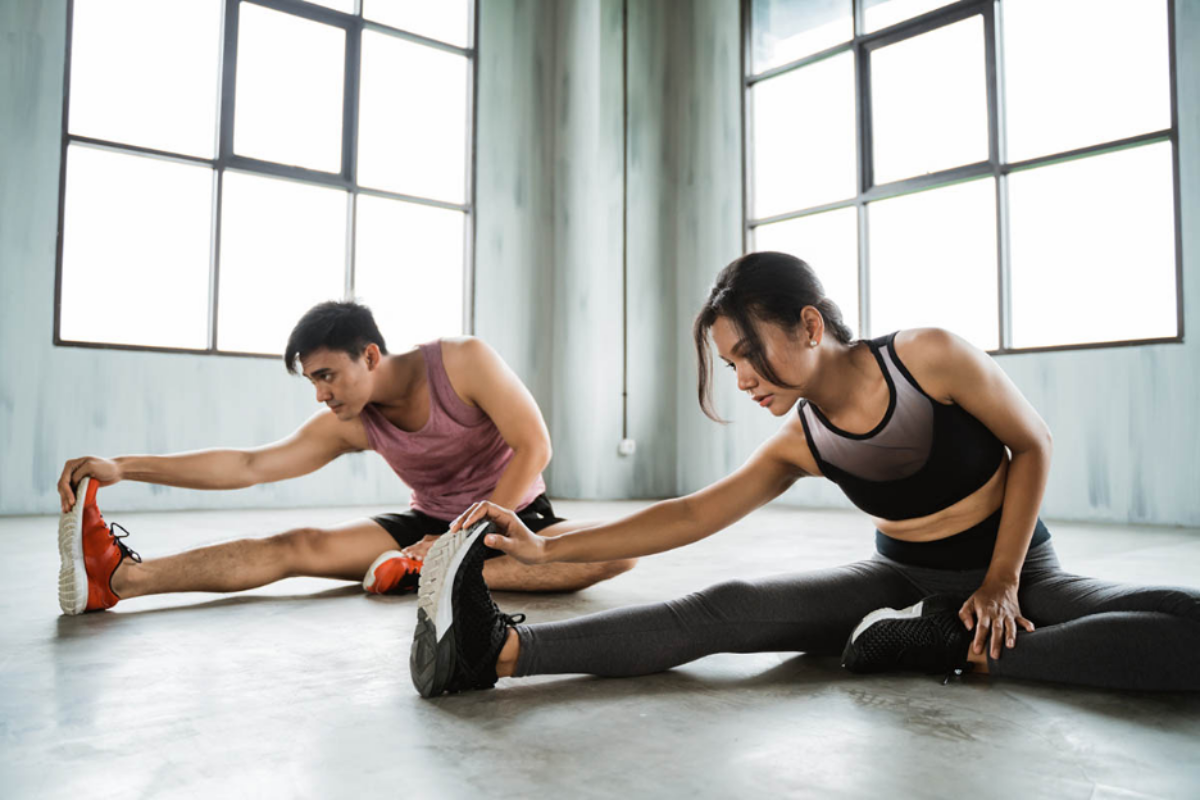
Mechanics of Recovery
To understand why we move after we lift, we must look at the sarcomere level. When you perform eccentric movements—like the lowering phase of a bicep curl—you create microscopic tears in the muscle fibers. This isn't "bad"; it's the catalyst for growth. However, without proper intervention, these fibers can become hyper-irritable, leading to what we colloquially call "knots" or trigger points.
Static and dynamic elongation techniques work by increasing local blood flow and stimulating the Golgi Tendon Organ (GTO). The GTO is a sensory receptor that, when activated, tells the muscle to relax, a process known as autogenic inhibition. According to a study published in the Journal of Athletic Training, consistent flexibility work can improve blood lactate clearance by up to 15% compared to complete rest.
In practice, a marathon runner using a Hyperice Hypervolt for percussive therapy combined with active isolated stretching (AIS) isn't just "feeling good." They are mechanically flushing metabolic waste from the interstitial space and resetting the resting length of the muscle tissue to prevent compensatory patterns in the next gait cycle.
The Science of Micro-Tears and Inflammation
Muscle soreness, specifically DOMS, usually peaks 24 to 48 hours post-exercise. This delay is due to the inflammatory cascade where white blood cells migrate to the site of damage. While stretching won't "cure" the tears, it prevents the muscle from shortening during the repair phase, which maintains joint range of motion (ROM) and reduces the sensation of stiffness.
Neurological Regulation and the Parasympathetic Shift
Stretching acts as a bridge between the sympathetic (fight or flight) and parasympathetic (rest and digest) nervous systems. Long-hold stretches (30+ seconds) signal the brain that the "threat" of the workout is over. This lowers cortisol levels, which is crucial because high cortisol inhibits protein synthesis and slows down the actual repair of the muscle tissue.
Hydration and Fascial Elasticity
Fascia, the connective tissue surrounding your muscles, is highly dependent on water. Think of it like a sponge: when dry, it’s brittle; when wet, it’s pliable. Stretching helps "squeeze" and then "re-hydrate" this tissue. Using tools like Liquid I.V. or LMNT ensures that the electrolytes necessary for muscle contraction and relaxation are present during this process.
Blood Flow Optimization Techniques
Increased circulation is the primary vehicle for recovery. When you stretch, you create a "pump" effect. As you release a stretch, a fresh surge of oxygenated blood enters the tissue. This brings nutrients like amino acids and glucose directly to the damaged cells, accelerating the cellular reconstruction process required for hypertrophy.
The Role of Myofascial Release
Self-myofascial release (SMR) using a TriggerPoint foam roller is a prerequisite for effective stretching. If a muscle has a "knot," stretching it is like pulling a knotted rope—it just makes the knot tighter. SMR breaks up these adhesions first, allowing the subsequent stretch to actually elongate the muscle fibers rather than just stressing the tendons.
Costs of No Cool-Down
The most common mistake in modern fitness is the "stop and drop" approach—finishing a high-intensity interval training (HIIT) session and immediately sitting in a car or at a desk. This causes the muscles to "set" in a shortened state. Over time, this leads to Adaptive Shortening, where the muscle physically loses its ability to reach full extension.
In a clinical setting, we see this manifest as "Lower Cross Syndrome," where tight hip flexors from sitting and post-workout neglect cause the glutes to turn off (reciprocal inhibition). This shift moves the load to the lower back, often resulting in disc issues. Neglecting recovery doesn't just mean you stay sore; it means you are actively changing your skeletal alignment for the worse.
Consider a professional desk-bound worker training for a 5K. If they don't stretch their calves and hamstrings after a run, the fascia thickens. Within six months, they often develop Plantar Fasciitis or Achilles Tendinopathy. These aren't "overuse" injuries; they are "poor maintenance" injuries that cost thousands in physical therapy fees at clinics like Select Physical Therapy.
Recovery Protocols
To effectively mitigate soreness, you need a tiered approach. Dynamic stretching belongs in the warm-up to prepare the nervous system, while static stretching and PNF (Proprioceptive Neuromuscular Facilitation) are reserved for the post-workout window when the core body temperature is elevated.
PNF is arguably the most effective method for increasing ROM and reducing soreness. It involves a "contract-relax" sequence. You provide resistance to a muscle for 6 seconds, then relax and stretch it for 20 seconds. Data suggests that PNF can increase ROM by 5-10% more than static stretching alone. Using a StretchZone-style assisted approach can yield even better results by removing the effort of the athlete.
Specific recommendations include: * Targeting the Posterior Chain: Hold a weighted hamstring stretch using a Rogue Fitness kettlebell for 2 minutes to induce "creep"—the slow deformation of fascia. * Eccentric Loading: Use slow-tempo movements (4 seconds down) during the final set of your workout. This pre-stretches the muscle under load, which has been shown to reduce DOMS severity. * Compression Integration: Post-stretch, utilize Normatec compression boots for 15 minutes to assist the lymphatic system in draining the fluids moved during the stretching session.
Real-World Evidence
Case Study 1: The Corporate Athlete
A mid-sized tech firm in Austin, Texas, implemented a mandatory 10-minute guided mobility session for their amateur corporate softball and marathon teams using the ROMWOD (now PLIABILITY) platform.
Problem: 40% of the team reported missing practices due to "heavy legs" and lower back soreness.
Intervention: Daily 15-minute yin-style stretching focusing on the hips and ankles.
Result: Reported muscle soreness scores (VAS scale) dropped from an average of 7/10 to 3/10 within 30 days. Injury-related absenteeism dropped by 22% over six months.
Case Study 2: Collegiate Powerlifting Team
A Division II powerlifting squad integrated PNF stretching and Theragun therapy post-squat sessions.
Problem: Chronic patellar tendonitis and extreme DOMS preventing 3x/week frequency.
Intervention: 10 minutes of eccentric-focused stretching and localized vibration therapy post-training.
Result: Average squat volume increased by 12% because the athletes were recovered enough to hit their prescribed RPE (Rate of Perceived Exertion) earlier in the week.
Recovery Comparison
| Method | Best For | Recommended Tool | Difficulty |
|---|---|---|---|
| Static | Increasing baseline ROM | Yoga Mat / Strap | Low |
| PNF | Rapid flexibility gains | Band / Partner | High |
| Dynamic | Pre-workout prep | Bodyweight | Medium |
| MFR | Breaking adhesions | Foam Roller | Medium |
| AIS | Circulation & Flow | Strap or Rope | Medium |
Mobility Pitfalls
The "Bouncing" Trap: Many beginners use ballistic stretching (bouncing in a stretch). This triggers the stretch reflex, which actually causes the muscle to contract to protect itself—the exact opposite of what you want. Always use slow, controlled movements.
Stretching Cold Muscles: Never perform deep static stretches before your core temperature has risen. This increases the risk of tendon strain. If you are short on time, 5 minutes of post-workout stretching is worth 20 minutes of pre-workout stretching for soreness prevention.
Ignoring Breathwork: If you are holding your breath, your nervous system is in a state of alarm. Use "Box Breathing" (4s inhale, 4s hold, 4s exhale, 4s hold) during your stretches to force the body into a parasympathetic state. This is a technique used by Navy SEALs and elite athletes to accelerate recovery.
FAQ
Does stretching immediately after a workout prevent DOMS?
While it doesn't eliminate the micro-tears, it significantly reduces the perception of soreness by improving circulation and preventing the "stiffening" of the muscle-tendon unit. It manages the symptoms effectively.
How long should I hold a stretch for recovery?
For recovery purposes, 30 to 60 seconds is the "sweet spot." Anything less doesn't allow the fascia to begin deforming; anything more provides diminishing returns for acute soreness.
Can I stretch too much?
Yes. Over-stretching can lead to joint instability. Focus on reaching "normal" functional ranges of motion rather than trying to become a contortionist, especially in weightlifting-heavy programs.
Is foam rolling better than stretching?
They serve different purposes. Foam rolling "un-knots" the tissue, while stretching elongates it. For the best results, foam roll first, then stretch.
Should I stretch if I am already extremely sore?
Use very light, active mobility rather than deep static holds. If the muscle is inflamed, aggressive stretching can cause further irritation. Think "movement as medicine" rather than "stretching for gains."
Author’s Insight
In my years of coaching and rehabilitating athletes, I’ve observed that the most "successful" individuals aren't the ones who train the hardest, but those who recover the smartest. I personally use a 12-minute mobility flow every evening, regardless of whether I worked out that day. This consistency prevents the accumulation of "micro-restrictions" that eventually blow up into major injuries. My top advice? Stop treating stretching as an "extra" and start scheduling it as a non-negotiable part of your training block. If you have time to lift, you have time to lengthen.
Summary
Effective recovery is a multi-faceted process where stretching plays a central, neurological role. By moving away from "bouncing" and adopting science-backed methods like PNF stretching and myofascial release, you can drastically reduce the impact of muscle soreness. Use the tools mentioned, such as percussive massagers and structured mobility apps, to stay consistent. The goal is to maintain tissue quality so that you can return to your next session with full power and zero restriction. Start today by adding just two 30-second holds for your primary muscle groups after every session.