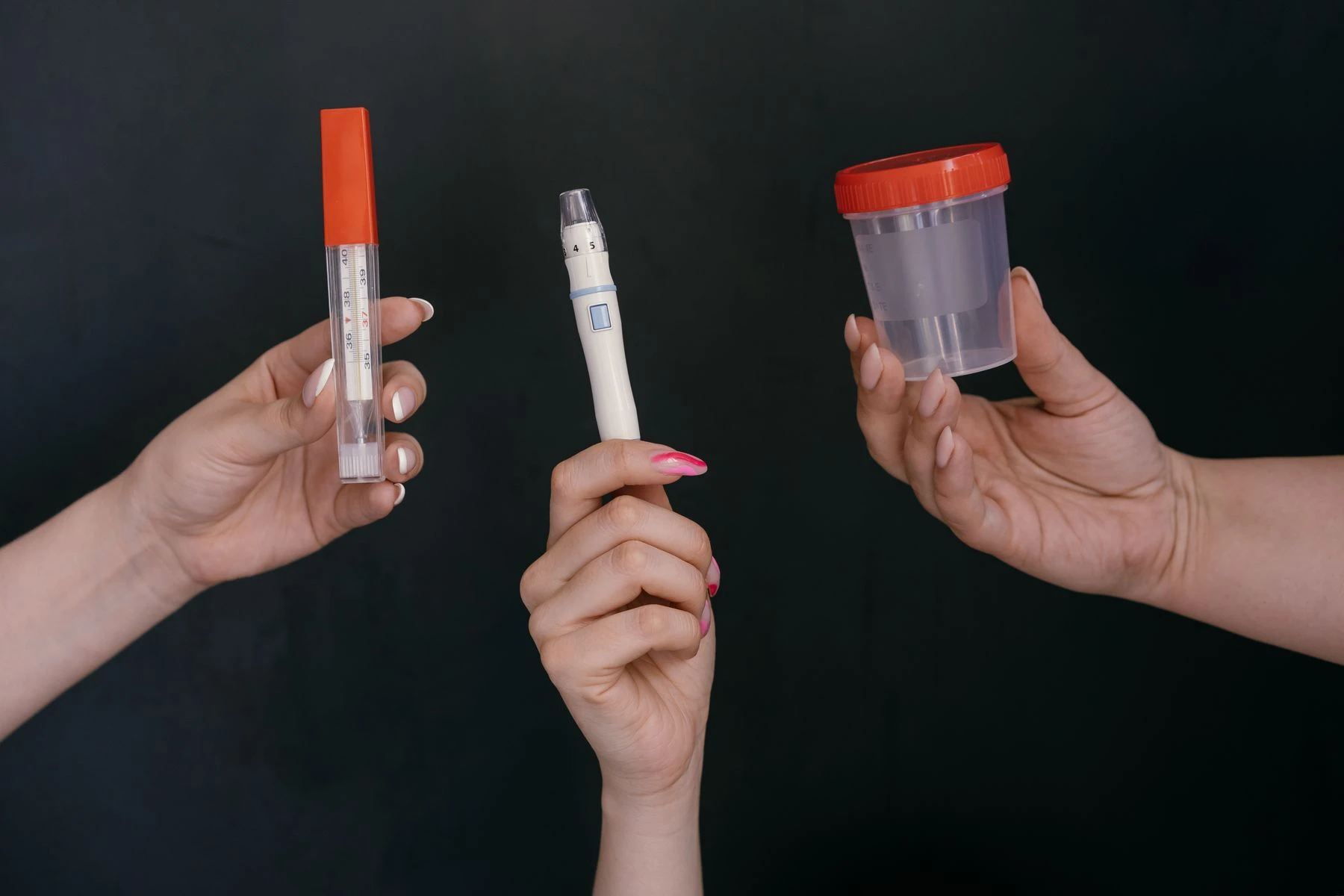
Urine Color As A Clue
Urine color often changes as your body’s water balance changes. When you drink more fluids, urine usually becomes lighter because the kidneys dilute the urine. When you drink less, urine often becomes darker because the kidneys concentrate it to conserve water.
In daily life, you can see this after a long gap between drinks, after exercise, during hot weather, or overnight. For example, first-morning urine is commonly darker than mid-day urine because you have not been drinking for hours and you may have mild overnight concentration. That pattern alone does not automatically signal dehydration.
Urine color is sometimes described using a “scale,” such as a light-to-dark spectrum. These scales are helpful for trend spotting, but they are not a direct measurement of hydration level. Hydration status depends on more than urine appearance, including blood chemistry, kidney function, sweat losses, and medications.
How To Interpret The Pattern
Urine color works best when you look for a pattern over time and compare it with your fluid intake, activity, and symptoms. A practical approach is to pair urine appearance with urine frequency and thirst.
If urine is consistently very dark across the day, you are likely drinking less than your losses. If urine is consistently very pale, you may be drinking more than needed, or you may have a condition that affects urine concentration. If urine color fluctuates widely, consider recent changes in drinking, exercise, heat exposure, diet, and medications.
Pay attention to symptoms that do not fit a simple hydration explanation. Burning with urination, fever, flank pain, new incontinence, or foul odor can point toward causes other than dehydration. Severe thirst, dizziness, confusion, or fainting also warrants prompt medical evaluation.
Practical Steps For Better Clues
Use A Simple Color Check
Pick a consistent time window, such as mid-morning and late afternoon, and compare urine color under similar lighting. Use a color reference if you have one, but treat it as a trend tool rather than a precise meter. In practice, urine that stays in the darker range for multiple voids across the day often means you are not replacing fluid losses.
What to look for: urine that gradually lightens after you drink more fluids, followed by a return to darker color when you stop. This “response” pattern is more informative than a single snapshot.
Realistic outcome: many people notice lighter urine within a few hours after increased drinking, though timing varies with kidney function, body size, and how much fluid was consumed.
Pair Color With Frequency
Track how often you urinate alongside color. A common hydration pattern is fewer, darker voids when intake is low, and more frequent, lighter voids when intake is higher. If you are drinking normally but urinating much less than usual, that pattern can suggest inadequate intake, increased losses, or another issue that needs evaluation.
What it looks like: during a typical day, many adults urinate several times. If you notice a clear reduction for more than a day, especially with dark urine or symptoms like dizziness, it is reasonable to seek medical advice.
Tools: a simple log in a phone note or hydration app can record time, color, and any symptoms. The goal is to detect trends, not to chase perfect numbers.
Account For Diet And Drugs
Before interpreting color changes as hydration-related, review recent changes in foods, supplements, and medications. Bright yellow urine after a multivitamin is often related to riboflavin (vitamin B2). Orange urine can occur with certain foods or medications. Red or brown urine can be diet-related in some cases, but blood-related causes must be considered when the color is persistent or accompanied by pain.
What to do: if you started a new medication or supplement, note the start date and compare the timing with the color change. If you recently ate foods with strong pigments, consider whether the color change matches the meal timing.
Realistic outcome: accounting for these factors prevents unnecessary concern when the color change follows a predictable trigger.
Know When To Get Help
Seek prompt medical advice if urine color is red, brown, or tea-colored and does not clearly match diet or a known medication effect, especially if you have pain, fever, burning, or clots. Also seek care for symptoms of dehydration that go beyond dark urine, such as confusion, severe weakness, inability to keep fluids down, or very low urine output.
What it looks like: persistent abnormal color across multiple days, worsening symptoms, or new urinary symptoms that interfere with daily activities.
Limitations: urine color cannot rule out serious causes. When symptoms and duration do not fit a simple hydration explanation, clinical evaluation is appropriate.
Case Examples For Context
Example 1: Morning Darkening
A 34-year-old reports darker first-morning urine for several days. Midday urine is lighter, and the person drinks water regularly during the day. There is no burning, fever, or pain. The pattern matches overnight concentration, and the person’s urine lightens after daytime fluids.
Interpretation: the trend suggests normal concentration rather than a persistent problem, especially because the color improves after intake and no urinary symptoms are present.
Example 2: Red Tint After Supplements
A 52-year-old notices pinkish urine after starting a new supplement and eating beets. The color resolves within a day after stopping the supplement and avoiding beets. There is no flank pain, fever, or burning.
Interpretation: diet or supplement-related pigments can tint urine. Because red urine can also reflect blood, the short duration and clear trigger reduce concern, but persistent recurrence would warrant medical evaluation.
Color Vs Hydration Checklist
| Observation | Most Common Hydration-Related Meaning | Non-Hydration Explanations To Consider | When To Seek Care |
|---|---|---|---|
| Very dark yellow for multiple voids | Often indicates concentrated urine from lower intake or higher losses | Vitamins, some medications, heavy sweating, diarrhea | If accompanied by dizziness, very low urine output, or persistent symptoms |
| Light/pale most of the day | May reflect higher fluid intake or lower urine concentration | Recent high water intake, diuretics, conditions affecting urine concentration | If paired with excessive thirst, frequent urination, or weakness |
| Pink/red or clots | Not a reliable hydration sign; blood can be involved | Foods (beets), medications, infection, stones | If persistent, recurrent, or with pain, fever, burning, or clots |
| Brown/tea-colored | May reflect concentrated urine, but blood breakdown causes are possible | Certain medications, dehydration, liver or blood-related causes | If persistent or accompanied by fatigue, jaundice, dark stools, or pain |
| Cloudy urine | Can occur with crystals or concentrated urine | Urinary infection, dehydration, phosphate crystals | If cloudy urine persists with burning, odor, fever, or flank pain |
Common Mistakes To Avoid
- Overreacting to one sample: urine color changes within hours based on recent drinking, sweat, and meals.
- Ignoring medication and supplements: B vitamins and some drugs can shift color dramatically without reflecting hydration.
- Chasing a single “ideal” shade: the right interpretation depends on your baseline, activity level, and typical intake.
- Assuming pale urine means safety: urine can look light after drinking and still coexist with symptoms from other causes.
- Missing red flags: persistent red, brown, or tea-colored urine, especially with pain or fever, should not be treated as a hydration-only issue.
FAQ
Does Dark Urine Always Mean Dehydration?
Dark urine often reflects concentrated urine, which can happen with low fluid intake or higher losses. Diet, vitamins, and medications can also darken urine, so the pattern across the day and the presence of symptoms matter.
Why Is First-Morning Urine Darker?
Overnight you do not drink for hours, so the kidneys concentrate urine to conserve water. Many people see darker first-morning urine even with adequate daytime hydration.
Can Vitamins Change Urine Color?
Yes. B-complex vitamins can turn urine bright yellow because riboflavin is excreted in urine. This color change does not necessarily indicate dehydration.
What Does Pink Or Red Urine Mean?
Pink or red urine can result from blood, certain foods like beets, or medications. Persistent or recurrent red urine, especially with pain, burning, fever, or clots, needs medical evaluation.
Is Cloudy Urine A Hydration Problem?
Cloudy urine can occur with crystals, concentrated urine, or urinary infections. If cloudiness persists or comes with burning, odor, fever, or flank pain, it is reasonable to seek medical advice.
Author's Insight
Urine color is a practical signal because the kidneys adjust urine concentration based on water and solute balance. That same biology also explains why urine color can mislead when diet, supplements, medications, or kidney concentrating ability change urine appearance. The most useful approach is trend-based interpretation paired with urine frequency and symptoms. When urine color is persistently abnormal or accompanied by pain, fever, or urinary symptoms, clinical assessment is more reliable than hydration guessing.
Key Takeaways
- Urine color often tracks concentration, which changes with fluid intake, sweat, and illness.
- One urine sample rarely tells the full story; look for patterns across the day.
- Diet, vitamins, and medications can shift color without reflecting hydration.
- Red, brown/tea-colored, or persistent cloudy urine with symptoms should prompt medical evaluation.