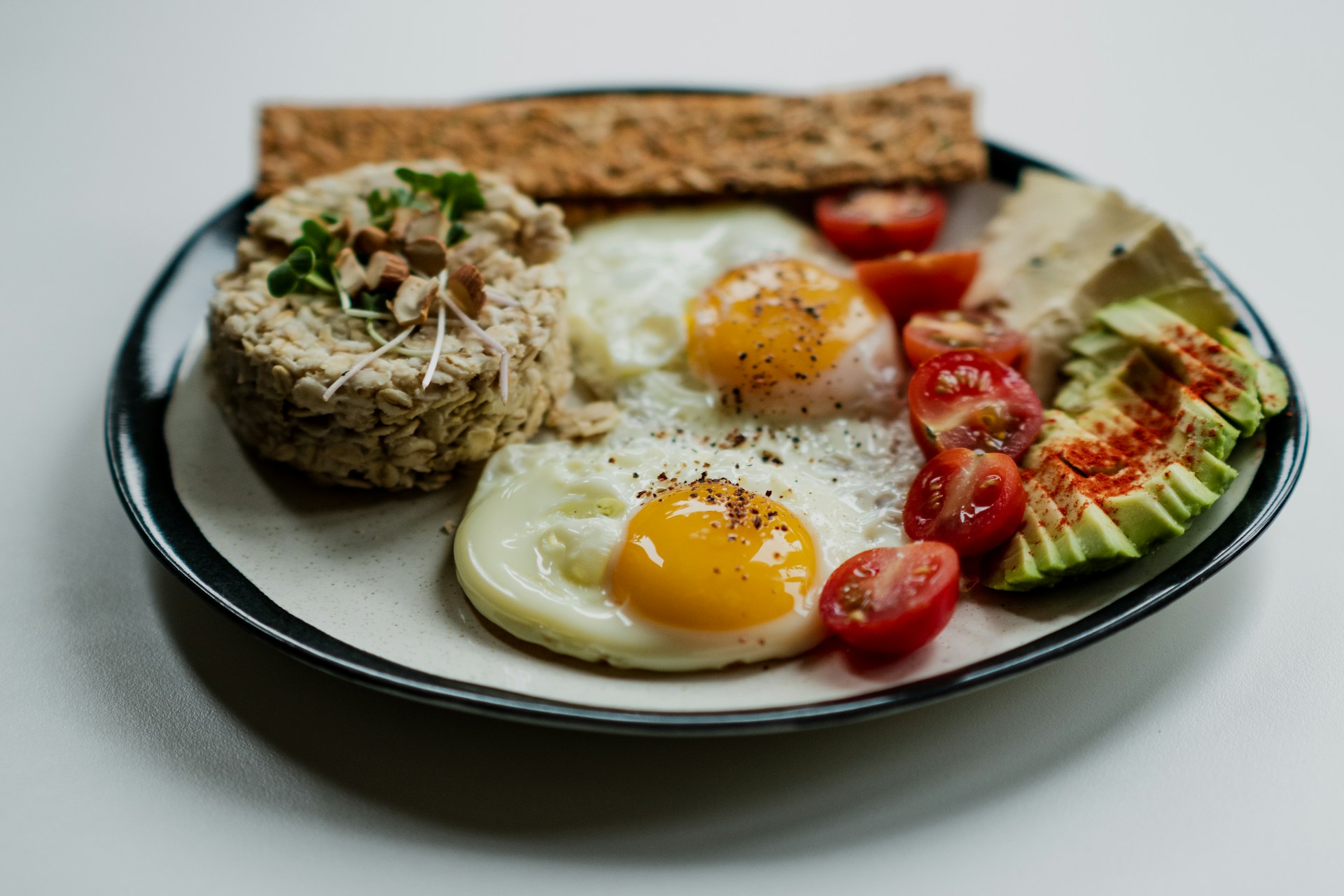
Balanced Plate Basics
A balanced plate is a visual method for composing a meal: half the plate is non-starchy vegetables, one quarter is protein, and one quarter is starch or whole grains. A small portion of healthy fats fits naturally, often as part of cooking or dressing rather than as a separate large section. This approach aligns with how many dietary patterns are structured around fiber, protein, and unsaturated fats.
Two evidence-based facts help ground the method. First, dietary fiber from plant foods improves stool regularity and supports gut microbiome diversity; adults in many countries consume less fiber than recommended, which can contribute to constipation and less favorable metabolic markers. Second, replacing refined grains with whole grains tends to improve glycemic control and lipid profiles in controlled feeding studies, largely because whole grains deliver fiber and a different carbohydrate structure than refined starches.
In practice, a “plate” can be a dinner plate, a meal bowl, or a meal-prep container. The goal is portion awareness at the meal level, not perfection at every bite. For example, a lunch plate with salad plus beans, or a dinner plate with roasted vegetables plus fish and brown rice, can both fit the same structure even when flavors differ.
Common Plate Mistakes
People often overestimate how much “healthy” food they can eat without consequences. Even foods that are nutrient-dense can raise total calories when portions expand, which can lead to gradual weight gain for some people. The biological mechanism is straightforward: energy intake exceeding energy expenditure drives fat storage over time, regardless of whether the food is “clean” or “processed.”
A second mistake is treating starch as the default center of the meal. When starch takes most of the plate, fiber drops and the meal becomes more rapidly digestible for many people, which can increase post-meal blood glucose and hunger later. Carbohydrates are not inherently harmful, but the type and amount matter; refined grains and sugary drinks digest quickly and can produce larger glucose excursions than whole grains and legumes.
A third mistake is under-sizing vegetables. Non-starchy vegetables contribute volume with relatively low energy density, which helps people feel full while keeping calories in check. When vegetables are minimal, meals often become easier to overeat because the plate lacks bulk and fiber.
Another frequent issue is “protein-only” plates that exclude fiber-rich plants. High-protein meals can be satisfying, but without vegetables and whole grains, fiber intake may remain low. Low fiber can affect bowel habits and may worsen cholesterol markers for some people because fiber helps bind bile acids and supports favorable lipid metabolism.
Finally, people sometimes confuse “fat-free” with “healthy.” Removing all fats can lead to bland meals that are harder to stick with, and it can also reduce absorption of fat-soluble vitamins from vegetables. The better target is the type and amount of fat, not zero fat.
Build your Plate Stepwise
Start with half vegetables
Choose non-starchy vegetables for about half the plate: leafy greens, broccoli, peppers, carrots, cucumbers, mushrooms, zucchini, and similar options. This works because these foods deliver fiber and micronutrients with relatively low energy density, which supports fullness and steadier digestion for many people.
In practice, aim for 2 to 3 cups of vegetables at lunch or dinner, depending on appetite and body size. A realistic visual cue is two fists of vegetables for many adults, then adjust up or down. If you struggle with volume, start with one cup and add gradually over a week.
Tools that help include pre-chopped vegetables, frozen vegetable mixes, and a “two-vegetable rule” (for example, one cooked vegetable plus one salad component). Sauces matter: creamy dressings and sugary glazes can add calories quickly, so measure or portion them.
Add a quarter protein
Place protein on about one quarter of the plate: fish, poultry, eggs, tofu, tempeh, beans, lentils, Greek yogurt, or lean meat. Protein supports satiety and helps preserve lean mass during weight loss for many people, largely through its amino acid content and effects on appetite hormones.
For portion size, many adults land around 20–30 grams of protein per meal, though needs vary with body size, activity, and overall diet. A practical method is to use the palm rule: roughly one palm-sized portion of meat or fish, or about one cup of cooked beans/lentils.
In practice, rotate protein sources to cover different micronutrients. For example, seafood adds omega-3 fats, legumes add fiber and minerals, and dairy adds calcium and protein. If you use plant proteins, pair them with vegetables and whole grains to keep fiber high.
Choose smart starch portions
Reserve the remaining quarter for starch or whole grains, such as brown rice, quinoa, oats, whole-wheat pasta, barley, potatoes (especially with skin), or corn. This works because carbohydrate quality and portion size influence blood glucose response and satiety.
Typical portions for many adults are about 1/2 to 1 cup cooked grains or 1 medium potato, depending on the grain and the rest of the plate. If you want a simple starting point, begin with 1/2 cup cooked grains and add only if you still feel unsatisfied after the meal.
Tools include measuring cups for a week, then switching to visual cues. A “half-plate vegetables” approach often reduces the need for large starch portions without eliminating them.
Use fats in measured ways
Healthy fats fit as a small addition rather than a dominant plate section. Examples include olive oil, avocado, nuts, seeds, and fatty fish. Fats improve flavor and help absorb fat-soluble vitamins from vegetables, but they are calorie-dense.
Realistic portions for many people are about 1 to 2 teaspoons of oil for cooking or dressing, or a small handful of nuts (around 1 ounce) if used as a snack component. If you pour oil “by eye,” calories can rise quickly without changing the plate structure.
Practical methods include using a spray bottle, pre-portioned nuts, or a small ramekin for dressing. If you’re tracking intake, fats are often the easiest category to overestimate.
Plan drinks and add-ons
Drinks and add-ons can shift a balanced plate into an unbalanced calorie load. Sugary beverages, sweetened coffee drinks, and alcohol can add substantial calories without fiber or protein.
A practical target is water, unsweetened tea, or sparkling water most of the time. If you use alcohol, keep it modest and consider how it affects appetite and sleep; alcohol can also worsen reflux for some people.
For add-ons like bread, desserts, or chips, decide whether they replace part of the plate or sit on top of it. A common strategy is to treat them as a “swap” for the starch portion rather than an extra.
Adjust for hunger and goals
Balanced plates can be adapted for different needs without changing the core structure. If you are very active, you may need a larger starch portion; if you are less active, you may do better with slightly smaller starch and more vegetables.
For weight management, the most reliable lever is total energy intake over time. A plate method helps because it reduces decision fatigue and keeps fiber higher, which can lower hunger for many people.
Realistic outcomes vary by person, but many people find that plate-based meals reduce snacking and improve consistency. If you notice persistent hunger, consider increasing vegetables first, then protein, and only then starch.
Make it repeatable
Consistency matters more than novelty. Build a short list of “default meals” that match the plate structure: for example, stir-fry with tofu and mixed vegetables plus brown rice; chili with beans and peppers plus a side salad; or salmon with roasted vegetables and quinoa.
Meal prep can reduce the chance of defaulting to refined starch-heavy meals. Frozen vegetables, canned beans (rinsed), and whole-grain options stored in the pantry make it easier to assemble plates quickly.
Use labels to guide choices: look for whole grains as the first ingredient and check added sugar in sauces. If a sauce contains significant added sugar, reduce the amount or choose a lower-sugar option.
Educational Case Examples
Example 1: Lunch at work
Scenario: A person brings lunch and often eats a sandwich plus chips. They switch to a bowl with half non-starchy vegetables (mixed greens, cucumber, tomatoes), one quarter protein (chicken or chickpeas), and one quarter whole grain or starch (whole-grain wrap or quinoa). They add 1 teaspoon of olive-oil based dressing instead of a large creamy sauce. Result: the meal includes more fiber and protein, which can reduce mid-afternoon hunger compared with a sandwich-and-chips pattern.
Example 2: Dinner with pasta
Scenario: A person serves pasta as the main portion and adds a small side salad. They adjust by increasing vegetables in the sauce (mushrooms, peppers, spinach) so vegetables take up about half the plate, keeping protein at one quarter (lean meat, fish, or lentils), and reducing pasta to about one quarter. They measure oil and avoid sugary bottled sauces. Result: the plate still includes pasta, but the meal shifts toward higher fiber and a smaller starch portion.
Checklist and Comparison
| Plate element | What it looks like | Common mismatch | What to adjust first |
|---|---|---|---|
| Vegetables | ~1/2 plate, non-starchy (2–3 cups typical) | Small side salad, mostly starch | Add one extra vegetable component |
| Protein | ~1/4 plate (20–30 g per meal for many) | Protein absent or very small | Increase protein portion before adding starch |
| Starch/whole grains | ~1/4 plate (1/2–1 cup cooked grains) | Pasta/rice fills most of the plate | Reduce starch portion; keep vegetables high |
| Fats | Small measured amount (1–2 tsp oil or 1 oz nuts) | Oil poured freely or large nut portions | Measure once, then switch to visual cues |
| Drinks | Water/unsweetened beverages most meals | Sugary drinks added on top | Replace the drink first |
Common Mistakes
One mistake is using the plate method while ignoring portion size of the “healthy” foods. A bowl can look like half vegetables but still contain large amounts of oil, cheese, or nuts that raise calories.
Another mistake is relying on labels without checking added sugar and refined flour. A “whole grain” product can still be high in added sugar, and a sauce can contain more sugar than the vegetables contribute.
Some people also misread the method as a strict rule for every meal. The plate approach is a planning tool; occasional deviations are normal, and the overall pattern across days matters more than one meal.
People with medical conditions that affect diet (such as diabetes management, kidney disease, or swallowing difficulties) may need different portion targets. A plate method can still help with structure, but it should be adapted with clinician or dietitian guidance.
Finally, people sometimes skip fiber when they feel bloated. If fiber intake is low, increasing vegetables gradually and choosing cooked options can reduce discomfort for many people.
FAQ
Does a balanced plate work for weight loss?
It can help with weight management by improving meal structure: more vegetables and adequate protein often increase fullness, while smaller starch portions can reduce total calories. Weight change depends on the overall energy balance across days, not only on plate composition.
What counts as non-starchy vegetables?
Non-starchy vegetables include leafy greens, broccoli, cauliflower, peppers, cucumbers, zucchini, mushrooms, and most salad vegetables. Starchy vegetables like potatoes and corn fit better in the starch/whole grain quarter rather than the vegetable half.
How much protein should I put on my plate?
Many adults aim for roughly 20–30 grams of protein per meal, but needs vary with body size, age, and activity. A practical starting point is a palm-sized portion of meat/fish or about one cup of cooked beans/lentils, then adjust based on hunger and overall diet.
Can I eat bread or pasta and still use the plate method?
Yes. Bread and pasta fit best when they replace part of the starch/whole grain quarter rather than adding on top of it. Choosing whole-grain versions and keeping portions moderate helps maintain fiber and steadier digestion.
Is the plate method suitable for vegetarians?
Vegetarian plates can match the same structure by using tofu, tempeh, eggs, dairy, or legumes for the protein quarter and using whole grains for the starch quarter. The key is keeping fiber high with vegetables and legumes while watching added fats in sauces and dressings.
Author's Insight
A balanced plate is a behavior tool: it turns nutrition advice into a repeatable meal assembly process. The strongest rationale comes from how fiber-rich plants and adequate protein affect satiety and digestion, and from how refined starches tend to produce different glucose responses than whole grains. The method also reduces decision fatigue by giving a default portion layout.
Its limits are real. People with specific dietary restrictions, medication-related needs, or medical conditions may require different targets for carbohydrate, sodium, potassium, or protein. A plate can guide structure, but it does not replace individualized nutrition planning.
When you use the plate method, track what changes in your day-to-day eating: hunger timing, snack frequency, and how meals fit your schedule. If those signals do not improve, adjust portions in the order that usually matters most—vegetables first, then protein, then starch and fats.
Key Takeaways
A balanced plate typically uses half non-starchy vegetables, one quarter protein, and one quarter starch/whole grains, with fats added in small measured amounts. This structure helps many people increase fiber and protein while keeping starch portions reasonable, which can improve fullness and meal consistency.
Start with one change for a week: add an extra vegetable component, measure starch once, or swap sugary drinks for unsweetened beverages. Expect variation by appetite and activity, and treat the plate as a planning framework rather than a strict rule for every meal.
Seek professional medical advice if you have a condition that affects diet choices, such as diabetes, kidney disease, eating disorders, or swallowing problems. A clinician or registered dietitian can translate the plate concept into targets that match your health needs and medications.