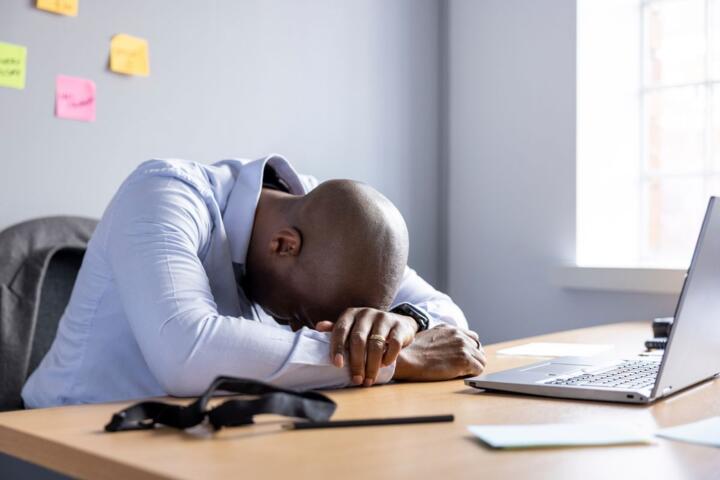
Afternoon Energy Slumps
Many people notice a predictable drop in alertness between late morning and mid-afternoon. It may feel like sleepiness, brain fog, low motivation, or a need to lie down. A common example is the “post-lunch crash,” where concentration drops 1–3 hours after eating, even when the morning started well.
Not every afternoon dip is the same. Some people feel sleepy, others feel irritable, and some feel physically heavy without obvious sleepiness. The timing can also differ: a slump that begins before lunch often points to factors like sleep debt, low morning activity, or stress load, while a slump that tracks meal timing often points toward digestion and blood-glucose regulation.
Because the causes overlap, the most useful approach is to observe patterns for a week: what you ate, when you drank fluids, how long you slept, how much light you got in the morning, and whether the dip coincides with meetings, commuting, or high cognitive demand.
What People Get Wrong
A frequent mistake is treating the dip as purely a “willpower” problem. Sleepiness and reduced concentration can arise from normal physiology, including circadian rhythms and glucose regulation, not just personal discipline.
Another common misread is blaming caffeine for everything. Caffeine can improve alertness for several hours, but it does not fix the underlying drivers of the slump. If caffeine is used late in the day, it can also worsen sleep quality, which then feeds back into next-day fatigue.
Blood-sugar swings are a major mechanism behind post-meal crashes. After a meal, insulin helps move glucose into tissues. If a meal is high in refined carbohydrates and low in fiber or protein, glucose can rise quickly and then fall faster, which may contribute to sleepiness and reduced cognitive performance. Individual responses vary based on insulin sensitivity, meal composition, and prior food intake.
Meal size and timing matter too. Large lunches can shift more blood flow toward digestion and increase perceived fatigue. Eating very close to a demanding work block can also leave less time for digestion and recovery, especially if you sit for long periods.
Sleep debt and circadian misalignment can create a baseline low-energy state that becomes more noticeable after lunch. Even if you “feel fine” in the morning, reduced sleep can impair attention and executive function, making the afternoon slump feel steeper.
Dehydration and low electrolytes can contribute to headaches, reduced stamina, and a general sense of sluggishness. Mild dehydration can occur without obvious thirst, especially with air conditioning, commuting, or high caffeine intake.
Stress and workload can also drive afternoon fatigue. Elevated stress hormones can increase mental strain and reduce perceived energy. When stress is sustained, the body may shift into a “conserve resources” mode, which feels like low motivation or mental fog.
Less common but important contributors include anemia, thyroid disorders, sleep apnea, medication side effects, and mood disorders. These are not the most likely explanation for every afternoon dip, but persistent or worsening symptoms deserve medical evaluation.
Fixes That Often Help
Adjust Meals for Glucose
To reduce post-lunch crashes, aim for meals that slow glucose absorption. In practice, this means pairing carbohydrates with protein and fiber. Examples include adding beans or lentils to rice, choosing whole grains over refined grains, and including vegetables and a protein source such as yogurt, eggs, fish, tofu, or chicken.
Why it works: fiber and protein reduce the speed of carbohydrate digestion and can blunt rapid glucose peaks. A steadier glucose pattern tends to support more consistent attention in the hours after eating, though individual responses vary.
What it looks like: instead of a sandwich made with white bread and minimal filling, you might choose whole-grain bread with lean protein and vegetables, or a bowl with quinoa, vegetables, and a protein. If you track meals, you may notice that dips are less intense when lunch includes at least one fiber-rich component (vegetables, beans, fruit with skin) and one protein component.
Relevant tools: a simple meal log with time, portion size, and a quick note on energy 1–3 hours later can help you identify which meal patterns correlate with the slump. If you use a glucose monitor, interpret results cautiously and consider discussing patterns with a clinician, since monitors can be influenced by many factors.
Realistic outcomes: many people see a modest improvement in alertness rather than a complete elimination of the afternoon dip, especially if sleep and stress remain unchanged.
Time Light and Movement
Morning light exposure and brief movement breaks can reduce the depth of the afternoon slump. In practice, get outdoor light within an hour of waking when possible, then schedule short activity during the workday.
Why it works: bright light helps anchor circadian timing, and movement increases blood flow and alertness through multiple pathways, including changes in autonomic arousal and reduced sedentary effects.
What it looks like: a 10–20 minute walk outside in the morning, followed by 2–5 minute standing or walking breaks every 60–90 minutes. If you cannot go outside, indoor bright light can still help, though it may be less intense than outdoor daylight.
Relevant tools: a phone timer for movement breaks, step goals that match your baseline activity, and a “no-meeting” window for a short walk can make the routine easier to sustain.
Realistic outcomes: movement breaks often improve subjective alertness quickly, but they do not replace sleep or address meal-related glucose swings.
Use Caffeine With Limits
Caffeine can help, but timing and total dose matter. In practice, many people benefit from using caffeine earlier in the day and avoiding large doses late afternoon or evening.
Why it works: caffeine blocks adenosine receptors, reducing perceived sleepiness. If caffeine delays sleep onset or worsens sleep quality, the next day’s afternoon energy can drop due to accumulated sleep debt.
What it looks like: if you drink coffee, consider finishing it by early afternoon and using smaller amounts rather than a large late dose. If you are sensitive, even morning caffeine can affect sleep; track bedtime and sleep quality for a week to see patterns.
Relevant tools: a caffeine log (time and amount) and a sleep diary. If you use energy drinks, check caffeine content because serving sizes vary.
Realistic outcomes: caffeine can shift the timing of alertness, but it does not correct underlying causes like poor sleep, dehydration, or meal composition.
Hydrate and Plan Breaks
Hydration supports physical comfort and cognitive performance. In practice, drink water regularly rather than waiting until you feel thirsty, and consider adding fluids with meals.
Why it works: mild dehydration can worsen fatigue and concentration. Sweating during commuting, workouts, or hot indoor environments can increase fluid needs.
What it looks like: a glass of water with breakfast, another with lunch, and small sips during the afternoon. If you sweat heavily or exercise, you may need fluids beyond plain water; electrolyte needs vary by activity and diet.
Relevant tools: a reusable bottle with volume markings and a reminder schedule. If you have kidney disease, heart failure, or are on fluid restrictions, follow your clinician’s guidance rather than general advice.
Realistic outcomes: hydration changes often help when dehydration is a contributing factor, but they may not resolve afternoon dips driven mainly by sleep or glucose patterns.
Educational Case Examples
Case 1: Post-Lunch Crash
A 34-year-old office worker reports a strong slump 90 minutes after lunch. Their lunch usually includes a large bowl of white rice with a sweet sauce and minimal vegetables, followed by a caffeinated drink. After switching to a smaller portion of rice, adding beans and vegetables, and pairing lunch with a protein source, the slump becomes less intense and starts later. They still feel tired, but they can complete tasks without needing to “power through” as much.
Case 2: Sleep Debt and Meetings
A 45-year-old reports low energy before lunch and persistent sleepiness in the afternoon. Their sleep schedule is inconsistent on weekdays, and they often stay indoors with low light exposure. They add a morning outdoor walk, schedule two short movement breaks during long meetings, and reduce late-day caffeine. Over two weeks, they notice improved alertness earlier in the day and less reliance on caffeine to stay focused.
Afternoon Dip Checklist
| Possible Driver | Clue in Daily Pattern | What to Try for 1 Week | What Improvement Might Look Like |
|---|---|---|---|
| Meal-related glucose dip | Energy drops 1–3 hours after lunch; lunch is high in refined carbs | Add fiber and protein to lunch; reduce refined carbs; keep portions moderate | Less sleepiness after lunch; steadier focus |
| Sleep debt | Low energy starts before lunch; weekend sleep helps temporarily | Keep a consistent sleep window; reduce late caffeine; track bedtime and wake time | Improved alertness across the day |
| Sedentary time | Slump worsens during long seated blocks | Stand or walk 2–5 minutes every 60–90 minutes | Short-term alertness boosts during the afternoon |
| Hydration gap | Dry mouth, headaches, or fatigue that improves after fluids | Drink water regularly; include fluids with meals; adjust for heat/exercise | Less sluggishness and better concentration |
Common Mistakes
Skipping breakfast and then eating a large lunch can intensify glucose swings. If you prefer not to eat early, consider a smaller breakfast or a balanced snack to reduce the size of the lunch spike.
Choosing “energy” snacks that are mostly sugar can worsen the crash. A snack with refined carbohydrates alone often produces a quick rise and faster fall, which can feel like a second slump later.
Using caffeine as a substitute for sleep can create a cycle. If you notice that caffeine helps on workdays but sleep quality worsens, the afternoon dip often returns the next day.
Ignoring light exposure can keep circadian timing less stable. People who spend most of the morning indoors with dim light may notice a deeper afternoon slump even with adequate sleep.
Working through every break can backfire. Long uninterrupted sitting can reduce alertness and increase discomfort, which then feels like mental fatigue.
Assuming every dip is normal can delay evaluation. If afternoon sleepiness is severe, persistent, or accompanied by loud snoring, witnessed pauses in breathing, unexplained weight change, or symptoms of anemia (such as unusual shortness of breath with exertion), medical assessment is appropriate.
FAQ
Why do I feel sleepy after lunch?
Sleepiness after lunch often follows meal timing and composition. Large or high-refined-carbohydrate meals can trigger faster glucose changes, and digestion plus reduced alertness from circadian timing can combine to create a slump.
Can dehydration cause an afternoon energy dip?
Mild dehydration can contribute to fatigue and reduced concentration, especially when you sweat, drink little water, or consume lots of caffeine. If symptoms improve after fluids, hydration may be a contributing factor.
How much caffeine is too much for afternoon fatigue?
There is no single safe number for everyone. The main issue is whether caffeine delays sleep onset or worsens sleep quality; tracking bedtime and sleep duration helps you identify a personal limit.
Does exercise help with afternoon energy?
Short movement breaks can improve alertness quickly by reducing sedentary effects and increasing arousal. Regular activity also supports sleep quality, which can reduce afternoon fatigue over time.
When should I talk to a clinician about afternoon sleepiness?
Consider medical evaluation if sleepiness is severe, worsening, interferes with driving or work safety, or comes with symptoms such as loud snoring, breathing pauses during sleep, anemia signs, thyroid symptoms, or medication-related changes.
Author's Insight
Afternoon energy dips usually reflect a mix of circadian timing, sleep history, meal-related glucose dynamics, hydration status, and workload patterns. The most informative step is pattern tracking: when the dip starts, what you ate, how long you slept, and whether it changes with light exposure and movement. Interventions tend to work best when they match the pattern, such as adjusting lunch composition for post-meal crashes or improving sleep regularity for pre-lunch fatigue. If symptoms are persistent and disruptive, it is reasonable to seek medical advice to rule out treatable causes.
Key Takeaways
- Afternoon slumps often follow predictable timing tied to meals, sleep, and circadian rhythms.
- Balanced lunches with protein and fiber can reduce post-meal crashes for many people.
- Morning light and short movement breaks can improve alertness during long seated work.
- Caffeine helps some people, but late-day use can worsen sleep and deepen next-day fatigue.
- Severe or persistent sleepiness, especially with red-flag symptoms, warrants medical evaluation.