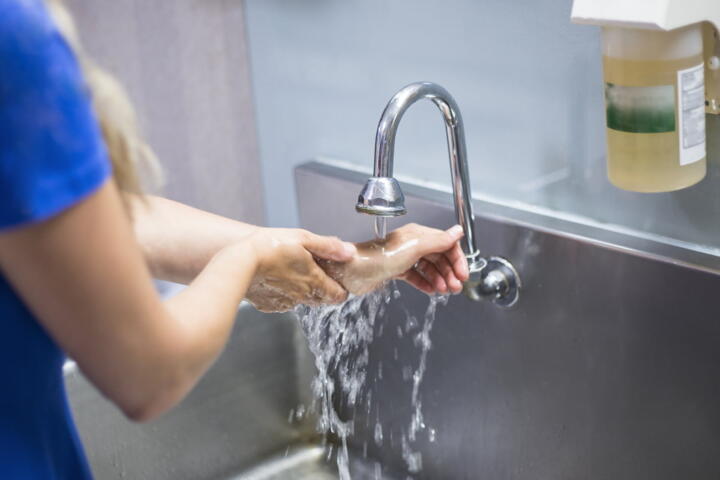
Hand Hygiene And Prevention
Good hand hygiene is a set of behaviors that reduces the number of germs on hands so they are less likely to move from one surface or person to another. The prevention targets are not “all infections,” but the transmission routes that hands commonly carry: touching the nose, mouth, and eyes; handling food; and contacting shared objects such as door handles, phones, and keyboards.
In practical terms, hand hygiene interrupts a chain. A germ leaves a reservoir (skin, stool, respiratory secretions, contaminated surfaces), transfers to hands during contact, then reaches a susceptible site (mouth, nose, eyes, or a break in skin). When hand hygiene removes or inactivates germs at the right moments, fewer organisms reach those entry points.
Examples include washing after using a restroom, sanitizing after helping a child who has a runny nose, and cleaning hands after touching a trash bag or diaper. These are moments when hands are likely to pick up germs that can later be transferred to mucous membranes or food.
What People Get Wrong
Many people treat hand hygiene as a general habit rather than a timing-based intervention. Germ transfer happens during specific contacts, so prevention depends on washing or sanitizing after those contacts and before touching high-risk areas like the face or food.
Another common error is assuming that a quick rinse is equivalent to proper handwashing. Water alone does not reliably remove organisms embedded in skin oils and debris. Soap helps lift and suspend germs so they can be rinsed away, and friction during washing increases removal.
Hand sanitizer also has limits. Alcohol-based products inactivate many bacteria and viruses, but they work best on hands that are not visibly dirty. If hands are greasy, sticky, or contaminated with bodily fluids, sanitizer may not reach germs effectively, and soap-and-water becomes the better option.
People sometimes overestimate what hand hygiene can prevent. It reduces transmission through hands, but it does not stop airborne spread from coughing in close proximity, and it does not replace cleaning of high-touch surfaces in shared spaces.
Biologically, germs differ in how they survive on skin and how sensitive they are to alcohol. Some organisms are more resistant to alcohol, and some are protected by organic material. That is why technique, product choice, and the presence of visible soil matter.
Real-world consequences of poor hand hygiene include higher risk of gastrointestinal illness after fecal-oral contamination, increased spread of respiratory viruses in households and schools, and more frequent transmission of skin and eye infections when hands repeatedly touch mucous membranes.
Solutions And Recommendations
Use Soap When Hands Are Dirty
Choose soap and water when hands are visibly soiled, after using the restroom, after handling diapers or bodily fluids, and after caring for someone who is ill with vomiting or diarrhea. Soap removes dirt and bodily residues that can shield germs, while friction during washing helps physically remove organisms from skin.
In practice, wash long enough to cover the full hand surfaces: palms, backs of hands, between fingers, thumbs, fingertips, and the area around fingernails. A practical target is about 20 seconds of rubbing, followed by thorough rinsing and drying with a clean towel or air dry.
Drying matters because damp hands transfer germs more easily. If you use a shared towel, avoid re-contaminating clean hands by touching the towel with already-clean fingers.
Sanitize Between High-Touch Moments
Use alcohol-based hand sanitizer when soap and water are not available and hands are not visibly dirty. Alcohol-based products reduce many bacteria and viruses by disrupting proteins and membranes, which prevents replication.
In practice, apply enough product to keep hands wet for the full rub time listed on the label, then rub until dry. If hands dry quickly, you may need more product to maintain contact time. Avoid wiping sanitizer off immediately, since that shortens exposure.
Look for products with alcohol content in the typical range used for hand disinfection (often around 60%–95% alcohol by volume). Lower-alcohol products may be less reliable for germ inactivation.
Match Timing To Transmission Risk
Hand hygiene works best when timed to prevent transfer to mucous membranes and food. Key moments include before eating or preparing food, after touching shared surfaces in public settings, after coughing or sneezing, after touching your phone or keys during travel, and after handling trash.
For households, timing can be anchored to predictable events: after school drop-off, after returning from errands, before cooking, and after cleaning up spills. For caregivers, sanitize or wash after contact with bodily fluids and before touching the person again.
When you touch your face, treat it as a cue to clean hands afterward, especially if you touched your nose, eyes, or mouth. This reduces the chance that germs on your hands reach entry points.
Improve Technique And Skin Tolerance
Technique affects both removal and coverage. Many people miss the backs of hands, fingertips, and the web spaces between fingers. A simple method is to rotate hands so each surface gets friction for the full wash or rub time.
Frequent washing can irritate skin, which may lead to cracks that increase susceptibility to some skin infections. Using fragrance-free moisturizers after hand hygiene can reduce irritation. If you notice persistent cracking, bleeding, or dermatitis, consider discussing skin care options with a clinician.
Wear gloves when appropriate, but remember that gloves do not replace hand hygiene. Hands should be cleaned before putting on gloves and after removing them, because contamination can occur during glove removal or through small tears.
Case Examples
Example 1: School pickup and snack time. A parent picks up a child from school and then prepares a snack. During pickup, the parent touches shared surfaces such as door handles and a child’s backpack. If the parent sanitizes hands before handling food, fewer germs are transferred to the snack and then to the child’s mouth. If the parent skips cleaning and then touches the snack packaging and the child’s hands, hand-to-mouth transfer becomes more likely.
Example 2: Household illness with vomiting. A caregiver cleans up after a family member vomits. The caregiver then touches the bathroom surfaces and later handles laundry and kitchen items. Soap-and-water handwashing after cleanup reduces the chance of fecal-oral and contact transmission from contaminated residues. If sanitizer is used immediately despite visible soil, germs may persist because residues can limit alcohol contact.
Hand Hygiene Checklist
| Situation | What To Do | Why It Fits | Common Slip |
|---|---|---|---|
| After restroom use | Wash with soap and water | Removes fecal contamination and residues | Rinsing only or skipping friction |
| Before eating or cooking | Wash or sanitize, then dry | Reduces hand-to-mouth transfer | Sanitizing then touching face/phone |
| After coughing/sneezing | Clean hands promptly | Reduces transfer from respiratory secretions | Cleaning hours later |
| After diapering or bodily fluids | Soap and water | Handles organic material that can shield germs | Using sanitizer on visibly soiled hands |
| On the go, hands not dirty | Alcohol sanitizer, rub until dry | Inactivates many germs quickly | Using too little or wiping off early |
Common Mistakes
- Waiting too long after contamination. Germ transfer can happen immediately after touching a contaminated surface, so cleaning should occur before touching food or your face.
- Using sanitizer on visibly dirty hands. Organic material can reduce alcohol’s contact with germs, making soap-and-water the better choice.
- Short rub times. Sanitizer needs enough time to keep hands wet; rushing reduces germ inactivation.
- Skipping drying. Damp hands can transfer germs more easily, and wet sanitizer can spread to surfaces you touch next.
- Overreliance on gloves. Gloves can become contaminated and can tear; hand hygiene before and after glove use reduces transfer during removal.
- Neglecting fingertips and thumb areas. These areas often get missed during quick washing, even though they contact mouths, food, and phones.
FAQ
Does Hand Sanitizer Prevent The Same Infections As Soap?
Alcohol-based sanitizer reduces many bacteria and viruses, but soap-and-water removes dirt and bodily residues that can protect germs. Soap is the better choice when hands are visibly dirty or after restroom use and bodily fluid cleanup.
How Long Should I Wash My Hands?
A practical target is about 20 seconds of rubbing with soap, covering palms, backs of hands, between fingers, thumbs, and fingertips, followed by thorough rinsing and drying.
Can Hand Hygiene Prevent Respiratory Illnesses?
It can reduce transmission when respiratory germs spread through hands that later touch the nose, mouth, or eyes. It does not stop airborne spread from close-range coughing without other measures.
Is Hand Hygiene Enough To Stop Outbreaks In Schools?
It helps reduce contact transmission, but outbreaks also depend on ventilation, staying home when sick, cleaning of high-touch surfaces, and reducing close contact during illness.
What If My Hands Get Dry Or Cracked?
Irritated skin can crack and may increase susceptibility to some skin problems. Using fragrance-free moisturizers after washing and addressing persistent dermatitis with a clinician can help reduce skin damage while maintaining hygiene.
Author's Insight
Hand hygiene prevents infections by interrupting hand-mediated transfer to mucous membranes and food. Its effectiveness depends on timing, technique, and whether hands are visibly soiled, because soap removes residues and sanitizer inactivates many germs when hands are clean. People often see hand hygiene as a single action, but prevention relies on matching the method to the situation and completing the full rub or wash time. If you want a practical approach, focus on the moments when hands are most likely to move germs from contaminated surfaces to the mouth, nose, or eyes.
Key Takeaways
- Hand hygiene reduces infection spread through contact, especially hand-to-mouth and hand-to-eye transfer.
- Soap-and-water fits when hands are visibly dirty, after restroom use, and after bodily fluid cleanup.
- Alcohol sanitizer fits when hands are not visibly dirty and you rub until dry.
- Technique and timing matter as much as product choice.
- Gloves do not replace hand hygiene; clean hands before and after glove use.