Deep Sleep Basics
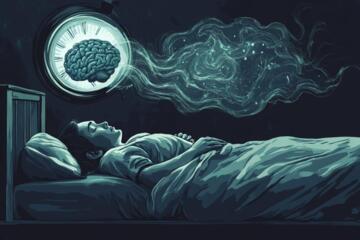
Deep sleep refers to the slow-wave portion of non-REM sleep, often called N3. In healthy adults, N3 sleep is most abundant in the first half of the night and typically makes up roughly 10–20% of total sleep, though the share varies by age and individual sleep patterns.
During deep sleep, the brain shifts from processing external information toward internal maintenance. Brain activity shows high-amplitude, low-frequency patterns, and the body reduces movement and sensory responsiveness, which helps protect sleep continuity. Breathing and heart rate generally slow, and muscles relax as the nervous system tilts toward recovery rather than alertness.
Two evidence-based facts help anchor expectations. First, deep sleep declines with age; many older adults spend less time in N3 than younger adults. Second, sleep fragmentation reduces the amount of deep sleep, even when total time in bed stays the same, because awakenings and brief arousals interrupt slow-wave activity.
What People Get Wrong
A common mistake is treating “sleep” as a single outcome. Many people track hours in bed but miss sleep stage distribution, so they may feel tired despite adequate time asleep. Fragmented sleep from noise, alcohol-related arousals, restless legs, or sleep apnea can reduce N3 without obvious awareness.
Another misconception is that deep sleep is only about feeling rested. Deep sleep supports multiple body systems through coordinated changes in brain signaling, autonomic balance, and hormone release. When N3 is reduced, the body still completes some repair processes, but the timing and intensity of certain recovery functions may shift.
Deep sleep also interacts with metabolism and immune signaling. Slow-wave sleep is associated with lower sympathetic nervous system activity and changes in cytokine patterns that relate to immune regulation. If deep sleep is repeatedly shortened, people may notice increased daytime sleepiness, poorer concentration, and a higher tendency toward metabolic dysregulation, especially when sleep loss is chronic.
In real life, deep sleep can be disrupted by late caffeine, irregular schedules, heavy evening meals, and stress that keeps the brain in a more alert state. Even when someone falls asleep quickly, repeated micro-awakenings can prevent the brain from sustaining slow-wave activity long enough to reach full depth.
How Deep Sleep Works
Deep sleep involves coordinated changes across the brain and body. In the brain, slow-wave activity supports synaptic homeostasis, a concept describing how the brain may downscale synaptic strength accumulated during wakefulness. This helps maintain network efficiency and may reduce the “load” built up across the day.
Deep sleep also supports brain fluid dynamics. During sleep, cerebrospinal fluid movement patterns change, which can influence the clearance of metabolic byproducts. Human evidence links sleep with altered clearance pathways, though the exact contribution of deep sleep versus other stages is still an active research area.
Hormones shift as well. Growth hormone secretion rises during slow-wave sleep, with the largest pulses often occurring early in the night. This is one reason deep sleep is frequently discussed in relation to tissue repair and growth, though growth hormone effects are complex and not limited to N3 alone.
The autonomic nervous system also changes. Heart rate and blood pressure typically dip, and the body reduces stress-related signaling. These shifts can affect glucose regulation and inflammatory signaling, which helps explain why repeated sleep disruption can influence metabolic health.
Support Deeper Sleep
Protect the first half
Deep sleep is concentrated earlier in the night, so protecting that window matters. Practical approach: keep a consistent wake time and aim for a bedtime that gives enough opportunity for early-night N3. In practice, if you wake at 7:00 a.m., shifting bedtime later by 60–90 minutes often reduces N3 even if you still get the same total time asleep.
Why it works: slow-wave sleep builds and is more likely to occur when the brain is not repeatedly forced into lighter stages by late-night disruptions. What it looks like: you may notice fewer awakenings and a steadier “sleep feel” in the first 3–4 hours.
Tools: a sleep diary for one to two weeks, plus a wearable or sleep tracker if you already use one, can help identify whether late bedtime or late caffeine correlates with reduced deep sleep.
Use a wind-down routine
A predictable routine reduces cognitive and physiological arousal before sleep. Practical approach: choose 20–40 minutes of low-stimulation activities such as dim lighting, reading, or gentle stretching, and start them at the same time each night.
Why it works: arousal systems remain active when the brain expects stimulation, which can delay entry into deeper stages. What it looks like: you fall asleep with less “mental replay,” fewer attempts to check the phone, and fewer awakenings.
Tools: a consistent alarm, phone charging outside the bedroom, and a simple checklist (lights dim, devices off, bathroom, then routine) can reduce decision fatigue.
Time caffeine and meals
Caffeine can delay sleep onset and increase nighttime awakenings, which reduces N3. Practical approach: stop caffeine 8–10 hours before bedtime for most adults, and longer if you notice sensitivity. What it looks like: fewer late-night trips to the bathroom and less restlessness after evening coffee or tea.
Meals also matter. Practical approach: avoid large, high-fat meals within 2–3 hours of bedtime, since digestion-related discomfort can trigger arousals. What it looks like: less reflux or stomach discomfort at night, which helps the brain stay in deeper stages.
Tools: a calendar note for caffeine timing and meal timing, then compare with next-day sleepiness and sleep continuity.
Reduce sleep fragmentation
Deep sleep depends on uninterrupted stretches. Practical approach: address common arousal triggers such as noise, temperature swings, and light exposure. Keep the bedroom cool and dark, and consider earplugs or a white-noise source if environmental sounds are consistent.
Why it works: brief awakenings reset sleep stage progression and shorten slow-wave episodes. What it looks like: fewer “wake-ups you remember,” and a lower chance of waking repeatedly to check the time.
Tools: a simple home setup (blackout curtains, fan, or thermostat schedule) and a log of awakenings with possible triggers.
Manage stress physiology
Stress can keep the body in a higher-alert state through increased sympathetic activity. Practical approach: use a short, repeatable downshift method such as paced breathing (slow exhalation), progressive muscle relaxation, or a brief worry journal where you write what you can do tomorrow.
Why it works: these methods reduce arousal and help the nervous system transition toward sleep. What it looks like: less time spent trying to “force” sleep and fewer awakenings after midnight.
Tools: a timer for a 5–10 minute practice and a consistent place to do it so the routine becomes a cue.
Check for breathing issues
Sleep-disordered breathing can fragment sleep and reduce deep sleep. Practical approach: if you snore loudly, wake up gasping, or have morning headaches or persistent daytime sleepiness, discuss evaluation with a clinician. What it looks like: symptoms that recur nightly and do not improve with routine changes alone.
Why it works: treating the underlying breathing problem can reduce arousals and restore more stable sleep stages. Tools: symptom screening and, when indicated, formal sleep testing.
Note: this section is about recognizing patterns that merit medical assessment, not about self-diagnosis.
Be cautious with alcohol
Alcohol can make people fall asleep faster while increasing later awakenings and reducing sleep quality. Practical approach: if you drink, avoid using it as a sleep aid and keep intake modest, especially in the evening.
Why it works: alcohol alters sleep architecture and increases the likelihood of lighter stages later in the night. What it looks like: you may sleep initially but wake more often after the first half of the night.
Tools: track alcohol timing alongside sleep continuity for a week or two to see whether your pattern changes.
Consider age-related expectations
Deep sleep often decreases with age, even with good sleep habits. Practical approach: focus on total sleep adequacy, consistent timing, and minimizing fragmentation rather than trying to “force” a specific stage.
Why it works: the body’s sleep architecture changes over time, and the goal is stable, restorative sleep rather than a single metric. What it looks like: you may not reach the same deep-sleep percentage as in your twenties, but you can still improve sleep continuity and daytime functioning.
Tools: a sleep diary and a check-in with a clinician if sleep problems persist despite consistent routines.
Educational Case Examples
Shift worker with late caffeine
A 32-year-old working rotating shifts reports getting 7–8 hours in bed but feeling unrefreshed. Their diary shows caffeine after 2:00 p.m. on workdays and inconsistent wake times. After moving caffeine earlier and keeping a consistent wake time on off days, they notice fewer remembered awakenings and improved morning alertness, with more stable early-night sleep.
Learning point: deep sleep is sensitive to timing and fragmentation, so total time in bed may not reflect stage quality.
Frequent awakenings from reflux
A 45-year-old reports waking several times after midnight and experiencing heartburn when lying down. They change to smaller dinners and avoid eating within 3 hours of bedtime, and they keep the bedroom cooler and darker. Over two weeks, they report fewer awakenings and less discomfort at night.
Learning point: physical discomfort can trigger arousals that interrupt slow-wave sleep, so addressing the trigger can improve sleep depth indirectly.
Deep Sleep Checklist
| Decision point | What to try first | What improvement looks like | When to seek help |
|---|---|---|---|
| Late caffeine or irregular schedule | Stop caffeine 8–10 hours before bed and keep a consistent wake time | Fewer awakenings and better morning alertness over 1–2 weeks | If sleep remains fragmented despite consistent timing |
| Noise, light, or temperature | Use blackout curtains, earplugs/white noise, and stable room temperature | Longer uninterrupted sleep stretches | If awakenings persist with no clear environmental trigger |
| Possible breathing-related arousals | Track symptoms (snoring, gasping, morning headaches) and discuss evaluation | Reduced daytime sleepiness after appropriate assessment | If symptoms occur most nights or affect driving/work safety |
| Reflux or discomfort | Avoid late meals and note triggers like spicy foods | Fewer night awakenings linked to discomfort | If reflux symptoms are frequent or severe |
Common Mistakes
Many people try to “catch up” on deep sleep by sleeping in on weekends. This often shifts circadian timing and can worsen sleep onset on Sunday night, which may reduce slow-wave sleep again. A steadier wake time usually supports more consistent sleep stage patterns.
Another mistake is relying on sleep trackers without understanding their limits. Consumer devices estimate stages using movement and heart rate signals, which can misclassify N3. Use stage estimates as a rough trend, not as a precise medical measurement.
People also underestimate the impact of brief awakenings. Even if someone falls back asleep quickly, repeated arousals can shorten slow-wave episodes. Reducing triggers like noise, temperature changes, and late-night screen use can matter more than adding extra minutes in bed.
Finally, some people use alcohol to “stay asleep.” Alcohol may reduce perceived sleep latency but increases fragmentation later in the night, which can reduce deep sleep and worsen next-day functioning.
FAQ
How long does deep sleep last?
Deep sleep (N3) typically occurs in the first half of the night and often totals about 10–20% of sleep in healthy adults, with the amount varying by age and individual sleep patterns.
Can you feel deep sleep happening?
Most people cannot reliably tell when they are in deep sleep. Some may notice that they feel groggy after waking from a deep-sleep period, but that sensation varies and does not confirm sleep stage.
Why does deep sleep drop with age?
Sleep architecture changes over time, and N3 generally decreases with age. The reasons involve multiple biological shifts, and the pattern differs across individuals.
Do sleep trackers measure deep sleep accurately?
Consumer trackers estimate sleep stages using indirect signals and can be off compared with clinical sleep studies. They are best used to observe trends over time rather than to diagnose a sleep disorder.
What most often reduces deep sleep?
Sleep fragmentation from awakenings, late caffeine, alcohol-related arousals, discomfort such as reflux, and sleep-disordered breathing are common contributors. The specific driver differs by person.
Author's Insight
Deep sleep is not a single switch; it reflects coordinated brain and body changes that depend on uninterrupted sleep and stable timing. The most consistent, evidence-aligned approach for many people is reducing fragmentation and aligning sleep schedules with circadian rhythms, since N3 is concentrated earlier in the night. Because deep sleep declines with age and varies between individuals, the goal is stable sleep continuity and daytime functioning rather than chasing a specific stage percentage. If symptoms suggest sleep-disordered breathing or another medical cause, routine adjustments may not be enough and professional evaluation can be the next step.
Key Takeaways
Deep sleep (N3) supports brain maintenance processes and includes growth hormone pulses, with the largest share occurring early in the night. It is sensitive to sleep fragmentation, late caffeine, alcohol-related arousals, discomfort, and breathing-related disruptions.
Next steps you can take: keep a consistent wake time, protect the first half of the night, reduce late caffeine and large meals, and address environmental or comfort triggers that cause awakenings. Track changes for 1–2 weeks using a sleep diary, and treat sleep-stage numbers from wearables as rough trends.
Limits: deep sleep varies by age and individual physiology, and improving sleep depth may not be measurable on every device. Seek professional medical advice if sleep problems persist despite consistent routines, or if you have symptoms such as loud snoring with gasping, morning headaches, or excessive daytime sleepiness that affects safety.