Self-care: the Basics
Self-care originally referred to actions people take to manage their own health, often with guidance from clinicians. In everyday use, the term now includes behaviors that affect physical symptoms, stress, sleep, relationships, and medication routines. That broader meaning can be useful, but it also creates confusion when “self-care” becomes a catch-all for anything that feels calming.
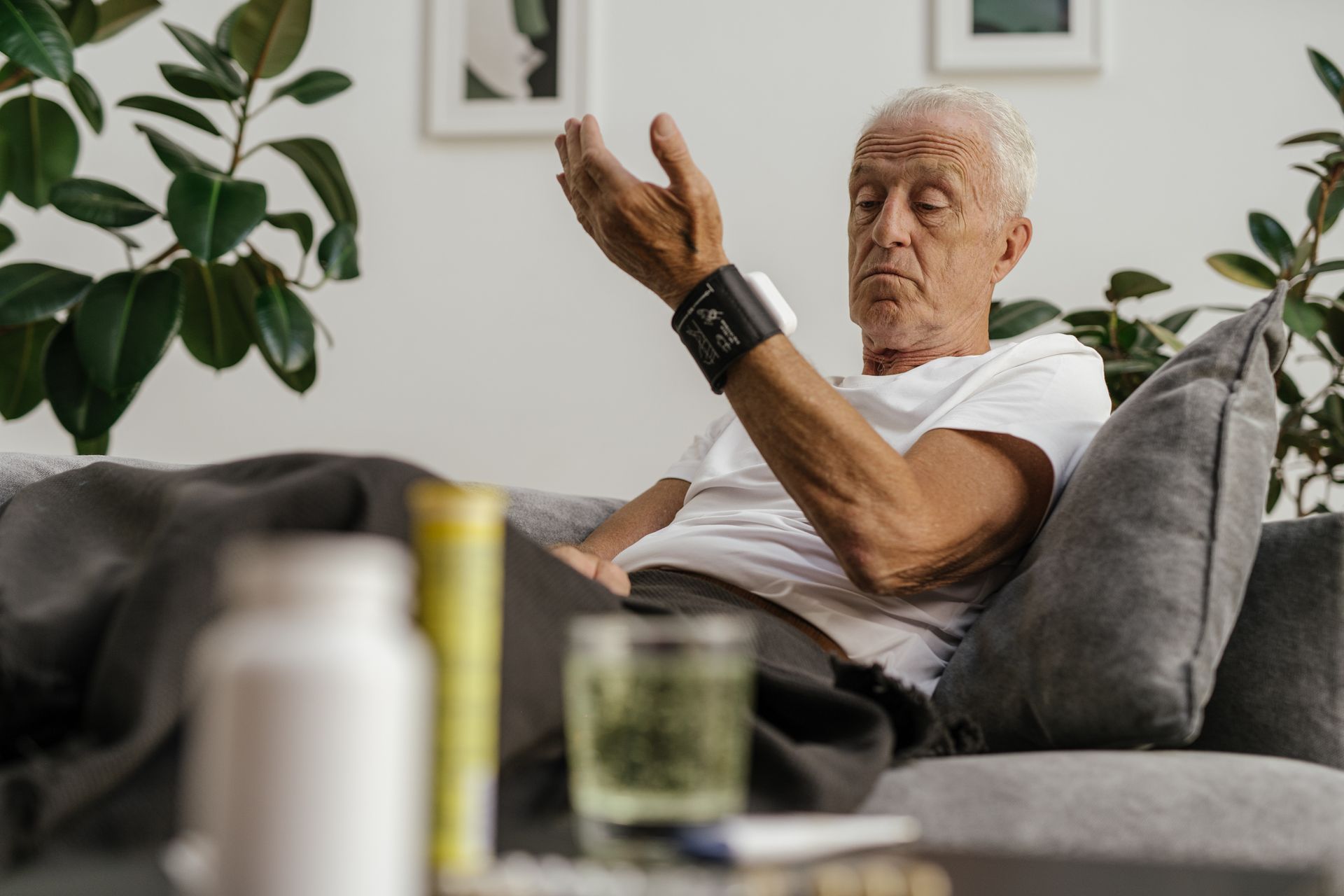
In health settings, self-care commonly includes monitoring and decision-making that a person can do between medical visits. Examples include checking blood pressure at home, tracking blood glucose for diabetes management, following a prescribed inhaler technique, and recognizing warning signs that require urgent care. Home monitoring matters because it can reveal patterns that a single clinic reading misses; for instance, blood pressure readings taken over time better reflect usual blood pressure than one measurement.
Self-care also overlaps with public health behaviors. Sleep duration is one example: many adults report short sleep, and epidemiologic data link habitual short sleep with higher risk of several chronic conditions. Another example is physical activity: guidelines from major health organizations recommend regular aerobic activity and muscle-strengthening activity, and these behaviors are often framed as self-directed health maintenance.
Self-care is not limited to “feeling better.” It can include preventing deterioration, reducing symptom flare-ups, and supporting adherence to evidence-based care. The challenge is that the term can drift away from measurable outcomes and toward broad lifestyle messaging that does not specify what should be tracked or what risks to watch.
Where the Term Goes Wrong
People often treat self-care as a substitute for medical evaluation. This happens when symptoms are mild at first, when progress is slow, or when access to care is limited. Delaying assessment can allow treatable conditions to worsen, especially when symptoms overlap across different causes.
Another common mistake is confusing comfort with effectiveness. A behavior can reduce stress in the moment while doing little for the underlying driver of symptoms. For example, distraction can lower perceived discomfort, but it does not address factors like medication side effects, anemia, thyroid disease, or sleep apnea.
Self-care language can also encourage “all-or-nothing” thinking. When a person expects a routine to fix everything, they may abandon it after a few days or blame themselves for not achieving immediate results. Biological systems change gradually; sleep debt, deconditioning, and chronic stress patterns typically improve over weeks to months, not hours.
Some self-care practices carry real risks. Herbal products, high-dose supplements, and restrictive diets can interact with medications or worsen conditions. Even seemingly benign actions like frequent detox teas or aggressive fasting can affect liver function, blood sugar stability, or electrolyte balance in susceptible people.
Finally, self-care can become vague. If a routine does not specify what it targets—sleep onset latency, daytime fatigue, anxiety symptoms, blood pressure readings, medication adherence—then it becomes hard to judge whether it is helping or simply occupying time.
Solutions: Safer Self-Care
Define the target outcome
Start by naming what you want to change in measurable terms. Instead of “feel calmer,” use a target like “fall asleep within 30 minutes” or “reduce nighttime awakenings to fewer than two.” Instead of “be healthier,” use “walk 20 minutes on at least five days per week” or “check blood pressure twice daily for one week and review the average.”
This works because self-care becomes testable. You can compare baseline to follow-up and decide whether to adjust the plan. In practice, many people use a simple log in a notes app or paper tracker for 1–2 weeks before changing multiple variables at once.
Relevant tools include symptom diaries, sleep tracking apps (used cautiously), and home monitoring devices when appropriate. If you use a tracker, focus on trends rather than single-night fluctuations.
Use evidence-based basics
Choose routines with a plausible mechanism and a track record in health guidance. Sleep timing consistency, adequate protein and fiber intake, regular movement, and smoking cessation are examples of behaviors that have clear biological pathways. For sleep, consistent wake times help anchor circadian rhythms; for activity, muscle use improves insulin sensitivity and cardiovascular fitness.
In practice, this can look like setting a fixed wake time, getting morning light exposure, and scheduling exercise earlier in the day when possible. For movement, a practical starting point is short walks that accumulate toward weekly goals rather than one long session.
Realistic outcomes depend on the person and baseline. Many people notice sleep improvements within 1–3 weeks when routines are consistent, while strength and endurance changes often take longer.
Build a “when symptoms” plan
Create a plan for what to do when symptoms flare. This includes identifying triggers, deciding on short-term self-management steps, and listing red flags that require medical attention. A plan can reduce panic because it replaces improvisation with a pre-decided sequence.
This works by separating symptom management from decision-making under stress. In practice, you might write down steps for a headache flare, reflux flare, or asthma-like symptoms, including when to stop self-management and seek urgent care.
Use tools like a one-page action plan, medication lists, and a calendar reminder to review the plan monthly. If you have a chronic condition, ask a clinician for a written action plan that matches your diagnosis.
Practice medication self-care safely
Self-care often includes correct medication use, not just “taking something.” Examples include using inhalers with proper technique, taking medications at consistent times, and understanding common side effects. For people on long-term therapy, adherence is a major determinant of whether treatment goals are met.
This works because many medication failures come from technique errors, missed doses, or misunderstanding instructions. In practice, you can set medication reminders, keep a current medication list, and verify device technique with a pharmacist or clinician.
Be cautious with “supplement stacking.” If you add a new supplement, check for interactions with existing medications and consider discussing it with a pharmacist, especially if you take anticoagulants, antidepressants, seizure medications, or immunosuppressants.
Use stress tools with boundaries
Stress-reduction practices can be part of self-care when they are used as skills, not as avoidance. Breathing exercises, progressive muscle relaxation, mindfulness-based practices, and structured problem-solving can reduce physiological arousal and improve coping.
This works when the practice is time-limited and paired with action. In practice, set a 10–15 minute session and then choose one concrete step related to the stressor, such as contacting a provider, planning a task, or improving sleep hygiene.
Realistic outcomes vary. Some people notice short-term reductions in tension after a few sessions, while anxiety and depression symptoms typically require longer-term strategies and, when indicated, professional care.
Track patterns, not perfection
Self-care improves when you look for patterns rather than chasing a perfect routine. Track a few variables that matter: sleep duration, caffeine timing, activity minutes, symptom severity, or home blood pressure averages. Avoid tracking everything, which increases burden and can worsen stress.
This works because it reduces noise and helps you identify which changes correlate with improvement. In practice, review your notes weekly and adjust one factor at a time, such as moving exercise earlier or reducing late caffeine.
Use realistic time frames. Many routines need 2–4 weeks to show a stable effect, especially for sleep and activity changes.
Know the limits of “natural”
Natural products are not automatically safer. “Natural” can still affect drug metabolism, blood clotting, blood pressure, or liver enzymes. For example, some supplements can increase bleeding risk when combined with anticoagulants, and others can worsen anxiety or sleep in sensitive individuals.
This works as a risk-management approach: you treat supplements like active substances. In practice, check ingredient lists, avoid high-dose multi-ingredient blends, and look for evidence that matches your goal and your medical context.
If you are pregnant, have liver disease, take multiple medications, or have a chronic condition, discuss supplements with a clinician or pharmacist before starting.
Use professional care when needed
Self-care and professional care can work together. When symptoms persist, worsen, or interfere with daily functioning, self-care should shift from “try harder” to “get assessed.” This is especially relevant for chest pain, shortness of breath, fainting, severe abdominal pain, sudden neurological symptoms, or suicidal thoughts.
This works because clinicians can evaluate causes that self-care cannot distinguish. In practice, you can bring your symptom log, medication list, and home measurements to make the visit more efficient.
Realistic next steps include scheduling a primary care visit for persistent issues and using urgent services for red-flag symptoms.
Educational Case Examples
Sleep routine with measurable targets
A 42-year-old with trouble falling asleep starts self-care by setting a fixed wake time and limiting caffeine after noon. They track bedtime, time to fall asleep, and number of awakenings for 14 nights. After two weeks, they notice sleep latency improves from about 45 minutes to 25 minutes, but awakenings remain frequent. They then discuss persistent awakenings with a clinician to rule out sleep apnea or medication-related causes rather than continuing to adjust only comfort-based strategies.
Stress coping paired with action
A 29-year-old uses breathing exercises during work stress and feels calmer during sessions. They also track panic-like symptoms and missed workdays over a month. When symptoms persist, they add a structured problem-solving step: they schedule a meeting with a supervisor and adjust workload boundaries. The person continues the stress tool but does not treat it as a replacement for addressing the stressor.
Self-care Checklist
| Decision point | Good self-care fit | Red flag for medical review | How to check |
|---|---|---|---|
| Goal clarity | You can name a target (sleep latency, steps/week, symptom score) | The plan has no measurable target or timeline | Write one outcome and one tracking method |
| Safety | Actions match your medical context and medication list | New supplements or restrictive diets conflict with conditions or meds | Check interactions with a pharmacist |
| Time frame | You expect gradual change and review after 2–4 weeks | Symptoms worsen or do not improve while you keep changing everything | Adjust one factor at a time, then reassess |
| Escalation plan | You know red flags and when to seek help | You treat urgent symptoms as “just stress” | List emergency signs and contact options |
Common Mistakes
One mistake is adopting a routine because it sounds healthy without considering fit. A high-intensity workout plan may worsen pain or sleep for someone with chronic fatigue or joint issues. A supplement may aggravate reflux or interact with medications. Fit matters because biology and medication context shape outcomes.
Another mistake is changing multiple variables at once. If sleep, caffeine, exercise timing, and diet all change in the same week, it becomes impossible to learn what helped. People then abandon the routine or double down on the wrong change.
Some people rely on “detox” or extreme restriction. These approaches can cause dehydration, electrolyte imbalance, and rebound overeating. Even when weight changes occur, they may reflect water loss rather than sustainable metabolic improvement.
There is also a pattern of using self-care content as a diagnostic tool. Symptom lists and online quizzes can match many conditions, and they often miss red flags. When symptoms persist or escalate, self-care should shift toward evaluation rather than more interpretation.
Finally, people may ignore mental health needs. Stress tools can help, but persistent depression, panic, or trauma symptoms often require professional assessment. Self-care should not become a reason to delay care when symptoms interfere with work, relationships, or safety.
FAQ
Is self-care the same as home treatment?
Self-care includes home actions, but it also covers decision-making between visits, such as tracking symptoms, following medication instructions, and knowing when to seek help. Home treatment that replaces medical evaluation for persistent or severe symptoms is not the same as self-care.
What counts as evidence-based self-care?
Evidence-based self-care uses behaviors with a clear mechanism and support from health guidance or clinical evidence for the targeted outcome, such as sleep timing consistency for insomnia symptoms or regular physical activity for cardiometabolic risk reduction. The key is matching the behavior to a specific goal and monitoring results.
Can self-care replace seeing a clinician?
Self-care can complement care, but it cannot replace evaluation when symptoms are severe, progressive, or unexplained. If symptoms include chest pain, trouble breathing, fainting, sudden weakness, or suicidal thoughts, urgent medical attention is appropriate.
Are supplements part of self-care?
Some people use supplements as part of self-care, but supplements can interact with medications and may not match the intended health goal. Treat supplements as active substances, check interactions, and discuss them with a pharmacist or clinician when risk factors are present.
How long should I try a self-care routine before changing it?
Many routines need 2–4 weeks to show a stable effect, especially for sleep and activity changes. If symptoms worsen, red flags appear, or there is no improvement after a reasonable trial with consistent tracking, seek medical advice rather than continuing to adjust everything.
Author's Insight
Self-care has expanded from “what you do for your health” into a broad label that can include monitoring, coping skills, and lifestyle routines. The most useful version of self-care is specific enough to track, cautious enough to account for medication and risk, and connected to a plan for escalation when symptoms do not improve.
When self-care is vague, it becomes hard to learn what works and easier to drift into unsafe practices. When it is measurable and time-bound, it supports better decisions and reduces the chance that people delay medical evaluation.
Because health outcomes vary by condition and baseline risk, self-care should be treated as a structured approach rather than a universal prescription.
Final Thoughts
Self-care now means many different actions, from home monitoring to stress skills and medication routines. The most reliable self-care plans name a target outcome, track a small set of variables, and include a clear escalation path for red flags.
Benefits are most likely when self-care matches your health context and you review results over weeks, not days. Limits are real: self-care cannot distinguish causes of symptoms, and “natural” products can still carry risks.
Seek professional medical advice if symptoms persist, worsen, or interfere with daily life, or if you notice urgent warning signs such as chest pain, trouble breathing, fainting, sudden neurological symptoms, or suicidal thoughts. Bring your symptom log, medication list, and any home measurements to support an efficient, informed discussion.