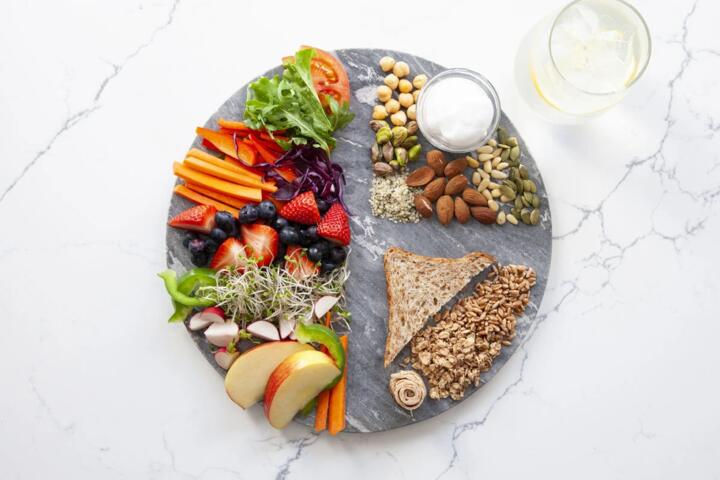
Variety On The Plate
Variety on the plate means choosing foods from different categories and rotating within categories across days and weeks. It is not about eating many foods in a single meal; it is about avoiding repeated sameness. For example, swapping between beans, lentils, and chickpeas across the week changes the mix of fiber types, resistant starch, and plant compounds. Rotating leafy greens, cruciferous vegetables, and orange or red vegetables changes the balance of vitamins, minerals, and phytochemicals.
In practical terms, variety supports a diet that is less dependent on one food source for key nutrients. If a person relies heavily on a single staple—such as white rice most days—then the diet’s micronutrient profile depends on fortification and portion size. When the staple changes, the nutrient mix changes too, even if total calories stay similar.
Variety also changes the “texture and fiber rhythm” of meals. A week that includes oats, beans, whole grains, vegetables, and fruit tends to produce more consistent fiber intake than a week built around refined grains and a narrow set of vegetables. That pattern can matter for digestion and for how appetite signals behave after meals.
Where People Go Wrong
Many people interpret variety as “more foods,” then add snacks without changing the overall diet pattern. That can increase calories without improving nutrient coverage. Another common pattern is repeating the same “safe” meals because they are convenient, familiar, or perceived as healthier. Repetition reduces the chance of covering nutrients that are unevenly distributed across foods.
Biology explains why sameness can fall short. Different plant foods contain different fibers (soluble vs insoluble), different carbohydrate structures that reach the colon, and different polyphenols that interact with gut microbes. Gut microbes adapt to the substrates they regularly receive; when the substrate variety is low, microbial diversity and fermentation patterns can shift toward what the diet repeatedly provides.
Variety also affects micronutrient coverage. Iron, zinc, magnesium, potassium, folate, and vitamin A precursors are not evenly present across common food groups. Even within a group, nutrient density varies. For instance, spinach, kale, and collards differ in vitamin K content, folate levels, and oxalate concentration. If one vegetable dominates every day, the diet may still be healthy, but it becomes more dependent on that single food’s nutrient profile.
Real-world consequences show up in subtle ways. Some people experience constipation or irregular bowel habits when fiber sources are narrow. Others notice that meal satisfaction drops when the same flavors and textures repeat, leading to more frequent snacking. In people with food intolerances, variety can reduce the chance that one problematic food becomes the daily trigger, but it can also introduce new triggers, so changes should be gradual.
How To Build Variety
Use A Rotation Plan
Choose a small set of rotation targets rather than trying to change everything at once. A practical approach is to rotate protein sources (for example, fish, poultry, eggs, tofu/tempeh, beans/lentils) and rotate vegetables by color or type (leafy greens, cruciferous, orange/red, starchy vegetables). Aim for at least 3–4 different vegetable types across a day or across two meals, then repeat the pattern with different options over the week.
This works because it spreads nutrient intake across foods that differ in fiber, minerals, and plant compounds. In practice, a person might eat beans at lunch on Monday, lentils at dinner on Tuesday, tofu on Thursday, and yogurt or eggs on Friday. Even if portions stay similar, the nutrient mix shifts.
To make rotation realistic, start with what you already eat. If you currently eat one vegetable at most meals, add one new vegetable type twice per week and build from there. A simple tool is a “week grid” on paper or in a notes app listing protein and vegetable categories for each day.
Match Variety To Your Goals
Variety should serve a goal such as improving fiber intake, reducing ultra-processed foods, or managing blood sugar patterns. If the goal is fiber, prioritize foods that reliably contribute fiber: beans, lentils, chickpeas, whole grains, oats, berries, apples, pears, and non-starchy vegetables. If the goal is reducing added sugars, keep variety within the “sweet” category by choosing fruit and unsweetened yogurt more often than flavored drinks.
This works because different goals require different food choices. For example, “variety” that comes from swapping one refined grain for another refined grain changes flavor but not fiber. A more useful pattern is to vary the fiber sources while keeping the overall meal structure stable.
In practice, a person can keep breakfast structure similar while rotating components. One week might include oats with berries; another week might include whole-grain toast with avocado and a side of fruit. For blood sugar management, pairing carbohydrates with protein and fat can blunt glucose spikes; variety helps by preventing the diet from depending on one carbohydrate source.
Relevant methods include tracking fiber for a short period (such as 3–7 days) and noting which foods contribute most. Many people find that adding one serving of beans or lentils per day changes fiber intake more than adding a second fruit.
Use Smart Swaps, Not Random Add-Ons
Randomly adding new foods can increase calories and make it harder to notice what changes your digestion. Smart swaps replace one item with another that changes nutrient coverage. Examples include swapping white rice for brown rice or quinoa, swapping a lettuce-only salad for a mixed salad with beans and a cruciferous vegetable, or swapping a refined-grain snack for nuts plus fruit.
This works because swaps change the nutrient profile while keeping the meal’s overall structure familiar. In practice, a swap might look like: replace one refined-grain side with a whole grain 4 days per week, then replace one “plain” protein with a plant-based option 2 days per week. The numbers are flexible, but the pattern is consistent.
Tools that help include a “swap list” kept on a phone: whole grains, legumes, nuts/seeds, and at least 5 vegetables you tolerate well. When shopping, choose one item from each category rather than buying many new items at once.
Adjust Gradually For Tolerance
Increasing variety can also increase exposure to fibers and fermentable carbohydrates that may cause gas or bloating in some people. A gradual approach reduces discomfort. If you are adding legumes or more whole grains, increase portions slowly over 1–3 weeks and drink adequate fluids.
This works because the gut microbiome and digestive system adapt to new substrates over time. In practice, a person might start with half a cup of lentils once or twice per week, then increase frequency if symptoms remain manageable.
Realistic outcomes vary. Some people notice improved bowel regularity within days of increasing fiber, while others need longer adaptation. If symptoms worsen significantly, the change should be reconsidered and discussed with a clinician, especially if there is unexplained weight loss, persistent vomiting, or blood in stool.
Case Examples
Example 1: Same Lunch Every Day
A 34-year-old office worker eats the same lunch most weekdays: a chicken sandwich with white bread and a side of fries. They report feeling hungry again within a couple of hours and occasionally experience constipation. They switch to a rotation: Monday uses a bean-based wrap, Wednesday uses salmon with a whole-grain side and mixed vegetables, and Friday uses tofu with a grain bowl. Over two weeks, they keep portion sizes similar but replace fries with vegetables and add legumes at least twice per week. The person notices longer fullness and more regular bowel movements, which aligns with higher fiber and different carbohydrate structures.
Example 2: “Healthy” But Narrow
A 52-year-old eats salads daily but uses the same base: iceberg lettuce, cucumber, and tomato, with the same dressing. They rarely eat beans, whole grains, or fruit. Their diet includes some micronutrients from vegetables, but fiber intake stays low and meal satisfaction is inconsistent. They add variety by changing the salad base to include spinach or mixed greens, adding a cruciferous vegetable once per week, and including beans or lentils in the salad twice per week. They also rotate fruit types rather than relying on one. Over several weeks, they report fewer hunger dips and improved stool consistency, consistent with higher fiber and more varied fermentation substrates.
Variety Checklist
| Goal | What To Vary | What To Keep Similar | How To Judge |
|---|---|---|---|
| More fiber | Beans/lentils, oats, whole grains, fruit, non-starchy vegetables | Meal timing and portion size of the main meal | Stool consistency and frequency; reduced constipation |
| Better nutrient coverage | Vegetable colors/types and protein sources | Overall calorie intake and added sugar limits | Fewer “single-food dependencies” across the week |
| Stable appetite | Protein type, fiber sources, and meal textures | Carbohydrate portion size and cooking methods | Time to next hunger; fewer snack cravings |
| Gentle digestion | Legumes and whole grains added gradually | Hydration and pace of change | Gas/bloating trends; comfort after meals |
Common Mistakes
Buying many new foods at once often leads to waste and half-finished ingredients, which pushes people back to the same meals. A better approach is to rotate a few categories consistently and keep a short list of repeatable options.
Another mistake is treating variety as a reason to ignore portion sizes. If variety increases calorie intake through nuts, oils, and added snacks, weight changes can occur even if the diet quality improves.
Some people chase variety by changing foods but not fiber. Swapping one refined grain for another refined grain keeps fiber low and can leave digestion unchanged. If fiber is a goal, the rotation should include fiber-rich foods.
Variety can also worsen symptoms in people with specific intolerances. Introducing multiple new foods at the same time makes it hard to identify triggers. Changes should be staged so that digestion patterns can be observed.
FAQ
How much variety is enough?
A useful target is rotating protein sources and vegetable types across the week, not eating a different food at every meal. Many people benefit from covering at least 3–4 vegetable types across a day or two meals, then repeating with different options later in the week.
Does variety matter if I eat the same calories?
Yes. Even with similar calories, nutrient profiles and fiber patterns can differ based on the foods chosen. Variety reduces dependence on one food source for micronutrients and changes the substrates that reach the gut.
Can too much variety cause stomach problems?
It can, especially when variety increases fermentable fibers quickly. Gradual changes to legumes and whole grains often reduce gas or bloating, and symptoms that are severe or persistent should be discussed with a clinician.
Is variety the same as eating “healthy foods”?
No. Variety describes rotation across foods, while “healthy” describes overall diet quality. A diet can be varied but still high in added sugars or low in fiber, so both aspects matter.
What are easy ways to add variety on busy days?
Use swaps that change nutrient coverage: replace fries with a vegetable side, add beans to a salad or bowl, choose a different whole grain for one meal, and rotate fruit types. Keeping a short swap list reduces decision fatigue.
Author's Insight
Variety on the plate is a practical way to reduce nutrient blind spots created by repeated meals. The biological rationale is straightforward: different foods provide different fibers, micronutrients, and plant compounds that interact with digestion and gut microbes. The limitation is that variety alone does not fix low fiber, high added sugar, or low overall diet quality. A cautious approach uses rotation targets, smart swaps, and gradual changes so digestion and appetite patterns can adapt.
Key Takeaways
- Variety means rotating food categories and within-category choices across days, not adding many foods to one meal.
- Nutrient coverage and fiber patterns change when you rotate vegetables, proteins, and grains.
- Use swaps and a simple rotation plan to avoid random add-ons and calorie creep.
- Increase legumes and whole grains gradually if gas or bloating occurs.
- Judge progress by digestion comfort, stool consistency, and meal satisfaction, not by the number of foods eaten.