Portion Distortion Basics
Portion distortion happens when the amount of food people serve themselves or are served becomes disconnected from hunger, fullness, and energy needs. It often shows up as “normal” portions that are gradually larger than the body expects, or as smaller portions that trigger rebound eating later. Practical examples include eating from a large bowl because it looks like a single serving, ordering a meal that arrives with multiple components that each count as a “portion,” or finishing food simply because it is on the plate.
Portion distortion is not only about willpower. The brain uses visual cues to estimate how much food is present, and those cues shift with plate size, packaging, lighting, and eating speed. When the visual cue consistently overestimates or underestimates the amount you need, eating habits can drift in predictable directions: people may eat more than intended, feel less satisfied at the end of a meal, or develop a routine of “making up” for earlier restriction.
Common triggers include restaurant plates that are larger than home plates, “family style” serving where portions are shared and refilled, and packaged foods that label servings in ways that do not match how people actually eat. Even if a person reads nutrition labels, the serving size may not match the portion they pour, scoop, or eat in one sitting.
How Distortion Changes Habits
People often misjudge portions because hunger and fullness signals are delayed. Satiety develops over time as the stomach stretches and as nutrients trigger hormonal and neural responses. If a meal is visually large, eating may continue before fullness signals catch up, leading to consistent overconsumption.
Portion distortion also affects learning. When someone repeatedly eats a certain amount and later feels “still hungry,” the brain may update its internal reference for what a meal should feel like. Over time, the same amount can feel insufficient, which encourages larger portions at the next meal.
Another mechanism involves energy density. Foods with higher calorie density can fit into the same visual volume as lower calorie density foods. If portion size is judged mainly by volume, a person may eat a larger calorie load without noticing. This is common with snack foods, nuts, granola, desserts, and some restaurant entrées.
Real-world situations make the pattern easier to repeat. Eating while distracted reduces attention to fullness cues, so people may keep eating until the food is gone rather than when the body signals satisfaction. Social settings can also normalize larger portions, especially when refills are offered or when the group’s pace is faster.
Consequences can include weight gain over time, but the pathway is not identical for everyone. Some people compensate by eating less later; others do not. Even without major weight change, distorted portions can worsen blood sugar patterns, increase cravings, and make it harder to maintain consistent meal timing.
What People Get Wrong
A frequent mistake is treating portion control as a short-term “dieting” task rather than a daily measurement of what a meal actually is. When portions are corrected only during weigh-ins or special efforts, the body and habits revert when attention fades.
Another error is relying on memory of “what I ate” instead of the portion itself. People often underestimate how much they served, especially with foods that are scooped or poured. A small change in serving size can be hard to notice when it happens gradually.
Some people respond to perceived overeating by skipping meals or restricting heavily. That can increase hunger and reduce satiety responsiveness, making the next meal more likely to overshoot. This cycle can be driven by biology: hunger hormones rise when energy intake drops, and the body may prioritize quick energy sources.
Finally, people sometimes assume that “healthy foods” automatically mean appropriate portions. Whole grains, nuts, and oils can still be calorie dense. A meal can be nutrient-rich and still exceed the portion that supports fullness for that person.
How To Fix Portion Drift
Measure for a Short Window
Use measurement for a limited period to recalibrate your sense of portion size. For example, weigh or measure one or two meals per day for 7 to 14 days, then compare what you served to what you actually ate. The goal is not perfection; it is to identify the gap between “what looks like a serving” and “what a serving is.”
This works because visual estimation improves with feedback. When you repeatedly see the same amount in grams, cups, or ounces, your brain updates its reference points. In practice, many people notice that common servings—like rice, pasta, nut butter, or cereal—are consistently larger than they believed.
Tools include a kitchen scale, measuring cups, and portion guides on food packaging. If weighing feels too intense, start with one category that is most prone to distortion, such as snacks or calorie-dense foods.
Realistic outcome: after a short measurement window, many people can reduce portion size drift without tracking every day, because their estimates become more accurate.
Use Plate Structure Cues
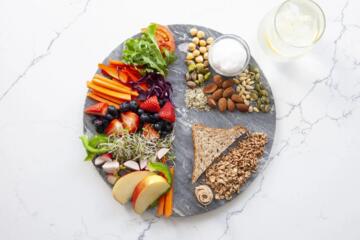
Adopt a consistent plate structure so portions are guided by composition, not only by volume. A practical approach is to fill about half the plate with non-starchy vegetables, one quarter with lean protein, and one quarter with starches or other higher-calorie sides. Add a small amount of fats or sauces deliberately rather than pouring freely.
This works by shifting attention from “how much food is there” to “how the meal is built.” Vegetables add volume with fewer calories, protein supports satiety, and starch portions become easier to estimate when they occupy a defined space on the plate.
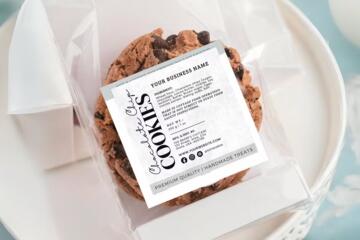
In practice, this can look like using a smaller plate at home, serving sauces on the side, and pre-portioning snacks into small containers. If you eat from a bag or container, portion distortion tends to increase because the visual cue becomes the entire package.
Realistic outcome: plate structure often reduces the chance of overshooting at meals, especially when combined with slower eating and fewer distractions.
Slow Down and Check In
Build a brief pause during meals to match eating pace with satiety timing. A simple method is to take a few minutes before the first bite, then aim to finish the meal without rushing. Some people use a rule such as putting utensils down between bites or taking a sip of water halfway through.
This works because fullness signals from the stomach and gut take time to develop. When eating speed is faster than satiety, people may eat beyond comfort before they notice. Slowing down also improves attention to taste and texture, which can reduce “mindless” continuation.
In practice, check in at two points: after the first portion of the meal and again near the end. If you feel satisfied but not overly full, stop serving additional food. If you still feel hungry, add a measured small portion rather than returning to the original serving size.
Realistic outcome: many people find that they can keep portions closer to their needs without strict restriction once they notice the point where hunger shifts to satisfaction.
Plan for High-Risk Meals
Identify meals and settings where portion distortion is most likely, then plan a default strategy. High-risk examples include restaurant meals with large entrées, buffet-style dining, holiday gatherings with frequent refills, and snack times when food is eaten directly from a package.
This works because it reduces decision load at the moment of eating. When you decide in advance, you are less likely to rely on visual cues that bias toward larger portions.
In practice, you can use a “first plate” approach at buffets: serve a plate once, then wait 10 to 15 minutes before deciding on a second serving. At restaurants, consider splitting an entrée, choosing a side that adds volume with fewer calories, or ordering a smaller portion when available.
Realistic outcome: planning does not eliminate overconsumption, but it often reduces the frequency of large overshoots.
Educational Case Examples
Restaurant Entrée Drift
Alex eats out twice per week and orders the same entrée each time. At home, Alex uses a smaller plate and feels satisfied with a moderate portion, but restaurant portions feel “normal” because the plate is larger and the entrée arrives with sides that are easy to finish. After measuring one restaurant meal at home by weighing leftovers from a takeout container, Alex realizes the entrée portion is closer to two servings. Alex then uses a planned strategy: a smaller portion of the entrée plus a vegetable-forward side, with the rest saved for later. The change targets portion size cues rather than trying to “eat perfectly.”
Snack Packaging Overread
Priya snacks on granola and nuts from a bag. The bag looks like one snack, but the serving size on the label is smaller than the amount Priya pours. Priya starts pre-portioning snacks into small containers and measures for two weeks to learn the typical portion. Priya notices that hunger decreases earlier in the snack routine, which reduces the urge to keep eating from the bag. The adjustment focuses on portion visibility and reduces the mismatch between label serving and actual intake.
Portion Distortion Checklist
| Situation | Common Distortion | What To Try | What Improvement Looks Like |
|---|---|---|---|
| Large plates or bowls | Serving looks “right” but is larger than needed | Use a smaller plate; pre-portion starch and fats | Feel satisfied with less food volume |
| Restaurant meals | Multiple components lead to “finishing everything” | Split entrée or save half; choose one side | Stop eating when satisfied, not when plate is empty |
| Snacks from packages | Portion expands because the container is the “portion” | Portion into a small bowl/container before eating | Snack ends at a planned amount |
| Buffets and refills | Second servings happen quickly | Serve once; wait 10–15 minutes before deciding | Fewer large second servings |
Common Mistakes
One mistake is changing portion size without changing the environment. If a person keeps eating from the same large container or plate, the visual cue continues to push portions upward. Pairing portion changes with environmental cues—smaller plates, pre-portioning, and serving sauces separately—reduces the chance of relapse.
Another mistake is focusing only on one meal while ignoring the rest of the day. Portion distortion often shifts across meals: a smaller lunch may lead to larger dinner portions. A better approach is to identify the pattern that repeats, such as snacks expanding or restaurant meals overshooting.
People also underestimate how much liquid calories and add-ons contribute to portion distortion. Drinks, sweetened coffee, and alcohol can add energy without creating the same fullness as solid food. Sauces and toppings can also double the calorie load while adding little volume.
Finally, some people use strict rules that trigger rebound eating. If a person labels foods as “forbidden” or repeatedly restricts, hunger can intensify and portions can overshoot later. A more sustainable approach is to aim for consistent portion cues and gradual adjustments.
FAQ
What causes portion distortion most often?
Portion distortion commonly comes from visual cues like plate and package size, serving practices like refills or family-style meals, and eating behaviors such as distraction or fast eating that delay fullness signals.
Does portion distortion affect hunger and fullness?
Yes. Larger-than-expected portions can delay satisfaction because satiety signals take time, and repeated overconsumption can shift what a person perceives as a “normal” amount that feels filling.
Can portion distortion happen with healthy foods?
Yes. Foods can be nutrient-dense and still be calorie dense, so portion size can exceed what supports fullness for that person, especially with oils, nuts, granola, and some whole-grain or starchy meals.
How long does it take to correct portion estimates?
Many people improve their portion estimates after a short measurement period of about 1–2 weeks, followed by continued practice using consistent serving methods. The timeline varies with how often the person eats the same foods and how closely they monitor portions.
Is portion distortion the same as overeating?
Portion distortion is a specific driver of overeating: it refers to serving sizes that drift away from needs due to cues and habits. Overeating can also occur from other factors like stress, sleep loss, or appetite changes.
What’s a practical first step if I suspect I serve too much?
Start by measuring one high-risk food or one meal for 7–14 days, then adjust serving methods for that item (pre-portioning, smaller plates, or serving sauces separately) so the environment supports the new portion.
Author's Insight
Portion distortion is a predictable interaction between biology and environment: satiety signals lag behind eating, and visual cues strongly influence how much people serve. When portions drift upward, the brain learns a new reference for “enough,” which can make later meals feel unsatisfying. Evidence from nutrition and behavioral research consistently points to portion size, eating speed, and attention as key factors, though individual responses vary. The most practical approach is usually not strict dieting, but recalibrating portion estimates and changing the cues that trigger automatic serving.
Key Takeaways
- Portion distortion happens when serving sizes drift away from hunger and fullness cues due to visual and environmental triggers.
- Over time, repeated mismatches can change what feels “normal,” making the same amount feel insufficient.
- Short-term measurement, plate structure cues, slower eating, and planning for high-risk meals can reduce portion drift.
- Healthy foods can still be over-portioned, so portion size matters even when food choices are nutrient-dense.