Healthy Versus Unhealthy Fats
“Healthy fats” and “unhealthy fats” describe patterns in how different fat types behave in the body and how they relate to long-term health outcomes. The distinction is not about avoiding fat altogether; it is about choosing fats that tend to produce more favorable effects on blood lipids and inflammation while limiting fats that tend to raise low-density lipoprotein (LDL) cholesterol or promote vascular inflammation.
In practice, the clearest examples are unsaturated fats from plants and fish versus industrial trans fats and frequent high intakes of certain saturated fats. For instance, replacing butter and fatty processed meats with olive oil, nuts, and fatty fish changes the mix of fatty acids reaching the liver, which influences how the liver packages cholesterol into lipoproteins.
Another key factor is processing. Some fats remain relatively stable, while others undergo hydrogenation or repeated high-heat exposure that can increase harmful byproducts. Even when two foods contain similar total fat grams, their fatty acid composition and processing history can differ enough to change metabolic effects.
Common Misunderstandings
Many people treat “fat” as one category, but the body responds differently to fatty acids based on chain length, saturation, and configuration. Saturated fats are chemically “straight” and pack tightly, which can influence cholesterol metabolism. Unsaturated fats contain double bonds that create kinks, affecting how they are incorporated into cell membranes and how enzymes handle them.
Another frequent error is assuming that “natural” automatically means safe. Coconut oil, for example, is plant-derived but contains a high proportion of saturated fat. A food can be natural and still shift LDL cholesterol upward when it replaces unsaturated fats.
People also misread labels. “Partially hydrogenated” oils are a major source of industrial trans fats in many food systems, and trans fats can also appear in small amounts from ruminant sources. Industrial trans fats are the main concern because they tend to raise LDL cholesterol and lower high-density lipoprotein (HDL) cholesterol, shifting the lipid profile in a less favorable direction.
Real-world consequences show up in blood tests and long-term risk. Diets higher in trans fats and diets that replace unsaturated fats with saturated fats often correlate with higher LDL cholesterol. Elevated LDL cholesterol contributes to atherosclerosis by promoting cholesterol accumulation in arterial walls and triggering inflammatory responses in the vessel lining.
Blood sugar control can also be affected. High intakes of refined carbohydrates paired with low fiber can worsen post-meal glucose and insulin patterns. Fat type influences satiety and the metabolic response to meals, but it does not “cancel out” the effects of low-fiber, highly refined diets.
Finally, portion size matters. Even healthier fats are calorie-dense. A common scenario is adding extra olive oil to meals without reducing other calories, which can lead to weight gain and indirectly worsen insulin sensitivity.
How To Choose Better Fats
Prefer Unsaturated Fats
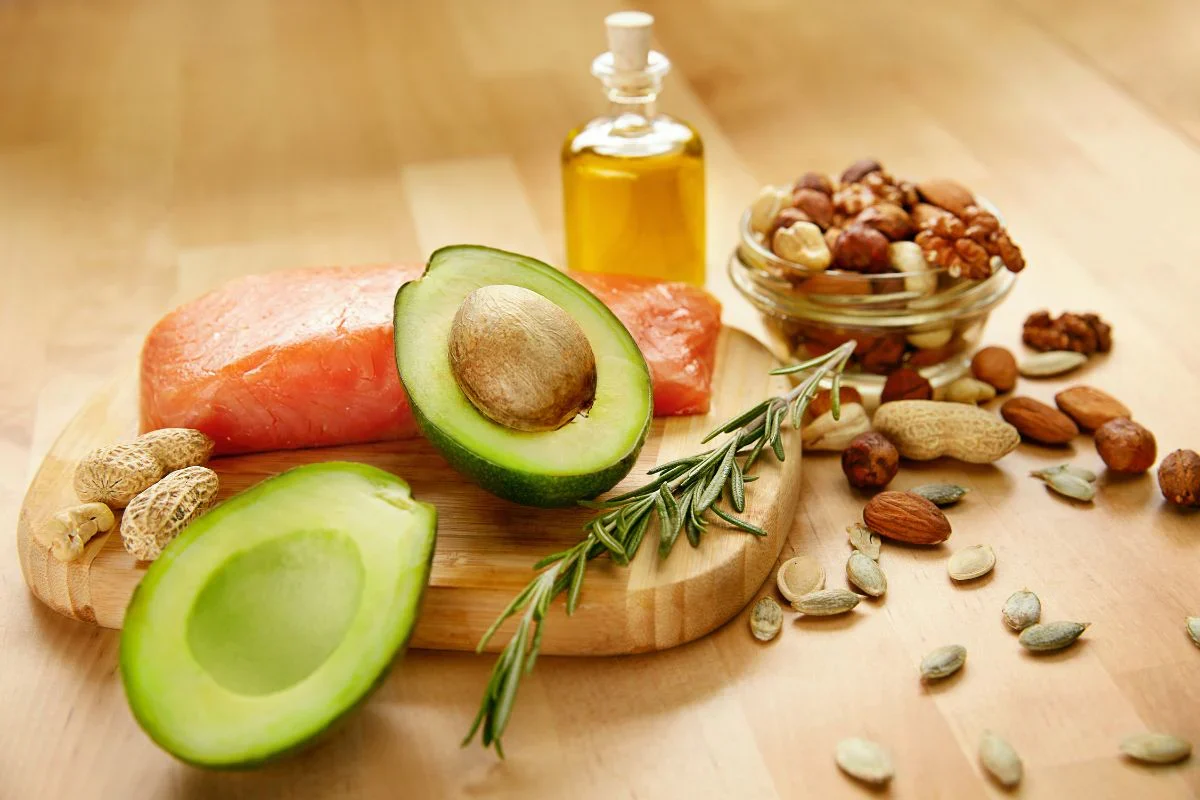
Choose oils and foods where unsaturated fats dominate: extra-virgin olive oil, canola oil, nuts, seeds, avocado, and fatty fish such as salmon, sardines, and trout. These fats tend to improve the lipid profile when they replace saturated fats in the diet.
In practice, aim for swaps rather than additions. For example, use olive oil instead of butter on vegetables, or choose a nut-based snack instead of pastries. A realistic target is to make unsaturated fats the default fat at most meals, while keeping saturated-fat sources more occasional.
Useful tools include reading the fatty acid breakdown when available, checking the ingredient list for oils, and comparing products with similar calories but different fat sources. If a label lists “partially hydrogenated” oils, avoid it.
Limit Trans Fats And Over-Processed Oils
Avoid industrial trans fats by steering clear of foods that contain partially hydrogenated oils. Many regions have reduced industrial trans fats in the food supply, but they can still appear in certain products depending on local regulations and manufacturing practices.
Processing can also matter when oils are repeatedly heated. Deep-frying and high-heat re-use can increase oxidation products, which may contribute to inflammation and endothelial dysfunction. The exact health impact varies by cooking method, frequency, and the specific oil, so the safest approach is to limit frequent fried foods and avoid repeated re-use of frying oil when you control the kitchen.
In practice, treat fried foods as occasional rather than routine. If you cook at home, use fresh oil for frying and follow safe food-handling practices. When eating out, choose cooking methods like roasting, grilling, steaming, or sautéing with measured oil.
Manage Saturated Fat Sources
Saturated fats are not all identical, but high intakes from sources such as butter, cream, cheese, fatty cuts of meat, and many processed foods tend to raise LDL cholesterol compared with diets higher in unsaturated fats. The effect is most relevant when saturated fats replace unsaturated fats.
In practice, reduce saturated-fat density by choosing lower-fat dairy when appropriate, trimming visible fat from meat, and using plant oils for cooking. A realistic approach is to keep saturated-fat foods as “sometimes” choices and build meals around vegetables, legumes, whole grains, and unsaturated-fat toppings.
Tools that help include portion awareness (for example, measuring spreads and oils), and planning meals so that saturated-fat foods do not crowd out fiber-rich foods. Fiber slows carbohydrate absorption and supports favorable lipid metabolism, which interacts with fat choices.
Balance Omega-3 And Omega-6
Omega-3 and omega-6 are essential fatty acids, meaning the body needs them from the diet. Omega-3 fats (such as EPA and DHA from fish and ALA from flax, chia, and walnuts) are linked with anti-inflammatory signaling pathways, while omega-6 fats (such as linoleic acid from many plant oils) support normal physiology.
“Balance” does not mean a single perfect ratio for everyone. The practical goal is to increase omega-3 intake while keeping overall fat quality high. For many people, that means eating fatty fish a few times per week or using ALA-rich plant foods regularly.
In practice, you can add ground flax or chia to yogurt or oatmeal, or include walnuts as a snack. If you do not eat fish, discuss omega-3 supplements with a clinician, especially if you take blood thinners or have bleeding risk, because dose and product quality vary.
Educational Case Examples
Case 1: A person replaces breakfast pastries with oatmeal topped with walnuts and a small drizzle of olive oil. They stop using butter on toast and switch to olive oil-based spreads. Over several weeks, they notice improved satiety and fewer cravings, and a follow-up lipid panel shows LDL cholesterol has not risen as it did during prior months with higher saturated-fat intake. The change works because unsaturated fats and fiber-rich foods replace saturated-fat sources.
Case 2: A person frequently eats fried foods from a takeout menu and uses the same frying oil repeatedly at home for convenience. They also choose packaged snacks labeled “low fat” but made with refined carbohydrates. Their triglycerides and post-meal glucose readings remain elevated. The pattern fits a common mechanism: frequent fried foods and refined carbs can worsen lipid and glucose metabolism, and “low fat” does not compensate for low fiber and high glycemic load.
Fat Quality Checklist
| Decision Point | Tends To Be Better | Tends To Be Worse | What To Do Next |
|---|---|---|---|
| Fat Type | Mostly unsaturated fats (olive oil, nuts, seeds, avocado, fish) | Industrial trans fats; frequent high saturated-fat intake | Use unsaturated fats as the default; treat trans fats as avoid |
| Food Processing | Minimally processed oils; cooking methods like roasting or sautéing | Partially hydrogenated oils; frequent deep-fried foods | Check ingredients; limit fried foods frequency |
| Portion Control | Measured amounts of oil, nuts, and spreads | “Healthy” fats added on top of usual calories | Swap fats, don’t stack them |
| Meal Context | Fats paired with fiber-rich foods (vegetables, legumes, whole grains) | Fats paired with refined carbs and low fiber | Build meals around fiber; keep refined carbs modest |
Common Mistakes
One mistake is treating “unsaturated” as a free pass for unlimited portions. Nuts, seeds, and oils can improve fat quality, but they still add calories quickly. If weight gain occurs, insulin sensitivity can worsen even when fat quality improves.
Another mistake is relying on marketing terms like “trans-fat free” without checking ingredients. Some products may still contain small amounts of trans fats depending on local labeling rules and formulation. Reading the ingredient list for partially hydrogenated oils is more informative than trusting a single front-of-pack claim.
People also overcorrect by cutting all saturated fat while replacing it with refined carbohydrates. That swap can lower LDL cholesterol in some cases but may worsen triglycerides or glucose control when fiber stays low. Fat quality interacts with carbohydrate quality, so both matter.
Cooking errors can undermine healthy choices. Using olive oil for very frequent deep-frying or repeatedly heating oils can increase oxidation products. Choosing cooking methods that do not require high, repeated heat helps preserve oil quality.
Finally, some people focus on one “superfood” and ignore the overall pattern. A diet that includes occasional fish but is dominated by processed foods, low fiber, and high refined carbohydrates can still produce unfavorable lipid and glucose patterns.
FAQ
Which fats raise LDL Cholesterol the most?
Industrial trans fats tend to worsen LDL and HDL levels, and diets higher in saturated fats often raise LDL cholesterol compared with diets higher in unsaturated fats. The effect depends on what saturated fat replaces in the diet.
Are all plant oils healthy?
Many plant oils are rich in unsaturated fats, but “healthy” depends on the oil’s fatty acid profile, the amount used, and how often it is repeatedly heated. Frequent deep-frying and large portions can reduce the benefit.
Is butter always unhealthy?
Butter is high in saturated fat, so frequent use can raise LDL cholesterol when it replaces unsaturated fats. Occasional use within an overall balanced diet is different from daily high intake.
Do omega-3 supplements replace eating fish?
Supplements can increase omega-3 intake, but they do not replicate the full food matrix of fish, and dose and product quality vary. If you take blood thinners or have bleeding risk, discuss supplement use with a clinician.
How can I read a label for fat quality?
Check the ingredient list for partially hydrogenated oils, compare fat sources across similar products, and watch portion size because “healthy fats” still add calories. When available, look for unsaturated-fat-rich ingredients like olive oil, nuts, and seeds.
Author's Insight
Healthy fat choices work through measurable pathways: fatty acid composition influences how the liver packages cholesterol, how cell membranes respond to signaling molecules, and how inflammatory processes behave in vascular tissue. The strongest practical pattern is replacing saturated fats and trans fats with unsaturated fats while keeping fiber-rich foods in the diet. Processing and cooking method can change oil quality, so “oil type” and “how it is used” both matter. Because individual risk factors differ, the most useful approach is to adjust fat quality in the context of overall diet quality and portion size rather than chasing a single food.
Key Takeaways
- Unsaturated fats from olive oil, nuts, seeds, avocado, and fish generally fit better than industrial trans fats and frequent high saturated-fat intake.
- Fat quality depends on what the fat replaces in the diet, not just the total grams of fat.
- Processing and repeated high-heat cooking can reduce oil quality, so limit frequent fried foods.
- Use swaps and portion control: adding “healthy fats” on top of usual calories can still lead to weight gain.
- Omega-3 intake matters, but it works best as part of an overall pattern that includes fiber-rich foods.