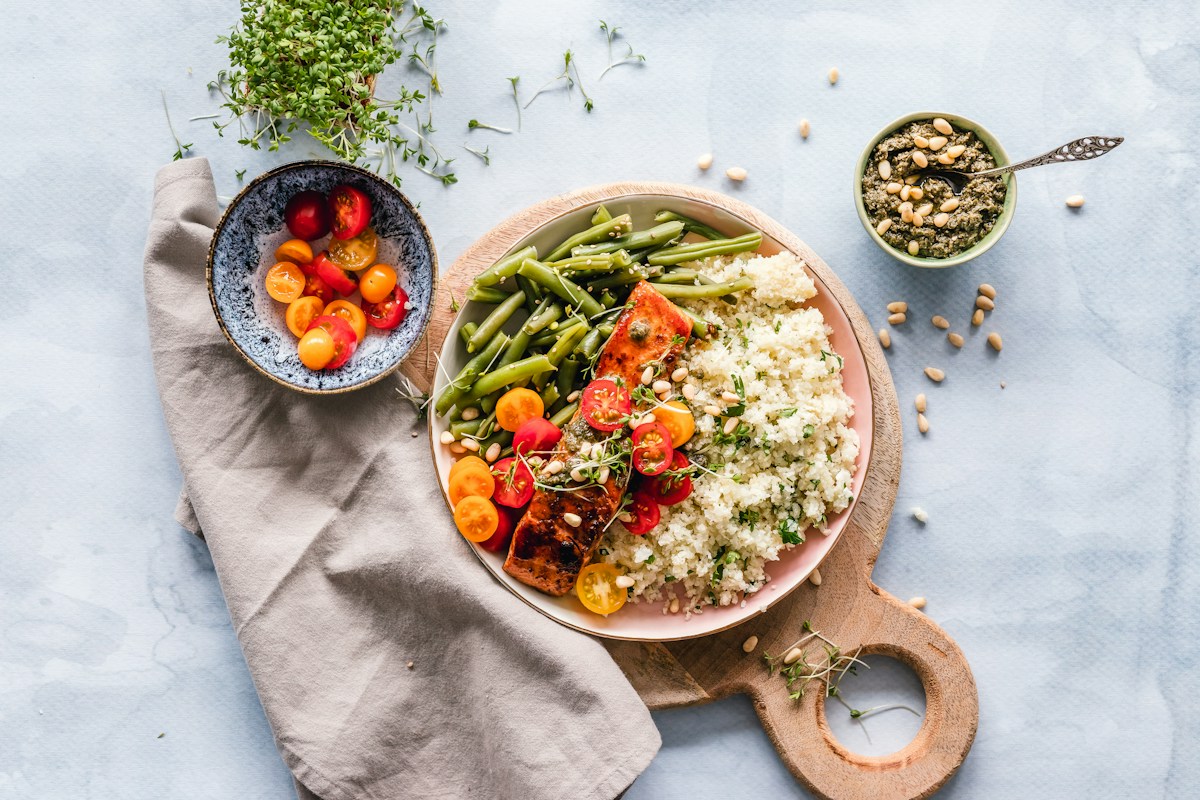
Protein Per Meal Targets
“30 g per meal” is a common rule of thumb used in nutrition planning for muscle maintenance and growth. The idea is that a meal containing roughly 25–35 g of high-quality protein can trigger a strong rise in muscle protein synthesis for several hours. In practice, the number matters less than the combination of total daily protein, protein quality, and how evenly protein is spread across meals.
For example, a person who eats 90 g of protein across three meals averages 30 g per meal. Another person might eat 60 g at dinner and 15 g at breakfast and lunch. Both can reach the same daily total, but the second pattern creates longer stretches with lower amino acid availability, which can reduce the number of “opportunities” for muscle-building signaling.
Protein distribution also interacts with age and activity. Older adults often show a reduced muscle-building response to a given protein dose, which can make per-meal targets more relevant. People doing resistance training may benefit from more frequent protein dosing, while endurance-focused athletes may prioritize total intake and recovery needs.
Common Misunderstandings
One frequent mistake is treating 30 g per meal as a strict threshold. Muscle protein synthesis responds to protein dose in a dose-dependent way, but the curve is not a cliff. Going from 20 g to 30 g can increase the response, yet 40 g does not necessarily double it. If daily protein and meal quality are already strong, small deviations from 30 g often matter less than overall intake.
A second mistake is focusing only on per-meal grams while ignoring total protein. If someone consistently eats below their daily protein needs, distributing that smaller amount across meals cannot fully compensate. The body still needs enough total amino acids across the day to support maintenance and repair.
A third issue is assuming all protein grams behave the same. Leucine, an essential amino acid, plays a key role in turning on muscle protein synthesis signaling. Meals with higher leucine content—often from dairy, eggs, meat, fish, and soy—tend to be more effective per gram than some plant-heavy meals unless plant sources are combined to raise essential amino acid and leucine content.
Real-world consequences show up as slower progress with training, difficulty maintaining muscle during weight loss, or greater muscle loss with aging. Mechanistically, longer periods with low amino acid availability can reduce the frequency of muscle-building signaling, and chronic under-eating protein can shift the balance toward net muscle breakdown.
Finally, meal timing can be overemphasized. The body does not “turn off” muscle protein synthesis after one meal, but the magnitude and duration of the response vary. Sleep, total calories, training load, and overall health status influence outcomes as much as the exact grams per meal.
How To Think About 30 g
Instead of asking whether 30 g per meal is universally required, it helps to ask whether your pattern creates enough protein “coverage” across the day. A practical target is to include a meaningful protein portion at each meal, then adjust based on age, training, and body size. Many people do well with three meals that each contain a protein dose in the range often discussed for muscle-building, while others may prefer four smaller meals.
For some, 30 g per meal is a convenient planning number. For others, especially those with smaller body size or lower total protein targets, 30 g may be more than needed. The most consistent predictor of muscle outcomes is total daily protein and whether it is distributed enough to avoid long gaps.
Step 1: Set Your Daily Protein First
Start with a daily protein goal that matches your situation, then distribute it across meals. In many consumer settings, protein targets are often expressed relative to body weight, but the exact number varies by age, activity, and whether the goal is maintenance, fat loss, or muscle gain. If you already know your daily target, you can translate it into meal portions.
What to do: divide your daily protein grams across meals so each meal includes a substantial portion. If your daily target is 90 g and you eat three meals, that averages 30 g per meal. If your daily target is 70 g, averaging about 23 g per meal may be more realistic, and you can still aim for “coverage” by keeping breakfast and lunch from being too low.
What it looks like in practice: a meal plan with 3 meals and 1 snack can work if the snack is protein-containing. If you prefer two larger meals, you may need to increase the protein per meal to maintain coverage, but that approach can be harder for people who struggle with large portions.
Relevant tools or methods: use a food diary for 2–3 days to estimate grams per meal, then adjust. Many nutrition apps list protein grams per serving, which helps you see whether one meal is carrying most of the protein.
Realistic outcome expectations: when total daily protein is adequate, improving distribution often changes the “shape” of intake rather than creating a dramatic new effect. People may notice better training recovery or fewer stalls, but results vary with training quality and calorie intake.
Step 2: Choose Protein Types With Leucine
Protein quality affects how effectively a meal stimulates muscle protein synthesis. Leucine-rich proteins tend to be more potent per gram. This matters most when meal doses are smaller than the commonly cited 30 g.
What to do: include leucine- and essential amino acid–rich foods at each meal. Examples include Greek yogurt, milk, cheese, eggs, chicken, turkey, beef, fish, and soy foods like tofu and tempeh. For plant-forward meals, combining legumes with grains or using soy can raise essential amino acid completeness.
What it looks like in practice: instead of relying on a small scoop of protein powder at one meal and mostly low-protein foods at others, build each meal around a protein source. If you eat a plant-based breakfast, pairing beans or tofu with whole grains can help reach a more effective amino acid profile.
Relevant tools or methods: check protein grams and protein source. If two meals have the same protein grams but one uses a leucine-rich source, the muscle-building response can differ.
Realistic outcome expectations: improving protein quality can help when you cannot reach higher grams per meal due to appetite, schedule, or gastrointestinal tolerance.
Step 3: Adjust for Age, Training, and Weight Loss
Distribution targets can shift with age and goals. Older adults often show a reduced anabolic response, which can make per-meal dosing more relevant. During weight loss, protein needs often rise because the body is more likely to lose lean mass if protein intake is low.
What to do: if you are older or trying to preserve muscle during calorie reduction, aim for more consistent protein at each meal rather than concentrating it in one sitting. If you train with resistance, consider spreading protein across meals and including a protein-containing meal after training when that fits your schedule and appetite.
What it looks like in practice: a person in their 60s who eats 25 g at breakfast, 25 g at lunch, and 40 g at dinner may do better than someone who eats 10 g at breakfast, 10 g at lunch, and 70 g at dinner, even if daily totals match.
Relevant tools or methods: track not only grams but also meal timing and training days. If you notice soreness and poor recovery, review whether protein is concentrated too heavily at one time.
Realistic outcome expectations: distribution changes can support lean mass retention, but they do not replace resistance training, adequate sleep, and sufficient calories for recovery.
Educational Case Examples
Example 1: Two Patterns With Same Daily Protein
A 35-year-old trains three times per week and eats 90 g of protein daily. Pattern A includes 30 g at breakfast, 30 g at lunch, and 30 g at dinner. Pattern B includes 15 g at breakfast, 15 g at lunch, and 60 g at dinner. Both meet the same daily total, but Pattern A provides more frequent amino acid availability and may better support muscle protein synthesis signaling across the day.
What to watch: if Pattern B is paired with low total calories or poor training recovery, the concentrated pattern can make lean mass maintenance harder.
Example 2: Older Adult and Smaller Meals
A 68-year-old aims for muscle maintenance and eats 75 g of protein daily. They cannot tolerate large portions, so they eat 20 g at breakfast, 25 g at lunch, and 30 g at dinner. This distribution stays within a practical range and avoids long gaps with very low protein intake.
What to watch: if breakfast and lunch become too low on busy days, dinner may not fully compensate. In that situation, adding a protein-containing snack can help restore coverage.
Protein Distribution Checklist
Use this decision support checklist to judge whether “30 g per meal” fits your routine.
| Goal or Situation | Distribution Approach | What “30 g” Means Here | Common Pitfall |
|---|---|---|---|
| Muscle maintenance | 3 meals with protein at each meal | A planning target if your daily total supports it | Skipping breakfast protein and relying on dinner |
| Weight loss | More consistent protein across the day | Often easier to hit with 3–4 protein doses | Cutting protein while cutting calories |
| Older age | Avoid long gaps; consider smaller frequent doses | More relevant when meal doses are lower | Low protein at breakfast and lunch |
| Plant-forward eating | Combine protein sources to improve amino acid coverage | May require higher grams to match leucine effect | Relying on one low-leucine protein source |
- Estimate your protein grams for each meal for 2 days.
- Check whether one meal carries most of your protein.
- Confirm that your daily protein total meets your goal for your age and activity level.
- Adjust meal structure: add protein to the lowest-protein meal rather than only increasing the highest-protein meal.
- Choose protein sources that are rich in essential amino acids, especially leucine.
Common Mistakes
People often chase the per-meal number while ignoring meal composition. A meal that contains 30 g of protein from a low-leucine source may not stimulate the same response as a leucine-rich meal with the same grams.
Another mistake is using protein distribution to justify very low total intake. If daily protein is too low, distributing it across meals cannot prevent net muscle loss during calorie deficits or aging.
Some people also over-rely on supplements. Protein powders and ready-to-drink shakes can help reach targets, but they do not replace the need for overall diet quality, fiber, and adequate calories for training recovery.
Finally, people sometimes assume that more protein per meal always improves outcomes. Very large doses can displace other foods and may cause gastrointestinal discomfort. The goal is a workable pattern that you can repeat consistently.
FAQ
Is 30 g Per Meal Necessary For Everyone?
No. The 30 g figure is a planning target that often works for many people, but the body’s response depends on total daily protein, protein quality, age, and meal composition.
What Happens If I Eat 20 g Instead Of 30 g?
A meal with 20 g can still contribute to muscle protein synthesis, but the response may be smaller than with higher doses. If your daily total and distribution are adequate, 20 g meals can still fit well.
Does Protein Distribution Matter More Than Total Protein?
Total daily protein usually sets the ceiling for muscle maintenance. Distribution can influence how often muscle-building signaling is triggered, but it cannot fully compensate for consistently low daily intake.
Should I Spread Protein Across Three Meals Or Four?
Either can work. Three meals often fit typical schedules, while four smaller protein doses can help if you struggle to eat large portions or if breakfast and lunch are low-protein.
Do Plant Proteins Need Different Targets?
Plant proteins can support muscle-building, but some plant meals provide less leucine per gram or fewer essential amino acids unless sources are combined. This can mean you may need more grams or better pairing to match the effect of leucine-rich animal or soy-based meals.
Author's Insight
The “30 g per meal” idea reflects how muscle protein synthesis responds to amino acid availability after eating. The response is dose-related and influenced by leucine content, so spreading protein across meals can increase the number of times the body receives a strong amino acid signal. The most reliable consumer approach is to meet a daily protein target first, then distribute it so no meal is consistently very low. Exact grams per meal vary with age, training, and food choices, so flexibility matters more than treating 30 g as a strict cutoff.
Key Takeaways
- “30 g per meal” is a practical planning range, not a universal requirement.
- Total daily protein and protein quality usually matter more than hitting one exact number at every meal.
- More even protein distribution can reduce long gaps with low amino acid availability.
- Older adults and people cutting calories often benefit more from consistent protein at multiple meals.
- Use a short food log to see your actual grams per meal, then adjust the lowest-protein meals first.