Light and Circadian Timing
Your internal clock, often called the circadian system, coordinates daily rhythms in sleep–wake behavior, body temperature, hormone release, and metabolism. The brain’s master clock sits in the suprachiasmatic nucleus and receives direct light-related signals from the eyes, so light timing can shift when these rhythms peak and dip.
Two evidence-based facts help frame the topic. First, light exposure can change circadian timing even when it does not feel “bright,” because specialized retinal cells respond to short-wavelength (blue) light and send signals to the brain. Second, melatonin suppression by light is measurable: bright light exposure in the evening can reduce melatonin levels within minutes, which can delay sleep onset and shift the clock later.
Practical examples show why timing matters. Morning light exposure tends to promote earlier sleepiness at night, while late-night light exposure tends to delay sleepiness. A person who works night shifts or studies late often experiences a mismatch between their clock and social schedule, which can show up as difficulty falling asleep, waking too early, or feeling alert at the wrong times.
Common Misunderstandings
Many people treat light as a simple “brightness” problem, but circadian effects depend on timing, spectrum, and duration. A dim light at the wrong time can still shift circadian signaling, while bright light at the right time can strengthen alignment.
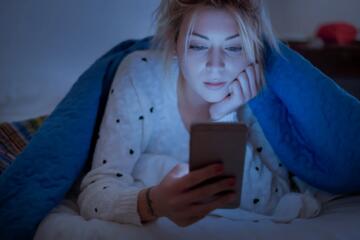
Another misunderstanding is that screens only affect sleep by causing mental stimulation. Cognitive arousal can delay sleep, but light itself also changes circadian signaling through retinal pathways. Even if you feel relaxed, evening light can still suppress melatonin and shift the clock later.
People also underestimate cumulative effects. Repeated evening exposure to bright indoor lighting, overhead LEDs, or outdoor light through windows can gradually move the clock later, especially when morning light is limited. Over time, this can contribute to chronic short sleep, irregular sleep timing, and reduced ability to recover after a late night.
Biologically, the pathway starts with light hitting the retina. Specialized photoreceptors (including melanopsin-containing cells) respond strongly to shorter wavelengths and project to the master clock. The master clock then influences melatonin production in the pineal gland and coordinates downstream rhythms across the body.
In real life, these mechanisms show up in predictable patterns. Late commutes with exposure to streetlights, living with bright nighttime lamps, or using a phone in bed can all increase evening light dose. Conversely, spending mornings indoors with low light levels can weaken the “reset” signal that helps the clock anchor to the day.
Light Strategies that Work
Use morning light for reset
What to do: Get outdoor light soon after waking when possible, aiming for consistent timing rather than a one-time session. If outdoor time is not feasible, use bright indoor lighting and sit near a window, but recognize that outdoor light levels are typically higher.
Why it works: Morning light activates retinal pathways that promote earlier circadian phase. This can make it easier to feel sleepy at a more appropriate time later.
What it looks like in practice: A 10–30 minute outdoor walk in the morning can be a practical starting point. If you live in a region with limited daylight, even brief outdoor exposure during daylight hours can help maintain regularity.
Tools and methods: A simple routine tracker (wake time, time outdoors, sleep onset) helps you see whether morning light is shifting your schedule. Light boxes exist for people who cannot access outdoor light, but they require correct placement and timing.
Realistic outcomes: Many people notice changes in sleep timing within days to a couple of weeks when morning timing is consistent. If sleep timing does not shift, the issue may be evening light exposure, irregular wake times, or other sleep factors.
Reduce evening light dose
What to do: Dim lights in the last 1–2 hours before bedtime and reduce direct exposure to bright sources. Avoid using a phone or tablet at high brightness close to bedtime.
Why it works: Evening light can suppress melatonin and delay circadian signaling, pushing sleepiness later. Reducing light dose lowers the circadian “push” toward a later phase.
What it looks like in practice: Switch from overhead bright LEDs to warmer, lower-intensity lamps. If you must use screens, keep them farther from your eyes and lower brightness.
Tools and methods: Screen filters that shift color temperature can reduce short-wavelength light, but they do not eliminate light exposure. Physical changes—lamp placement, curtains, and turning off bright fixtures—often have a larger effect.
Realistic outcomes: People commonly see earlier sleep onset when evening light is reduced and bedtime routine stays consistent. If you still feel wired, mental stimulation and stress may also be contributing.
Match light to your schedule
What to do: Keep wake time consistent, then align light exposure around that anchor. If you shift schedules (weekends, travel, shift work), adjust light timing rather than only changing bedtime.
Why it works: The circadian system responds strongly to timing cues. A stable wake time helps the clock re-entrain, while shifting bedtime alone often produces irregular sleep timing.
What it looks like in practice: If you wake at 7:00 a.m. on weekdays, aim for a similar wake time on weekends and use morning light to support that anchor.
Tools and methods: A “light log” for 1–2 weeks can reveal patterns, such as late-night screen use or missing morning light on certain days.
Realistic outcomes: Consistency tends to outperform intensity. A moderate morning routine with reduced evening light often works better than occasional high-intensity exposure.
Manage indoor lighting quality
What to do: Pay attention to how your home lighting is distributed. Bright overhead lighting and reflective surfaces can increase effective light exposure in the evening.
Why it works: Circadian effects depend on the light reaching the eyes. Even if the room feels “comfortable,” overhead fixtures can deliver a higher dose to the retina.
What it looks like in practice: Use lower-watt lamps, reduce overhead lighting, and position light sources so they are not directly in your line of sight during the pre-bed routine.
Tools and methods: A simple check is to notice what you see when you sit in your usual evening spot. If the brightest sources are in your direct view, consider changing lamp placement.
Realistic outcomes: Adjusting indoor lighting can reduce evening melatonin suppression risk, though the exact degree varies by room layout and screen use.
Handle shift work carefully
What to do: For night or rotating shifts, treat light as a scheduling tool. Use bright light during the work period and reduce light exposure during the commute home and pre-sleep period.
Why it works: Light can shift circadian phase toward the work schedule. Reducing light after the shift helps protect the sleep period from circadian disruption.
What it looks like in practice: During the night shift, keep work areas well lit and avoid dim, low-visibility environments. On the way home, use sunglasses and reduce exposure to bright outdoor light.
Tools and methods: Sunglasses, room-darkening curtains, and blackout shades can reduce morning light intrusion after a night shift. Some people use timed light exposure plans, but these should be adapted to individual schedules.
Realistic outcomes: Shift work often remains challenging because social and biological rhythms conflict. Light management can improve alignment but does not remove all risks associated with circadian disruption.
Consider sleep timing and duration
What to do: Keep sleep duration adequate and protect the full sleep window. Light strategies work best when sleep opportunity is not repeatedly shortened.
Why it works: Circadian timing and sleep pressure interact. If you reduce evening light but still sleep too little, you may not get the expected improvement in alertness and sleep quality.
What it looks like in practice: If you aim for a 7.5-hour sleep opportunity, avoid frequent late-night delays that cut the window to 5–6 hours.
Tools and methods: Use a consistent “lights out” time and a wind-down routine that does not rely on screens for long periods.
Realistic outcomes: People often notice better sleep regularity when light changes are paired with adequate sleep opportunity.
Use light therapy only with guidance
What to do: If you consider a light box or formal light therapy, use it according to product instructions and discuss fit with a clinician when you have medical conditions or take light-sensitive medications.
Why it works: Light therapy delivers controlled intensity and timing to shift circadian phase. Incorrect timing can worsen sleep or shift the clock in the wrong direction.
What it looks like in practice: Light boxes are typically used in the morning for circadian-related sleep timing issues, but the exact schedule depends on the goal and individual response.
Tools and methods: Look for devices designed for therapeutic light exposure rather than general desk lamps, and track outcomes with sleep onset and wake time.
Realistic outcomes: Some people experience earlier sleepiness and improved rhythm alignment, while others see minimal change. Side effects such as headache or eye discomfort can occur, and timing errors can backfire.
Educational Case Examples
Case 1: Screen-heavy evenings
A 28-year-old works a standard day and goes to bed around 12:30 a.m. They use a phone in bed at high brightness and keep overhead lights on during evening chores. After switching to dim lamps in the last hour, lowering screen brightness, and moving phone use to a couch away from the bed, they notice sleep onset shifts earlier by about 30–60 minutes over 1–2 weeks. Wake time stays consistent, and the person reports less “late-night alertness,” though they still need a wind-down routine to avoid racing thoughts.
Case 2: Morning light is missing
A 43-year-old spends most mornings indoors and starts work at 9:00 a.m. They feel sleepy in the morning and struggle to fall asleep before midnight. They begin taking a 15-minute outdoor walk shortly after waking and open curtains immediately after getting up. Within two weeks, they fall asleep closer to 11:30 p.m. on most nights and wake with less grogginess, while weekend sleep timing improves when wake time remains similar.
Light Timing Checklist
| Situation | What to do | What you should notice | Common pitfall |
|---|---|---|---|
| Can get outdoor light | Aim for morning outdoor exposure soon after waking; keep wake time consistent. | Earlier sleepiness at night and more regular sleep onset. | Skipping morning light on many days while keeping late-night screens. |
| Evenings are bright | Dim indoor lights 1–2 hours before bed; reduce direct bright sources in view. | Less difficulty initiating sleep and reduced “wired” feeling. | Relying on color filters while keeping high brightness close to bedtime. |
| Night shift | Use bright light during the shift and reduce light after the shift with sunglasses and dark sleep space. | Better ability to sleep during the day and less circadian “drag.” | Taking a bright commute home and sleeping in a light-filled room. |
| Considering a light box | Use therapeutic devices with correct timing; discuss fit if you have eye disease or light-sensitive conditions. | Gradual shift toward desired sleep timing when used correctly. | Using it at the wrong time or expecting instant effects. |
Common Mistakes
One frequent mistake is changing only bedtime while keeping wake time and morning light exposure inconsistent. The circadian system anchors more strongly to wake timing and light cues than to bedtime alone.
Another mistake is treating “blue light blocking” as a complete solution. Color filters can reduce short-wavelength light, but they do not remove all light exposure, and they do not address bright overhead lighting or direct screen glare.
People also overestimate how quickly changes work. Circadian adjustments often take days to weeks, so judging results after a single night can lead to abandoning helpful routines too early.
Some use very bright light at the wrong time, especially late evening. That can shift the clock later and worsen sleep timing, even if the person feels more alert during the exposure.
Finally, people sometimes ignore sleep opportunity. If stress, irregular schedules, or short sleep windows persist, light adjustments may not produce the expected improvements.
FAQ
Does dim light at night still affect sleep?
Yes. Circadian effects depend on the light reaching the eyes, timing, and duration. Even dim indoor light can matter if it occurs close to bedtime or stays bright in your line of sight.
Is blue light from screens the main problem?
Light from screens can suppress melatonin and shift circadian signaling, but cognitive stimulation also delays sleep for some people. Both pathways can contribute, and reducing brightness and distance from the eyes helps with the light component.
How much morning light is enough?
Outdoor exposure for roughly 10–30 minutes soon after waking is a common practical starting point, but the best target depends on latitude, weather, and your baseline schedule. Consistency across days usually matters more than a single long session.
Can light changes fix jet lag?
Light timing can help re-entrain the circadian system after travel by shifting the clock toward the destination schedule. The direction and timing of light exposure depend on whether you are traveling east or west and on your local sleep window.
When should I talk to a clinician about sleep timing?
Seek professional advice if sleep problems persist despite consistent light and schedule changes, if you have symptoms of a sleep disorder, or if you have medical conditions or medications that affect light sensitivity or circadian rhythms.
Author's Insight
Light affects the internal clock through a direct retinal pathway that influences melatonin timing and circadian phase. The practical takeaway is that you get more benefit from consistent timing and reduced evening light exposure than from chasing a single “perfect” brightness level.
Because circadian responses vary by individual schedule, eye sensitivity, and environment, outcomes are usually gradual rather than immediate. Tracking wake time, sleep onset, and evening light habits for 1–2 weeks can clarify what is changing and what still needs adjustment.
Light strategies are not a substitute for addressing sleep disorders, medication effects, or major schedule disruptions. When sleep timing remains unstable, professional evaluation can help identify contributing factors beyond light.
What to Remember
Morning light exposure and reduced evening light dose are two practical levers for shifting circadian timing. Aim for consistent wake time, dim lights in the last 1–2 hours before bed, and reduce direct bright sources in your line of sight.
Benefits often appear over days to weeks, and results depend on your baseline schedule, screen use, indoor lighting, and whether you protect adequate sleep opportunity. Light therapy can help some people when used correctly, but timing errors can worsen sleep.
If you have persistent insomnia, irregular sleep timing that does not improve with consistent routines, or symptoms suggesting a sleep disorder, consider discussing your situation with a qualified healthcare professional. If you have eye conditions, light-sensitive conditions, or take medications that increase light sensitivity, get guidance before using therapeutic light devices.