Nighttime Body Temperature Basics
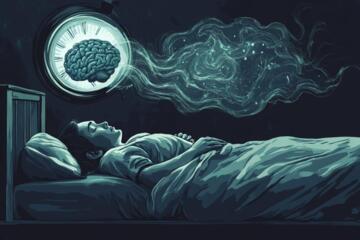
Body temperature is not a fixed number. It changes across the day because the brain coordinates heat production and heat loss with your sleep-wake cycle and daily hormone signals.
In many healthy adults, the lowest body temperature occurs in the early morning hours, often around the time you are deepest asleep. Late afternoon and early evening tend to show higher temperatures, even without illness. This pattern is called circadian rhythm.
Home thermometer readings can look different from one another because the body’s surface temperature and the core temperature do not always move together. Oral, ear, forehead, and skin-based devices measure different compartments, so the same person can show different “normal” ranges depending on the method.
Practical example: a person who checks temperature at 10 p.m. after dinner may record a higher value than the same person checking at 5 a.m. after several hours of sleep. That difference can reflect normal circadian change rather than a new illness.
Common Misreads And Why They Matter
People often treat a single nighttime reading as a complete picture. A one-off number can be misleading because temperature varies with sleep stage, recent activity, hydration status, and the timing of meals.
Another frequent issue is confusing “feeling warm” with fever. Heat sensation can come from a warm room, heavy bedding, anxiety, or hot drinks. Fever is a regulated rise in body temperature driven by the immune system, and it usually comes with a pattern that persists and often worsens over time.
Nighttime fever can also be missed. Some infections produce symptoms that peak later in the day, so a person may feel fine in the afternoon and then develop chills, sweating, or fatigue at night. If temperature checks happen only once in the morning, the pattern can be overlooked.
Biology explains much of the nighttime change. During sleep, the body shifts toward lower metabolic heat production, and blood flow to the skin often changes to match heat conservation. Hormones that influence temperature regulation also follow daily timing, which helps create the typical overnight dip.
Room temperature and clothing matter because they affect heat loss. A cold bedroom can lower skin temperature quickly, which may pull down readings from devices that rely on surface temperature. Conversely, a hot room can raise readings even when core temperature is unchanged.
Alcohol can affect sleep and temperature regulation. It may increase sweating and disrupt sleep architecture, which can lead to more variable nighttime readings. This does not automatically mean illness, but it can make thermometer trends harder to interpret.
Finally, measurement technique can create false reassurance or unnecessary worry. Oral readings taken right after drinking hot or cold beverages can be off. Ear and forehead readings can be affected by device positioning, ear canal shape, and skin contact time.
How To Interpret Night Readings
Use Consistent Timing And Method
Pick a stable schedule and stick to it for several days. For example, check at the same time before bed and again at the same time after waking. Consistency helps you separate circadian rhythm from illness-related changes.
Choose the same thermometer type each time. Oral, tympanic (ear), and forehead devices can differ by several tenths of a degree. If you switch devices, you may mistake a measurement difference for a body change.
In practice, record the time, the device type, and whether you had hot drinks, exercise, or a shower within the previous 30 minutes. These details reduce confusion when readings shift.
Useful tool: a simple log in a notes app or paper chart. Include temperature, symptoms (chills, cough, sore throat, urinary discomfort), and sleep conditions (room temperature, heavy blankets).
Look For Patterns, Not One Number
Fever is more about trend and context than a single reading. A nighttime temperature that rises and stays elevated across multiple checks is more suggestive of a regulated fever than a brief spike that quickly returns to baseline.
Many people use thresholds, but thresholds depend on measurement method and individual baseline. Instead of relying only on one cutoff, compare nighttime values to your own usual overnight range when you feel well.
In practice, you can define a personal “well” range by checking for 3–5 nights when you are not sick. Then, if nighttime readings move outside that range and symptoms develop, you have a stronger basis for deciding whether to seek medical advice.
Realistic outcome: a person who normally reads 36.4–36.8°C (97.5–98.2°F) at 10 p.m. might notice a shift to 38.0°C (100.4°F) or higher during an illness. The key is that the change is both higher than their usual range and persistent.
Account For Environment And Sleep
Before interpreting a low or high reading, consider heat exposure. A warm bedroom, thick bedding, or a feverish feeling without chills can raise surface-based readings. A cold room can lower surface-based readings and make a person appear “cooler” than their core temperature.
Sleep stage also changes physiology. Deep sleep often coincides with the lowest temperatures, so checking during brief awakenings can produce a higher value than checking after uninterrupted sleep.
In practice, aim for a typical sleeping environment when you are tracking baseline. If you change the room temperature or bedding, note it in your log so you can interpret the next reading correctly.
Tool: a basic room thermometer can help you understand whether overnight changes reflect the environment. Even a small shift in room temperature can affect surface temperature measurements.
Know When To Seek Help
Nighttime temperature changes can be part of minor viral illnesses, but some situations warrant prompt medical advice. Seek urgent care or emergency help for severe symptoms such as trouble breathing, confusion, stiff neck, a new rash that spreads quickly, or signs of dehydration (very dry mouth, minimal urination, dizziness).
For fever patterns, consider contacting a clinician if fever persists beyond a few days, repeatedly returns after improving, or is accompanied by localized pain such as severe headache, chest pain, or painful urination. The decision depends on age, underlying conditions, and symptom severity.
In practice, if a nighttime reading is high and the person looks or feels significantly worse, do not wait for the next morning check. Temperature is one data point; overall condition guides urgency.
Limitation: home thermometers cannot directly measure core temperature. If symptoms are concerning, clinical evaluation matters more than the exact number.
Educational Case Examples
Example 1: Variable readings after a late workout. A 32-year-old checks temperature at 11 p.m. after a late evening workout and a warm shower. The forehead thermometer reads higher than usual. Over the next three nights, the person checks at the same time without late exercise and sees lower values consistent with their baseline overnight dip. The pattern suggests measurement context and circadian timing rather than a persistent fever.
Example 2: Night chills with a sustained rise. A 45-year-old develops chills and fatigue in the evening. At 10 p.m., an oral thermometer shows a temperature above their usual range, and repeat checks over the next hours remain elevated. The person also develops a cough the next day. The sustained nighttime elevation plus new symptoms supports the idea of a regulated fever pattern rather than a single environmental fluctuation.
Night Temperature Checklist
| Situation | What You May Notice | What To Check Next | Decision Support |
|---|---|---|---|
| Normal circadian dip | Lower readings during early sleep or early morning | Compare to your own well-range at the same time and with the same device | If you feel well and readings return to baseline, this pattern often fits normal rhythm |
| Environmental effect | Higher or lower readings after changing room temperature or bedding | Note bedroom temperature, clothing, and whether you used a surface-based thermometer | If symptoms are absent and the change tracks the environment, avoid overinterpreting the number |
| Possible fever pattern | Sustained elevation across repeated checks plus chills or new symptoms | Track trend over time and record associated symptoms | If fever persists or symptoms worsen, contact a clinician rather than waiting for a single reading |
| Measurement error | Sudden spikes after hot/cold drinks, incorrect positioning, or inconsistent technique | Repeat using correct technique and the same method | If repeat readings normalize, treat the first value as unreliable |
Common Mistakes
Checking temperature only once at night and treating it as a diagnosis. A single value cannot separate circadian rhythm, environment, and measurement variability.
Switching thermometer types mid-illness. A forehead device and an oral device can produce different readings even when core temperature is unchanged.
Taking oral temperatures immediately after eating, drinking, or smoking. These actions can affect the mouth environment and distort readings.
Ignoring symptoms while focusing on the number. A person with a modest temperature rise but severe symptoms needs medical advice based on overall condition, not only the thermometer.
Assuming low temperature always means recovery. Some people feel better while still having a temperature pattern that fluctuates with sleep and hydration. Low readings can also occur with cold exposure or measurement issues.
FAQ
What Is A Typical Nighttime Temperature?
Many healthy adults show lower temperatures during sleep and higher values later in the day. Your personal “well” range depends on the thermometer type and timing, so comparing nighttime readings to your own baseline is more useful than relying on one universal number.
Why Does My Temperature Drop During Sleep?
Sleep shifts heat production and heat loss, and circadian signals change the body’s temperature set point. Deep sleep often coincides with the lowest temperatures, so readings can fall even without illness.
Can A Warm Bedroom Raise My Reading?
Yes. Surface-based measurements are influenced by room temperature, bedding, and skin blood flow. If your reading changes after changing the sleeping environment, the environment may explain part of the difference.
Is A Night Fever Different From A Day Fever?
Fever can appear at any time, but some infections produce symptoms that worsen in the evening. Nighttime checks can reveal a rising trend that would be missed if you only measure in the morning.
How Often Should I Recheck At Night?
If you are tracking a possible fever, recheck using the same method and technique over a few hours to see whether the value stays elevated or returns to baseline. If symptoms are severe, focus on overall condition and seek medical advice rather than repeated measurements.
Author's Insight
Nighttime temperature patterns reflect a coordinated interaction between circadian timing, sleep physiology, and heat exchange with the environment. Home thermometers measure different body compartments, so the same person can have different “normal” ranges depending on device type and technique. The most reliable consumer approach is to track consistent measurements when well, then interpret nighttime changes in the context of symptoms and measurement conditions. If symptoms are severe or worsening, temperature numbers should not delay appropriate medical evaluation.
Key Takeaways
- Body temperature usually dips overnight due to circadian rhythm and sleep-related changes in heat regulation.
- Interpret nighttime readings using consistent timing and the same thermometer method.
- Trends and symptoms matter more than a single number.
- Room temperature, bedding, alcohol, and measurement technique can shift readings without reflecting core fever.
- Seek urgent help for severe symptoms, and contact a clinician if fever persists or worsens.