How Naps Shape Night Sleep
Naps influence nighttime sleep through two main pathways: sleep pressure and circadian timing. Sleep pressure builds the longer you stay awake, and it drops when you sleep. Circadian timing is your internal clock signal for when your body expects sleep and wakefulness, driven by light exposure and daily routines.
A short nap can reduce daytime sleepiness without fully resetting sleep pressure, which may leave nighttime sleep mostly intact. A longer nap or a nap taken late in the day can reduce sleep pressure enough that bedtime feels harder, and it can also shift the timing of deeper sleep stages toward the nap window.
Practical examples show the range of outcomes. A 10–20 minute nap taken mid-afternoon often helps people feel more alert for the rest of the day. A 90 minute nap taken close to evening can lead to trouble falling asleep, lighter sleep, or more awakenings overnight, even when the person feels tired before bed.
Common Nap Mistakes And Why
Many people treat naps as a single habit, but the effects depend on duration, time of day, and whether the nap includes deep sleep. Deep sleep and rapid eye movement (REM) sleep are not evenly distributed across naps; longer naps are more likely to include these stages, which changes the pattern of sleep you get later at night.
One frequent mistake is napping too long. If a nap lasts long enough to reach deep sleep, waking up can feel groggy, and the body may carry a reduced drive for deep sleep at night. That can translate into a night with more light sleep and more frequent awakenings for some people.
Another mistake is napping too late. Even when the nap is short, late-day sleep can interfere with the circadian signal for sleepiness. Light exposure in the evening and a late nap can combine to delay melatonin-related sleepiness, making bedtime feel “early” to the brain.
People also misjudge sleep debt. If you are severely sleep deprived, a nap may temporarily improve alertness but can also mask the need for a consistent nighttime schedule. Inconsistent sleep timing can keep your circadian rhythm unstable, which makes both naps and nighttime sleep harder to predict.
Some people nap to manage insomnia symptoms, such as lying awake in bed. If the nap occurs after the insomnia pattern begins, it can further reduce sleep pressure and reinforce the cycle of spending more time awake at night.
How To Nap Without Disrupting
Choose Duration And Wake Time
For most people, a nap target of about 10–20 minutes reduces sleepiness while lowering the chance of waking from deep sleep. In practice, setting an alarm and placing it across the room helps you avoid oversleeping. If you need longer recovery, consider a second nap earlier in the day rather than extending one nap into the evening.
Longer naps, often around 60–90 minutes, can include more complete sleep cycles. That can be helpful for some people, but it increases the likelihood of waking from a deeper stage and can reduce nighttime sleep pressure. If you choose a longer nap, keeping it earlier in the day is the main way to reduce the risk of bedtime delay.
Realistic expectation: after adjusting nap duration, changes in sleep onset and awakenings may take several days to stabilize because your routine and circadian rhythm shift gradually.
Time Naps Earlier In The Day
Timing matters because circadian sleepiness typically declines after late afternoon. A nap taken in the mid-afternoon window is more likely to support nighttime sleep than a nap taken close to bedtime. In practice, many people use a rule of thumb: if the nap would push bedtime later than usual, it is probably too late.
If you work shifts, timing becomes more individualized. The same biological principles apply, but the “late” portion of your day depends on your light exposure and work schedule. Keeping nap timing consistent across workdays can reduce rhythm disruption.
Realistic expectation: a late nap may not cause immediate insomnia, but it can increase the odds of delayed sleep onset and lighter sleep later that night.
Use Light And Caffeine Strategically
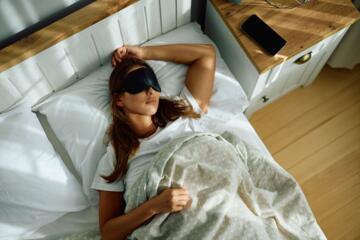
Light exposure influences circadian timing. If you nap, keep the environment dim during the nap and return to normal light afterward to avoid confusing your internal clock. In practice, a dark room or eye mask can help you fall asleep quickly for short naps.
Caffeine can also interact with naps. If you nap and then drink caffeine, the caffeine may delay sleepiness at night. If you rely on caffeine for daytime alertness, consider stopping it several hours before bedtime and avoid “caffeine + long nap” combinations that can blunt nighttime sleep pressure.
Realistic expectation: caffeine half-life varies by person, so the safest approach is to treat the cutoff window as personal and conservative, especially if you notice delayed sleep onset.
Track Sleep With Simple Logs
Because nap effects differ across individuals, a brief sleep log helps you see patterns. Track nap start time, nap duration, whether you woke up groggy, bedtime, time to fall asleep, and number of awakenings. A 7–14 day log is often enough to identify whether your naps correlate with later bedtime or more fragmented sleep.
In practice, a phone note or spreadsheet works. If you use a wearable, treat it as supportive data rather than a definitive measure of sleep stages.
Realistic expectation: you may see improvements in sleep onset first, while sleep depth indicators may lag or vary day to day.
Educational Case Examples
Case 1: Short Nap, Stable Nights
A person with weekday sleep restriction naps at 3:30 p.m. for 15 minutes using an alarm. Over the next week, they report falling asleep at about the usual time and waking fewer times than on days when they skip the nap and try to push through. They still feel tired on some nights, but the pattern does not shift toward later bedtimes.
Interpretation: the nap reduces daytime sleepiness without fully draining sleep pressure, and the timing stays away from the evening circadian window.
Case 2: Late Long Nap, Delayed Bedtime
A person with irregular bedtime takes a 90 minute nap at 6:00 p.m. after feeling exhausted. The next several nights show delayed sleep onset and more time awake in bed, even though they feel less sleepy during the evening. When they shorten the nap to 20 minutes and move it to early afternoon, bedtime timing returns closer to baseline.
Interpretation: the late nap likely reduced sleep pressure and interfered with circadian sleepiness, shifting the sleep timing window.
Nap Decision Checklist
| Nap Plan | Best For | Main Risk | What To Watch |
|---|---|---|---|
| 10–20 minutes (alarm set) | Afternoon sleepiness, brief recovery | Waking groggy if you oversleep | Time to fall asleep at night, morning alertness |
| 60–90 minutes (earlier) | When you need a fuller recovery | Reduced nighttime sleep pressure | Delayed bedtime, more awakenings |
| No nap (schedule focus) | If naps consistently disrupt sleep | Daytime sleepiness and safety risks | Ability to stay alert for driving/work |
Step-by-step checklist for a “sleep-friendly” nap:
- Pick a nap window earlier in the day and set an alarm.
- Start with 10–20 minutes if nighttime sleep is a priority.
- Keep the nap environment dim and quiet.
- Avoid caffeine right after the nap if bedtime is within a few hours.
- For 1–2 weeks, log bedtime, sleep onset time, and awakenings.
- If bedtime consistently shifts later, shorten the nap or move it earlier.
Common Mistakes To Avoid
Extending naps to “catch up” often backfires because it reduces sleep pressure at the wrong time. If you wake up groggy, that is a sign you likely overslept into deeper stages; shortening the nap usually reduces that effect.
Using naps as a substitute for a consistent bedtime schedule can keep circadian timing unstable. Even when naps feel helpful, irregular sleep timing can make nighttime sleep harder to consolidate.
Napping in bright light or with stimulating activities right after waking can delay the return of sleepiness signals. A short period of normal daytime light exposure after the nap is usually better than staying in dim conditions for hours.
Ignoring safety needs is another issue. If sleepiness is severe, a nap plan should include practical safety steps, such as avoiding driving when drowsy and planning rest breaks.
FAQ
How Long Should A Nap Be?
Many people start with 10–20 minutes to reduce sleepiness while lowering the chance of waking from deep sleep. Longer naps can work for some people, but they raise the risk of delayed sleep onset if taken late.
What Time Of Day Is Safest?
Naps taken earlier in the day tend to interfere less with nighttime sleep than naps taken close to bedtime. If you notice bedtime delays after a certain time, move the nap earlier.
Can A Nap Cause Insomnia?
A nap can contribute to insomnia-like symptoms by reducing sleep pressure and shifting circadian sleepiness, especially when the nap is long or late. The effect varies by person and routine.
Is Waking Up Groggy A Bad Sign?
Grogginess often suggests you woke from a deeper sleep stage. That pattern can correlate with reduced nighttime sleep pressure, so shortening the nap or setting a tighter alarm can help.
Do Shift Workers Need Different Nap Rules?
Shift workers can use the same principles—duration and timing relative to their personal circadian rhythm. Consistent nap timing and attention to light exposure often matter more than clock time.
Author's Insight
Naps affect nighttime sleep mainly by changing how much sleep pressure remains and by interacting with circadian timing. Short naps earlier in the day usually create less disruption because they reduce sleepiness without fully resetting deeper sleep needs. Longer or late naps more often include deeper sleep and can delay sleep onset at night. Since individual responses vary, the most practical approach is to adjust nap duration and timing while tracking bedtime and sleep onset over 1–2 weeks.
Key Takeaways
- Nap effects depend on duration and time of day, not just the fact that you napped.
- 10–20 minute naps earlier in the day are the most common starting point for protecting nighttime sleep.
- Long or late naps can reduce nighttime sleep pressure and delay sleep onset for some people.
- Use a short sleep log to identify patterns and adjust nap timing based on your own bedtime response.