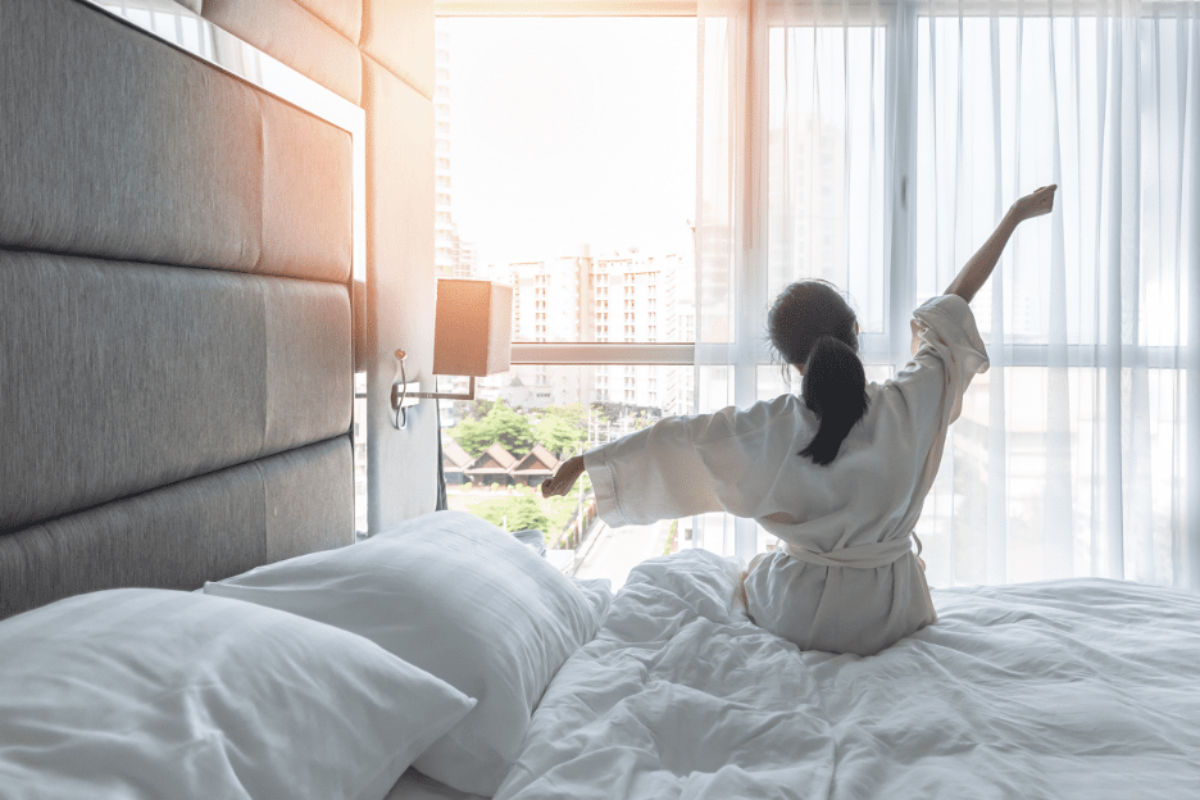
Science of Sleep
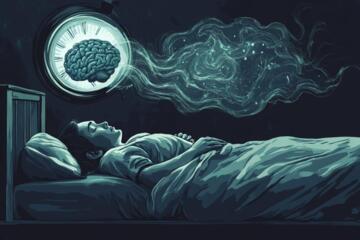
Sleep is not a passive state of "turning off"; it is an active metabolic clearance process. During non-REM sleep, the brain's glymphatic system flushes out neurotoxic waste, such as beta-amyloid, at a rate significantly higher than during waking hours. To facilitate this, your environment must signal the pineal gland to secrete melatonin without interference.
Practically, this means moving beyond "dark and quiet." For instance, a study published in the Journal of Clinical Sleep Medicine found that individuals in environments with controlled ambient temperatures between 60-67°F (15-19°C) reached restorative REM cycles 15% faster than those in warmer rooms. Modern residential engineering now focuses on "Bio-Hacking" the bedroom to mimic prehistoric caves—cool, pitch black, and silent.
Real-world data shows that even a 10-lux light leak (roughly the glow of a streetlamp through a thin curtain) can suppress melatonin production by over 50%. Establishing a sanctuary is about eliminating these microscopic physiological stressors to ensure your body remains in a parasympathetic state throughout the night.
Modern Bedroom Faults
The most frequent error is "Blue Light Pollution" from integrated tech. Even if you aren't looking at your phone, the standby lights on monitors, humidifiers, or power strips emit short-wavelength light that penetrates the eyelids. This disrupts the suprachiasmatic nucleus (SCN), the body's master clock, leading to delayed sleep phase syndrome.
Another overlooked pain point is "Micro-Climate Volatility." Many people invest in expensive mattresses but use synthetic polyester sheets that trap heat, causing the body’s core temperature to spike at 3:00 AM. This results in fragmented sleep where the user wakes up feeling unrefreshed despite spending 8 hours in bed.
Finally, there is the issue of Acoustic Startle Response. It isn't just loud noises that wake you; it’s the change in sound levels. A silent room makes the occasional car horn or floor creak sound like a gunshot to the subconscious mind. Failing to manage the "sound floor" of the room keeps the amygdala on high alert, preventing the deepest stages of physical repair.
Strategies for Rest
Building a sanctuary requires a multi-layered approach involving air quality, thermoregulation, and light hygiene. Here is how to execute an expert-level setup.
Precision Climate Control and Hydronic Cooling
To achieve the optimal 65°F (18°C) sleeping temperature without skyrocketing electricity bills, look toward conductive cooling rather than convective AC. Systems like the ChillyPad or Eight Sleep Pod 4 use hydronic (water-based) thermal regulation. These allow you to set the surface of your mattress to a specific temperature, which is more effective at lowering core body heat than cooling the air in the entire room. Statistics indicate that users of active cooling systems report a 20% increase in Deep Sleep scores on wearables like Oura or Whoop.
HEPA-13 Filtration for Respiratory Recovery
Airborne particulates (PM2.5) cause low-level inflammation in the airways, leading to snoring and reduced oxygen saturation. Installing a Blueair HealthProtect or a Molekule air purifier ensures that the air is exchanged at least five times per hour. Removing allergens and dust mites reduces the nocturnal cortisol load, allowing the immune system to focus on cellular repair rather than fighting irritants.
Biophilic Design and VOC Elimination
The materials surrounding you matter. "Off-gassing" from cheap memory foam mattresses containing Volatile Organic Compounds (VOCs) can cause headaches and congestion. Transitioning to organic latex mattresses from brands like Avocado Green or Saatva ensures a non-toxic environment. Complement this with biophilic elements like snake plants (Sansevieria), which uniquely convert CO2 into oxygen at night, unlike most plants that do the opposite.
Total Optical Isolation Strategies
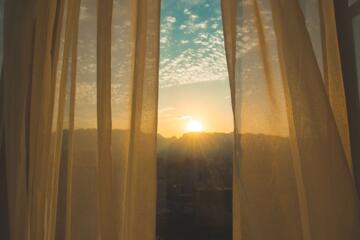
Standard "blackout" curtains often have light leaks at the top and sides. True sanctuary design utilizes side tracks or "U-channels" to seal the window completely. If structural changes aren't possible, a Manta Sleep Mask offers 100% blackout without putting pressure on the eyeballs. This allows for total darkness, which is the most potent natural trigger for human growth hormone (HGH) release during the night.
Acoustic Masking with Pink Noise
While white noise is popular, "Pink Noise"—which has more power at lower frequencies—is more effective at masking disruptive sounds while promoting stable brain waves. Using a dedicated analog machine like the Snooz (which uses a real fan) or a high-fidelity digital generator prevents the "looping" sensation that some people find distracting in cheap apps. This creates a consistent "sound cocoon" that lowers the startle threshold.
Implementation Cases
Case Study 1: The Executive Recovery Project
A CEO of a fintech startup struggled with mid-night waking and brain fog. We audited his room and found a 74°F ambient temperature and significant blue light from a router.
Action: Installed Eight Sleep cooling cover, moved all tech to a "charging station" outside the bedroom, and added Lutron automated blackout shades.
Result: HRV (Heart Rate Variability) increased by 18% over 30 days, and time-to-sleep (latency) dropped from 45 minutes to 12 minutes.
Case Study 2: The Urban High-Rise Optimization
A resident in a noisy downtown area suffered from interrupted REM cycles due to street noise and light pollution.
Action: Added Indow acoustic window inserts (reducing noise by 50%) and a dual-HEPA filtration system to combat city smog.
Result: Deep sleep duration increased by 40 minutes per night as measured by Apple Watch Ultra sleep tracking metrics.
Optimization Checklist
| Category | Standard vs. Sanctuary Grade |
|---|---|
| Temperature | From 68-72°F down to 65°F with active mattress cooling. |
| Light | From curtains to side-channel blackout + 0% LED standby. |
| Air Quality | From open windows to HEPA-13 + Carbon (MERV 17). |
| Sound | From silent room to Non-looping Pink Noise (45-50 dB). |
| Bedding | From cotton blend to 100% Tencel or Bamboo fabrics. |
Sanctuary Pitfalls
One of the biggest mistakes is the "over-automation" trap. Smart bulbs that require a phone app to turn off actually force you to look at a screen right before bed. Use physical, amber-tinted switches or voice-controlled systems that don't require visual engagement. Avoid "smart" devices that emit a blue "connected" LED light; cover these with LightDims stickers.
Don't ignore the "Visual Clutter" factor. A bedroom filled with laundry, bills, or gym equipment triggers "cognitive popcorn," where the brain begins scanning tasks instead of winding down. The sanctuary must be visually minimalist. If you can see your treadmill from your bed, your brain associates the space with effort, not recovery.
Finally, avoid the "Weekend Sleep-In" myth. Keeping a sanctuary is useless if you break the rhythm on Saturdays. Use your optimized environment to maintain a consistent wake-up time within a 30-minute window, seven days a week. This anchors your circadian clock, making the sanctuary’s features even more effective.
FAQ
Is an air purifier really necessary for sleep?
Yes. Poor air quality leads to micro-awakenings that you won't remember but will feel the next day. A HEPA-13 filter removes allergens that cause nasal congestion, ensuring you breathe through your nose, which is critical for maintaining oxygen levels and preventing dry mouth.
What is the best color light for a bedroom?
Amber or Red. Wavelengths above 600nm have virtually no impact on melatonin suppression. Use red nightlights in bathrooms or hallways for mid-night trips to avoid "resetting" your internal clock.
Does mattress material affect sleep quality?
Significantly. Memory foam often "sleeps hot" because it traps air. Natural latex or hybrid mattresses with pocketed coils allow for better airflow. If you feel stuck or sweaty, the material is likely the culprit.
How do I block noise if I live on a busy street?
Heavy velvet curtains help, but "Soundplugs" or active noise-canceling earbuds (like QuietOn 3.1) are more effective for low-frequency rumbles like buses. Combining these with a pink noise machine creates a multi-layered acoustic barrier.
Can I have a TV in my sleep sanctuary?
Ideally, no. The bedroom should be reserved for sleep and intimacy only. If you must have one, use a "Warm" picture setting to reduce blue light and set a sleep timer to ensure it doesn't stay on once you drift off.
Author’s Insight
In my years of studying residential wellness, I’ve found that the biggest shift happens when you stop viewing your bedroom as a room and start viewing it as a medical tool. Personally, switching to a high-density wool topper and installing 100% blackout film on my windows changed my recovery more than any supplement ever did. My advice: start with "Light and Cold." If you get the temperature to 65 degrees and the light to absolute zero, you’ve already solved 80% of the problem. Don't overcomplicate it with gadgets until you've mastered the physics of the room.
Summary
Creating the perfect sleep sanctuary is a technical endeavor that yields compounding interest in the form of cognitive clarity and physical longevity. By prioritizing a "Cave-Like" environment—characterized by thermal stability, 0-lux darkness, and HEPA-grade air—you remove the friction between your body and its natural recovery processes. Start by auditing your current light leaks and temperature settings today. The transition from a standard bedroom to an optimized sanctuary isn't just a home improvement project; it is an essential investment in your long-term health. Implement one change per week, starting with blackout solutions, to build a resilient foundation for rest.