Cognitive Night Shift
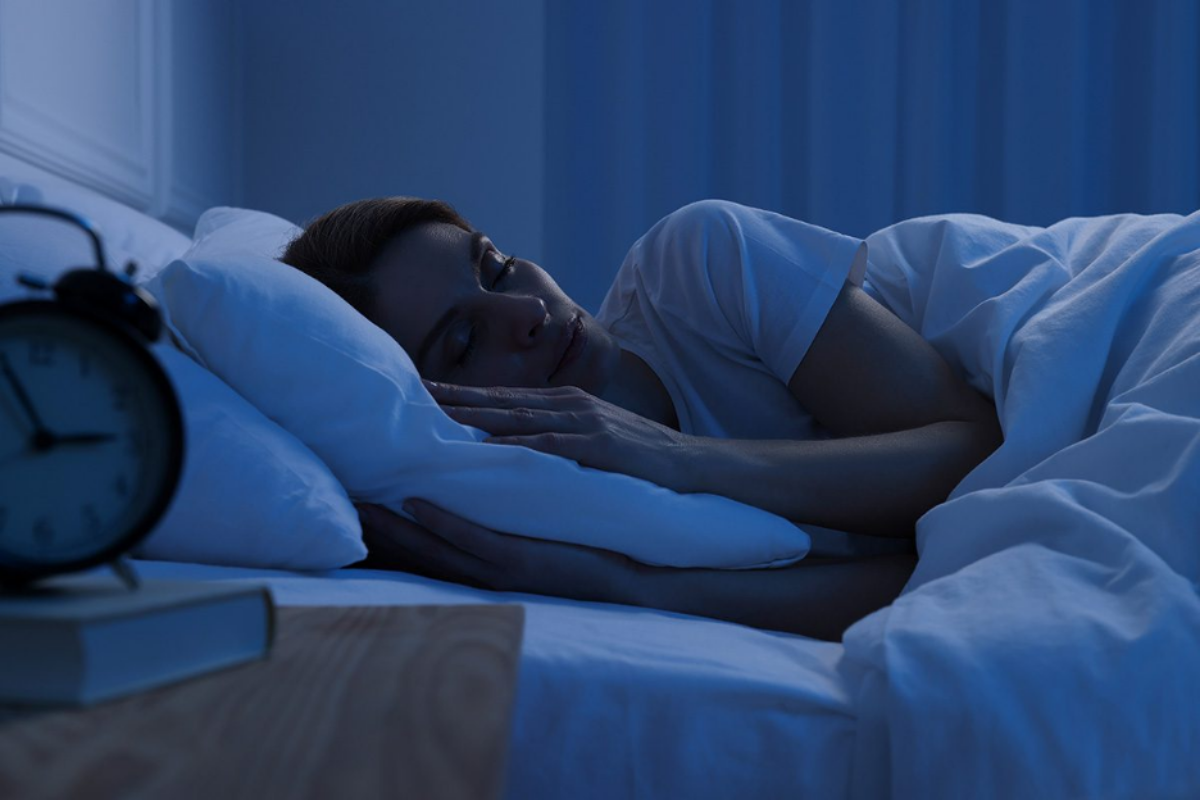
Deep sleep, or Stage 3 non-rapid eye movement (NREM), is not a state of neural silence. It is an intense period of cerebral logistics where the brain shifts from "acquisition mode" to "archiving mode." During this phase, the brain generates slow, high-amplitude delta waves that synchronize the transfer of data between different brain regions.
Think of your brain as a high-speed server. During the day, the hippocampus acts as a temporary cache, recording everything from your morning coffee order to complex coding syntax. However, the hippocampus has a limited capacity. Without the "cleansing" and "uploading" process of deep sleep, new incoming data eventually overwrites the old, leading to significant memory decay. Data from the Division of Sleep Medicine at Harvard Medical School suggests that missing just one night of deep rest can reduce the ability to learn new information by up to 40%.
In practice, a medical student cramming for 20 hours straight is actually working against their biology. While they are "inputting" data, the neural gates to the long-term storage (the neocortex) remain closed because the system hasn't had the restorative downtime required to open them. Real-world observations show that subjects who sleep after a task perform significantly better in recall tests than those who remain awake for the same duration.
Costs of Fragmentation
The modern professional often prides themselves on "getting by" on five hours of sleep, unaware of the compounding interest of cognitive debt. The primary mistake is the reliance on caffeine or modafinil to mask adenosine buildup, which does nothing to facilitate the actual memory consolidation that only occurs during NREM cycles.
When we skip deep sleep, we experience "synaptic saturation." The synapses (the connections between neurons) remain strengthened from the previous day's activities, leaving no room for new connections to form. This leads to brain fog, decreased emotional regulation, and a catastrophic drop in creative problem-solving. Research by Dr. Matthew Walker, author of Why We Sleep, indicates that a sleep-deprived brain is 60% more reactive to negative stimuli, explaining why high-stress environments often crumble when teams are overworked.
The consequences extend to physical health. During deep sleep, the glymphatic system—a waste-clearance pathway—becomes ten times more active, flushing out beta-amyloid, a protein fragment associated with Alzheimer’s disease. Chronic neglect of this phase isn't just a productivity issue; it is a long-term neurological risk.
Strategic Interventions
Optimizing for deep sleep requires more than just "going to bed earlier." It involves a systematic approach to thermal regulation, chemical timing, and environmental control. Here are the specific levers you can pull to increase your Stage 3 NREM percentage.
Mastering the Thermal Window for Neural Recovery
The brain requires a drop in core body temperature of about 1°C (2°F) to initiate deep sleep. This is why it is easier to sleep in a cold room than a hot one. Professionals use tools like the Eight Sleep Pod 4 or Chillypad to dynamically adjust mattress temperature throughout the night. If these are unavailable, a warm bath 90 minutes before bed causes blood to rush to the surface, effectively cooling the core when you exit the tub.
Managing the Adenosine-Caffeine Conflict
Adenosine is the chemical that builds up in your brain the longer you are awake, creating "sleep pressure." Caffeine doesn't eliminate adenosine; it simply blocks the receptors. When the caffeine wears off, a flood of adenosine hits the brain, often causing a crash that disrupts the first—and most important—deep sleep cycles of the night. A strict "no caffeine after 12:00 PM" rule is a standard recommendation for elite athletes and surgeons to ensure their deep sleep cycles remain uninterrupted.
The Role of Magnesium and Micronutrients
Magnesium acts as a natural relaxant by regulating the neurotransmitter GABA. Clinical studies involving Magnesium Threonate—which is uniquely able to cross the blood-brain barrier—show a correlation with increased deep sleep duration. Unlike pharmaceutical sedatives (like Ambien), which actually suppress the high-quality delta waves required for memory, specific mineral supplementation supports the natural architecture of the sleep cycle.
Eliminating Blue Light and Phase-Shifting
Melatonin is the "starting gun" for sleep. Exposure to blue light (450–480nm wavelength) from smartphones and laptops suppresses melatonin production for up to three hours. Expert-level hygiene involves using f.lux on desktops or wearing orange-tinted blue light blockers (like Ra Optics or Swanwick) after sunset. This preserves the natural circadian rhythm, ensuring you hit deep sleep faster once your head hits the pillow.
Quantifying Progress with Biometric Feedback
You cannot manage what you do not measure. Using wearables like the Oura Ring Gen3 or Whoop 4.0 allows you to track your "Deep Sleep" metric specifically. A healthy adult should aim for 1.5 to 2 hours of deep sleep per night. If your data shows less than 15% of your total sleep time is deep, it is a signal to adjust your evening routine or check for issues like sleep apnea.
Consistency and the Rhythmic Brain
The brain operates on an internal clock known as the Suprachiasmatic Nucleus. Going to bed and waking up at the same time—even on weekends—anchors this clock. This consistency allows the brain to anticipate the onset of deep sleep, making the transition from Stage 2 to Stage 3 much more efficient. Irregular patterns lead to "social jetlag," where the brain spends the night trying to recalibrate rather than consolidating memories.
Cognitive Optimization
In 2022, a high-stakes legal firm in New York participated in a sleep optimization pilot program. The team of 15 senior associates was struggling with burnout and high error rates in document review. They were provided with Oura Rings and coached to prioritize a 10:00 PM to 6:00 AM sleep window, accompanied by a ban on emails after 8:00 PM.
Within 90 days, the average deep sleep duration per employee increased from 42 minutes to 88 minutes. The result was a 22% increase in billable efficiency and a 30% reduction in "fatigue-related errors" during litigation. More impressively, the associates reported a significantly higher "transfer of learning," meaning they were able to recall case law nuances without re-reading files, saving hours of prep time.
A second case involved a professional esports team. By implementing a strict temperature-controlled environment and removing all digital screens one hour before sleep, the team’s reaction times improved by 12 milliseconds—a massive margin in professional gaming. Their ability to synthesize new strategies during overnight "rest periods" led to a 15% improvement in tactical execution during tournament play.
Comparing Rest Approaches
| Approach | Impact on Deep Sleep | Primary Benefit | Difficulty Level |
|---|---|---|---|
| Temperature Control (18°C) | High | Faster Sleep Onset | Low |
| Digital Detox (1hr pre-bed) |
Very High | Melatonin Optimization | Medium |
| Sedative Medication | Negative | Induced Unconsciousness | High Risk |
| Magnesium Supplementation | Moderate | Nervous System Regulation | Low |
| Consistent Wake Time | High | Circadian Alignment | Medium |
Common Pitfalls
A frequent error is the "Sleep Catch-up" myth. Many believe they can sleep 4 hours during the week and 12 hours on Sunday to compensate. Unfortunately, memory consolidation is a real-time process. Once that window of opportunity for the day's information is lost, it cannot be recovered. You cannot "back-save" memories from Tuesday on a Saturday morning.
Another mistake is the use of alcohol as a sleep aid. While a glass of wine might help you fall asleep faster, it is a potent suppressor of both REM and deep NREM sleep. Alcohol fragments sleep, causing micro-awakenings that prevent the brain from entering the deeper, restorative stages. Even one drink can reduce the quality of your neurological "archiving" by 20% to 30%.
Finally, over-training in the gym late at night can spike cortisol and core body temperature. While exercise is generally good for sleep, vigorous activity within three hours of bedtime keeps the nervous system in a "sympathetic" (fight or flight) state, which is the antithesis of the "parasympathetic" state required for deep sleep.
FAQ
How can I tell if I'm getting enough deep sleep without a tracker?
A primary indicator is "sleep inertia." If you feel extremely groggy for more than 30 minutes after waking, or if you feel the need to nap by 2:00 PM, you likely missed out on your required deep sleep cycles. Another sign is the inability to remember names or facts you learned just 24 hours prior.
Can binaural beats or white noise increase deep sleep?
There is emerging evidence that "pink noise" or slow-wave acoustic stimulation can enhance the amplitude of delta waves. Apps like Endel or SleepSpace use specific frequencies to help synchronize brainwaves, though the effect is secondary to basic hygiene like temperature and light control.
Does age affect how much deep sleep we get?
Yes. As we age, the quality and duration of deep sleep naturally decline. By age 70, you may have lost 80% to 90% of the deep sleep you had in your teens. This makes it even more critical for older adults to be disciplined with sleep hygiene to preserve cognitive function.
Is a nap a good substitute for lost nighttime deep sleep?
A "Power Nap" (20 minutes) is great for alertness, but it doesn't reach Stage 3 deep sleep. A longer nap (90 minutes) can include deep sleep, but it may interfere with your ability to fall asleep at night. Naps are a tool for recovery, not a replacement for the nocturnal archiving process.
Does "mouth taping" help with deep sleep?
Mouth taping (using a small piece of medical tape like Hostage Tape or Myotape) encourages nasal breathing. Nasal breathing increases nitric oxide intake and prevents the micro-arousals associated with snoring and sleep apnea, which frequently kick the brain out of deep sleep.
Author’s Insight
In my years of studying cognitive performance, I have found that sleep is the single most effective legal performance enhancer available. I used to be a "hustle culture" advocate, sleeping four hours a night to build my first company. I realized later that I wasn't being productive; I was just busy making mistakes that I had to fix the next day. Once I shifted to a data-driven sleep protocol—prioritizing a cold room and magnesium—my ability to synthesize complex information improved overnight. Treat your sleep like a professional athlete treats their training: it is the foundation of everything you do.
Summary
Deep sleep is the invisible architect of the human mind. It is during these quiet hours that our experiences are transformed into knowledge and our skills are etched into our neural circuitry. To maximize your learning potential, stop viewing sleep as a luxury or a period of inactivity. Start by lowering your bedroom temperature to 18°C, cutting off blue light 60 minutes before bed, and maintaining a consistent wake time. By protecting your deep sleep, you are not just resting—you are building a more intelligent, resilient, and capable version of yourself.