Cellular Hydration
Standard tap or filtered water often passes through the digestive tract too quickly, leading to frequent urination without meaningful cellular uptake. True hydration is defined by the presence of structured water (H3O2), often called the fourth phase of water, which is naturally abundant in living plant tissues. This gel-like state allows the body to absorb moisture more slowly and effectively.
In clinical practice, we see patients drinking 3 liters of water daily yet exhibiting clinical signs of dehydration like brittle hair and brain fog. This is often due to a lack of minerals. According to data from the NHANES study, approximately 75% of Americans are chronically dehydrated, not necessarily from a lack of liquid, but from a deficit in the minerals required to transport that liquid across cell membranes.
Consider the "Cucumber Effect." A cucumber is about 96% water, but that water is bound to fiber and silica. In a 2009 study at the University of Aberdeen Medical School, researchers found that the combination of salts, sugars, and mineral salts in certain fruits and vegetables actually hydrated people twice as effectively as a glass of water or a standard sports drink.
Dehydration Risks
The primary mistake in modern wellness is "over-flushing." When you consume massive quantities of plain, distilled, or RO-filtered water without replacing electrolytes, you risk diluting your blood sodium levels. This leads to a state of cellular thirst where cells shrink because the osmotic pressure is off-balance.
This issue is critical for neurological health. The brain is roughly 73% water; a drop of just 2% in hydration can trigger immediate lapses in short-term memory and focus. Many professionals mistake this "mid-afternoon slump" for a need for caffeine, which, as a diuretic, only exacerbates the underlying fluid deficit.
Real-world consequences include increased cortisol production and decreased metabolic rate. When the body senses a lack of intracellular fluid, it slows down energy production in the mitochondria to conserve resources. This manifests as "unexplained" weight gain or resistance to fat loss, despite a calorie deficit.
The Vital Role of Silica in Skin Elasticity
Silica is a trace mineral found in high-water-content vegetables like radishes and bell peppers. It acts as a structural bridge, holding water molecules within the collagen matrix. Without it, your skin cannot maintain turgor, regardless of how many gallons of water you drink daily.
Potassium vs. Sodium: The Osmotic Pump
Intracellular hydration relies on the sodium-potassium pump. Most modern diets are over-indexed on sodium but deficient in potassium (found in avocados and spinach). Increasing "food-based water" helps restore this 3:2 ratio, allowing water to actually enter the cell rather than sitting in the extracellular space as bloating.
Structured Water and Mitochondrial Function
Mitochondria require a specific fluid environment to produce ATP (Adenosine Triphosphate). Using tools like the Lumen metabolism tracker, we can see that individuals with better cellular hydration profiles have more flexible metabolic switches, burning fat more efficiently than those who are "dry" at a cellular level.
The Fiber-Hydration Synergy
Soluble fiber, such as the pectin found in apples or the mucilage in chia seeds, creates a time-release mechanism for hydration. It slows down gastric emptying, ensuring that the small intestine has more time to absorb minerals and fluids into the bloodstream.
Antioxidants as Fluid Protectors
Oxidative stress damages cell membranes, making them "leaky." Anthocyanins in berries and lycopene in tomatoes protect the lipid bilayer of cells, ensuring that once the water is inside the cell, it stays there. This is why a handful of blueberries is often more "hydrating" for your skin than a plain bottle of water.
Foods Over the Tap
To move beyond basic drinking habits, you must integrate "hydration-first" foods that provide the electrolytes Magnesium, Potassium, and Calcium in their natural chelated forms. This isn't about eating more; it's about choosing high-density water sources.
Start with the "Big Three" of cellular moisture: Watermelon, Celery, and Bok Choy. Watermelon contains L-citrulline, an amino acid that improves blood flow, helping the water reach peripheral tissues. Celery provides organic sodium clusters that act as a natural saline solution for the gut. Use a tool like Cronometer to track your mineral intake; aim for at least 4,700mg of potassium daily to see a radical shift in fluid retention.
On a practical level, replacing one 16oz glass of water with a snack of jicama or raw bell peppers provides the same volume of fluid but adds vitamin C and prebiotic fiber. This reduces "water weight" (edema) because the body no longer feels the need to store fluid in the tissues as a survival mechanism against mineral depletion.
Case Studies
Case Study 1: The Executive Burnout Recovery
A high-level project manager at a London-based fintech firm reported chronic headaches and "brain fog" despite drinking 4 liters of Evian daily. Testing showed low intracellular potassium and high cortisol. We implemented a "Living Water" protocol: replacing 1 liter of water with a daily smoothie containing cucumber, aloe vera juice, and sea salt. Within 14 days, her morning headaches vanished, and her Bioelectrical Impedance Analysis (BIA) showed a 12% improvement in cellular capacitance.
Case Study 2: Professional Athlete Cramp Prevention
A marathon runner suffered from recurring calf cramps in the final 5 miles of races. Traditional electrolyte drinks caused GI distress. We switched her pre-race meal to include baked salt-crusted potatoes and coconut water-soaked chia seeds. The result: she shaved 4 minutes off her PR at the Boston Marathon with zero cramping, as the "gel water" in the chia seeds provided a slow-release fluid source throughout the 26.2 miles.
Hydration Sources
| Source | Water % | Bioavailability | Benefits & Electrolytes |
|---|---|---|---|
| Distilled Water | 100% | Low (flushes) | Short-term detox only. |
| Cucumber | 96% | Very High | Silica/Potassium for skin. |
| Raw Celery | 95% | High | Sodium/Vit K for nerves. |
| Strawberries | 91% | High | Folate/Mn for DNA repair. |
| Zucchini | 94% | Mid-High | Magnesium for muscles. |
Common Mistakes
One of the most frequent errors is consuming too many "hydrating" fruits that are also high in fructose. While watermelon is excellent, over-relying on it can spike insulin, which actually causes the kidneys to retain too much sodium and leads to bloating. Balance is key; stick to a 3:1 ratio of vegetables to fruits in your hydration strategy.
Another mistake is ignoring the temperature of your food. Cold foods can constrict the digestive tract, slowing the absorption of the very water you're trying to ingest. In Traditional Chinese Medicine (TCM) and Ayurveda, "warm hydration"—like lightly steamed squash or cucumbers—is preferred for those with sluggish digestion to ensure the cellular "fire" isn't extinguished.
FAQ
Can I replace all my water with food?
No. While high-water foods are superior for cellular uptake, you still need liquid water to assist in the physical movement of waste through the kidneys and colon. Aim for a 70/30 split between liquid water and food-based hydration.
Does coffee count toward my hydration goals?
Technically, yes, but it’s a net negative for many. For every cup of coffee, you should ideally add an extra 8oz of mineral-rich water to compensate for the caffeine's mild diuretic effect and the depletion of B vitamins.
How do I know if my cells are actually hydrated?
The easiest non-clinical test is the "Skin Pinch" or Turgor test on the back of your hand. If the skin doesn't snap back instantly, you are dehydrated at a cellular level. Also, check your tongue; a dry, coated, or "scalloped" tongue (with teeth marks on the side) indicates poor fluid distribution.
Is coconut water better than plain water?
Yes, for rehydration after sweating. Coconut water is biologically identical to human plasma in many ways, but it is high in sugar. Use it strategically around exercise rather than as a general water replacement.
Are frozen vegetables as hydrating as fresh ones?
Yes. In many cases, frozen vegetables like spinach or peas are blanched and frozen at peak ripeness, preserving the mineral content and the cellular water structure better than "fresh" produce that has sat on a shelf for a week.
Author’s Insight
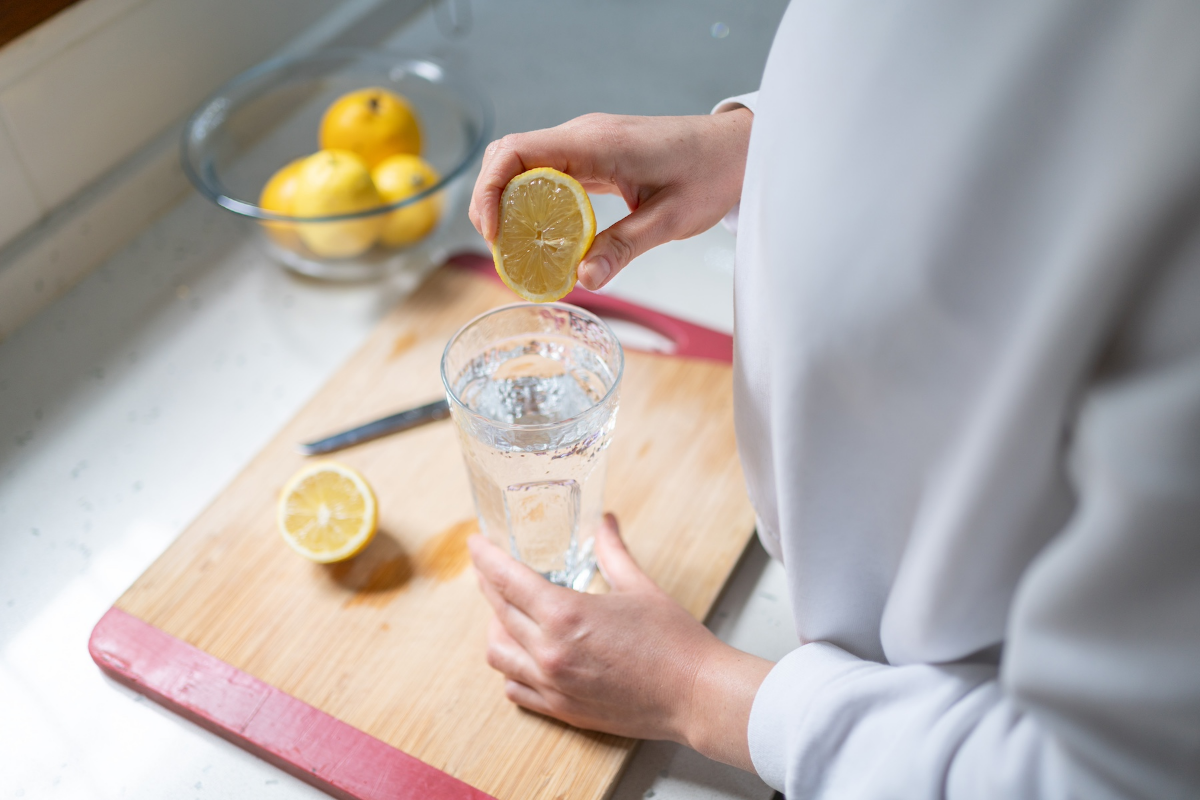
In my years of consulting for high-performance athletes, I’ve found that the most "hydrated" people aren't the ones carrying around gallon jugs of water. They are the ones eating large salads, drinking bone broth, and adding a pinch of Celtic sea salt to their morning lemon water. My personal rule is: "Eat your water, drink your minerals." If you can’t get through your morning without a second cup of coffee, try eating a sliced cucumber with sea salt and lime first. The boost in cognitive energy from that simple electrolyte-water combo usually outperforms the caffeine hit every time.
Summary
Shifting your focus from "volume of water" to "quality of cellular moisture" is a fundamental upgrade for your long-term health. By prioritizing silica-rich vegetables, potassium-dense fruits, and mineral-balanced snacks, you provide your body with the structural tools it needs to maintain energy, skin elasticity, and metabolic speed. Start by adding one high-water vegetable to every meal and monitor your energy levels over the next seven days. True vitality is found in the fluid balance of your cells, not just the capacity of your water bottle.