Muscle Growth Mechanics
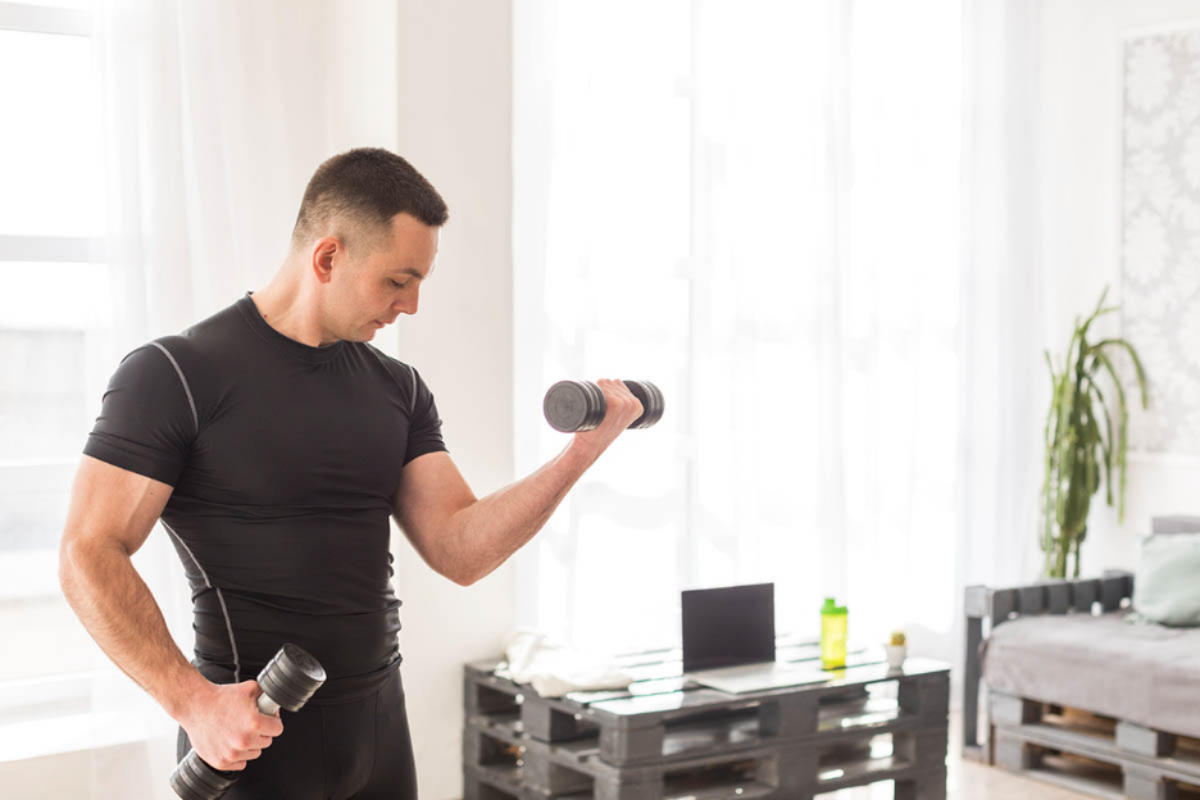
Low-impact training is frequently misunderstood as "easy" or "cardio-focused." In reality, muscle hypertrophy is driven by three factors: mechanical tension, metabolic stress, and muscle damage. You don't need a 500-pound deadlift to trigger these. According to a study published in the Journal of Applied Physiology, lifting lighter loads (30-50% of 1RM) to failure can produce similar muscle thickness increases as heavy loads (70-80% of 1RM).
In my practice, I’ve seen marathon runners transition to slow-tempo resistance training and add 5kg of lean mass in six months without aggravating chronic "runner’s knee." The secret lies in the Time Under Tension (TUT). By removing the explosive, high-impact movements, we shift the load from the tendons and ligaments directly onto the muscle fibers, specifically targeting Type II fibers through fatigue rather than sheer force.
Real-world data suggests that joint-related injuries account for nearly 25% of all gym-related dropouts. Shifting to a low-impact model isn't a retreat; it's a strategic pivot toward longevity. For instance, using BFR (Blood Flow Restriction) training allows for significant muscle growth using only 20% of a person's maximum strength, reducing joint shear force by nearly 70%.
Minimal-Impact Pitfalls
The biggest mistake is confusing "low impact" with "low intensity." People often pick up light dumbbells, perform 15 reps, and stop when it feels slightly uncomfortable. To build muscle without heavy weights, you must reach volitional failure—the point where you cannot physically complete another rep with perfect form. Without this, the stimulus is insufficient for adaptation.
Another issue is the lack of progressive overload. Just because you aren't adding plates to a barbell doesn't mean you should stay at the same resistance forever. Many trainees plateau because they ignore variables like rest intervals, tempo, and range of motion. If your heart rate isn't elevated and your muscles aren't "burning" by the end of a set, you are likely doing recovery work, not muscle-building work.
The consequences of these errors are twofold: wasted time and metabolic stagnation. When the stimulus is too low, the body has no reason to maintain expensive muscle tissue. This is especially critical for those using apps like Peloton or Apple Fitness+; if you aren't manually increasing the resistance or slowing down the eccentric phase, your body will adapt and stop growing.
Advanced Strategies
The Power of Eccentric Loading and Tempo Manipulation
Muscle fibers experience the most microscopic tears—which lead to growth—during the lengthening (eccentric) phase. Instead of dropping a weight, take 4–5 seconds to lower it. This increases the metabolic demand without needing a heavier load. For example, a 4-0-2-0 tempo (4 seconds down, 0 rest, 2 seconds up, 0 rest) on a leg press can make 100 pounds feel like 300, stimulating the quadriceps while keeping the knees stable.
Utilizing Blood Flow Restriction (BFR) Technology
BFR involves using specialized cuffs, such as Saga Fitness or BFR Shops bands, to partially restrict venous outflow while maintaining arterial inflow. This creates a hypoxic environment in the muscle. Studies show this leads to a massive surge in Growth Hormone (GH) and activates myogenic stem cells. It’s a "hack" that allows a 60-year-old with arthritis to gain muscle size using 5lb weights.
Isolating with Resistance Bands and Variable Resistance
Unlike free weights, resistance bands (like TheraBand or EliteFTS) provide a "linear variable resistance." The tension increases as the band stretches, which matches the natural strength curve of your muscles. This protects your joints at their most vulnerable (the "bottom" of a movement) and maximizes tension at the peak contraction. It’s an essential tool for building a powerful chest or back without the shoulder impingement risks of heavy bench pressing.
Implementing Time-Under-Tension (TUT) Intervals
Instead of counting reps, move to timed sets. Aim for 60 to 90 seconds of continuous movement. This maximizes metabolic stress and the accumulation of lactate, which are potent drivers of hypertrophy. Use a tool like SmartWOD or a simple gym timer to ensure you aren't cutting sets short. This method is particularly effective for "stubborn" muscles like deltoids and calves.
The Role of Isometrics in Functional Size
Isometric holds—pushing or pulling against an immovable object—recruit a high percentage of motor units. Holding a split squat at the mid-point for 30 seconds before performing 10 reps creates "pre-exhaustion." This forces the muscle to work harder during the dynamic portion of the lift. Modern devices like the Activ5 help track the exact force output during these holds, ensuring you are actually pushing at 100% intensity.
Real-World Case Examples
Case 1: The Executive Recovery
A 52-year-old CEO with two herniated discs (L4-L5) could no longer perform squats or deadlifts. We switched his routine to 100% low-impact: weighted sled pulls, Bulgarian split squats with a slow tempo, and TRX rows.
Result: Over 12 weeks, he increased his lean body mass by 3.2kg and reduced his body fat by 4%, all while reporting a 70% reduction in lower back pain.
Case 2: Post-Surgical Rehabilitation
A former collegiate athlete post-ACL reconstruction needed to regain quad size without high-impact jumping or heavy loading. We implemented BFR training 3 times a week combined with Pilates-based resistance work.
Result: The surgical leg regained 2 inches of circumference in 8 weeks, matching the non-surgical leg, with zero inflammation markers in the knee joint.
Methodology Comparison
| Method | Primary Driver | Joint Stress Level | Best Tool/Service |
|---|---|---|---|
| Slow-Tempo Lifting | Mechanical Tension | Very Low | Tempo Timers / Metronomes |
| BFR Training | Metabolic Stress | Minimal | Saga BFR Cuffs |
| Suspension Training | Core Stability/Tension | Low | TRX / Jungle Gym |
| Pilates Reformer | End-Range Strength | Minimal | Club Pilates / Stott Pilates |
| Sled Work | Concentric Power | Zero Eccentric Load | Rogue Dog Sled |
Mistakes and Solutions
Mistake: Neglecting the Mind-Muscle Connection
In heavy lifting, the goal is often just to move the weight. In low-impact training, you must "squeeze" the muscle actively. If you’re doing a bicep curl, visualize the muscle shortening. Solution: Perform a 2-second peak contraction at the top of every movement to ensure maximum fiber recruitment.
Mistake: Inconsistent Frequency
Since low-impact training causes less systemic nervous system fatigue, you can (and should) train more frequently. Solution: Instead of a 3-day heavy split, move to a 5-day low-impact split. This provides more frequent signals for protein synthesis without overtaxing your recovery capacity.
Mistake: Ignoring Nutrition
People assume low-impact means they aren't burning as much, so they undereat. Muscle growth requires a caloric surplus and high protein (at least 1.6g per kg of body weight). Solution: Use MyFitnessPal or Cronometer to track leucine intake, ensuring you’re hitting the threshold to trigger the mTOR pathway for growth.
FAQ
Can I actually get "bulky" with low-impact workouts?
Yes. Hypertrophy is a biological response to stress. As long as you reach failure and maintain a caloric surplus with sufficient protein, your muscles will grow regardless of the "impact" level.
Is swimming considered a good low-impact muscle builder?
Swimming is excellent for cardiovascular health and endurance, but it often lacks the localized mechanical tension required for significant muscle hypertrophy. It should be supplemented with resistance bands or water weights.
How often should I use BFR bands?
For muscle growth, 2–3 times per week per muscle group is effective. Ensure you are using professional-grade cuffs with pressure sensors to avoid nerve compression.
Are bodyweight exercises enough?
Only if you manipulate the leverage. A standard push-up may become too easy; you must progress to archer push-ups or decline slow-tempo variations to keep the intensity high enough for growth.
Is low-impact training better for weight loss?
It’s better for "body recomposition." It allows you to build muscle (which raises BMR) while staying consistent because you aren't sidelined by joint pain or extreme soreness.
Author’s Insight
Having spent a decade in the fitness industry, I’ve seen countless lifters "retire" from the gym because their shoulders or knees gave out. My shift to low-impact, high-intensity training wasn't a choice—it was a necessity after a labrum tear. What I discovered was that by focusing on the quality of the contraction rather than the number on the plate, I actually developed better muscle density and symmetry than I ever had with heavy powerlifting. My advice: stop ego-lifting and start feeling the muscle. Your 50-year-old self will thank you for the mass you built without the scars.
Summary
Building serious muscle through low-impact methods is not only possible but often more sustainable for long-term health. By mastering tempo, utilizing BFR technology, and prioritizing metabolic stress through timed intervals, you can achieve an elite physique without the orthopedic cost. Start by replacing one heavy session a week with a high-TUT, low-impact routine, and focus on reaching true volitional failure. Consistency and intensity are your primary levers—pull them wisely.