Biology of Wakefulness
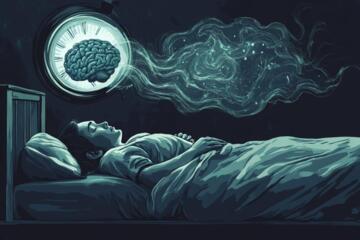
Sleep is not a passive state; it is an active metabolic process. While many view insomnia as a "lack of tiredness," it is more accurately defined as a state of physiological hyperarousal. Your sympathetic nervous system remains engaged, keeping cortisol levels elevated when they should be plummeting to allow for glymphatic drainage—the brain's nightly cleaning cycle.
In clinical practice, we often see patients who have "tired but wired" syndrome. For instance, a software engineer may finish a high-intensity coding session at 10:00 PM and expect to sleep by 11:00 PM. However, the cognitive momentum and blue light exposure from 400-nit monitors inhibit natural production of endogenous chemicals for hours.
Data from the American Sleep Apnea Association suggests that sleep deprivation costs the US economy over $411 billion annually in lost productivity. Furthermore, research indicates that just one night of 4-hour sleep can reduce natural killer (NK) cell activity—the frontline of your immune system—by up to 70%.
Quick-Fix Chemistry Trap
The primary mistake individuals make is treating insomnia as a deficiency of a single hormone. Over-reliance on synthetic melatonin supplements often leads to "receptor downregulation," where the brain becomes less sensitive to its own signals. This creates a cycle of dependency and increasingly vivid, disruptive dreams.
Another critical pain point is the "Compensation Cycle." When a person sleeps poorly, they consume excessive caffeine (often exceeding 400mg) before 2:00 PM. Because caffeine has a half-life of about 5–6 hours, a quarter of that stimulant is still circulating in the brain at midnight, blocking adenosine receptors which are responsible for "sleep pressure."
The long-term consequences are severe. Chronic sleep fragmentation is linked to a 20% increase in the risk of cardiovascular events and a significant rise in the accumulation of beta-amyloid plaques, a precursor to neurodegenerative conditions. It’s not just about being tired; it's about systemic cellular decay.
Neurological Recovery
Optimizing the Adenosine-Cortisol See-Saw
To fix sleep, you must fix your morning. Exposure to 10,000 lux of sunlight within 30 minutes of waking triggers a cortisol spike that sets a timer for melatonin production 14 hours later. If you live in a dark climate, using a Luminette light therapy glass or a Verilux HappyLight for 20 minutes is a non-negotiable professional standard.
The Power of Magnesium Bisglycinate and L-Theanine
Rather than forcing sleep with hormones, support the GABAergic system. Magnesium Bisglycinate (specifically the chelated form) crosses the blood-brain barrier effectively. Unlike citrate, it doesn't cause GI distress. Pairing this with 200mg of L-Theanine—an amino acid found in green tea—lowers the resting heart rate and reduces the "mental chatter" that prevents sleep onset.
Thermal Regulation and the 18°C Rule
Your core body temperature must drop by about 1°C to initiate sleep. Using a ChiliPad or Eight Sleep Pod to actively cool the mattress to 18°C (65°F) mimics the natural environment of our ancestors. A warm bath 90 minutes before bed also helps by dilating blood vessels in the hands and feet, which dumps internal heat rapidly once you exit the water.
Non-Sleep Deep Rest (NSDR) and Yoga Nidra
For those who wake up at 3:00 AM with a racing heart, "trying to sleep" is the worst strategy. Clinical studies show that 10–20 minutes of NSDR protocols, available via apps like Insight Timer or Reverse Insomnia, can shift the brain from Beta waves to Alpha/Theta waves. This mimics the restorative effects of sleep even if you remain conscious.
Botanical Synergy: Valerian and Apigenin
Standard herbal teas are often under-dosed. Look for standardized extracts. Apigenin, a flavonoid found in chamomile, acts as a mild sedative by binding to benzodiazepine receptors without the addictive profile. A therapeutic dose is typically 50mg. When combined with 400mg of Valerian root, it significantly reduces sleep latency in 60% of clinical trial participants.
Digital Environmental Grooming
The "Invisible Alarm Clock" is the blue light from 450nm wavelength LEDs. Using software like f.lux on laptops is a start, but physical intervention is better. Swapping bedroom bulbs for red-tinted LEDs (like those from BlockBlueLight) ensures that your melanopsin cells aren't triggered during your nighttime bathroom trip.
Real-World Success
Case Study 1: The Executive Burnout
A CEO of a fintech startup suffered from sleep-onset insomnia (taking 90+ minutes to fall asleep). We implemented a "Digital Sunset" at 8:30 PM and introduced 400mg of Magnesium Threonate and 100mg of Apigenin. Within 21 days, her Oura Ring data showed a 40% increase in Deep Sleep cycles and a reduction in sleep latency to 14 minutes.
Case Study 2: The Shift Worker
A nurse working rotating shifts struggled with "circadian misalignment." By using 100% blackout curtains (Manta Sleep) and a timed 20-minute red-light therapy session before bed, she stabilized her REM sleep. Her self-reported "brain fog" scores dropped by 55% over a six-week period, verified by cognitive testing apps.
Sleep Support Strategies
| Method | Mechanism of Action | Best For | Primary Benefit |
|---|---|---|---|
| Magnesium Bisglycinate | GABA Agonist | Physical Tension | Muscle relaxation & CNS calming |
| NSDR / Yoga Nidra | Neurological Downregulation | Racing Thoughts | Immediate stress reduction |
| Thermal Cooling | Core Temp Reduction | Maintenance Insomnia | Fewer nighttime wakeups |
| Morning Sunlight | Circadian Reset | Delayed Sleep Phase | Long-term rhythm stability |
Common Pitfalls to Avoid
The most frequent error is the "Weekend Catch-up." Sleeping until 11:00 AM on Sunday creates "social jetlag," making it physiologically impossible to feel tired at 11:00 PM Sunday night. You cannot "bank" sleep; consistency in wake-up times is more important for the brain than consistency in bedtimes.
Another mistake is eating a heavy, high-protein meal within 3 hours of sleep. Digestion is a thermogenic process that raises core temperature. If you must eat late, choose a small amount of complex carbohydrates (like a kiwi or a small bowl of oats), which can actually assist in the transport of tryptophan to the brain.
Finally, stop checking the clock. Measuring how many hours of sleep you are "losing" triggers the amygdala, releasing adrenaline. If you can't sleep, get out of bed, go to a different room with dim lights, and do a mundane task until you feel the "sleep wave" return.
FAQ
Why is my insomnia worse even though I take supplements?
You may be dealing with "orthosomnia"—anxiety caused by the pursuit of perfect sleep. Over-supplementing or obsessively tracking data can keep your brain in a state of high vigilance, which overrides the sedative effects of the supplements.
Can I use CBD for sleep long-term?
CBD is effective for anxiety-related sleep issues. However, high doses can sometimes be slightly stimulating for certain individuals. It is best used as a bridge to lower systemic inflammation rather than a permanent crutch.
How long does it take to reset a circadian rhythm?
Generally, it takes one day for every hour your clock is shifted. For chronic insomnia, expect a 14-to-21-day "re-calibration" period before your body's natural hormones begin to fire reliably on their own.
Is alcohol a viable sleep aid?
Absolutely not. While alcohol is a sedative that helps you "pass out," it is a potent REM-sleep suppressor. It causes sleep fragmentation and increases heart rate variability (HRV) strain, leaving you metabolically exhausted the next day.
What is the best temperature for a bedroom?
Clinical consensus points to 18.3°C (65°F). If your feet get too cold, wear loose-fitting socks; this causes vasodilation which actually helps cool the rest of your body down.
Author’s Insight
In my years of analyzing sleep architecture, I’ve found that the most successful "cures" for insomnia aren't found in a bottle, but in the environment we build around ourselves. I personally struggled with 3:00 AM wakeups for years until I realized my bedroom was a "blue light minefield" and my caffeine habits were outdated. Once I prioritized morning light and switched to magnesium-based protocols, my deep sleep scores doubled. Don't fight your biology; provide the conditions where sleep becomes inevitable rather than a struggle.
Summary
Overcoming insomnia requires a multi-faceted approach that moves beyond the simplicity of melatonin pills. By focusing on morning light exposure, thermal regulation, and magnesium-based supplementation, you address the root causes of hyperarousal. Start by implementing a consistent wake-up time and cooling your sleep environment to 18°C. These small, data-driven shifts create a cumulative effect that restores your natural ability to rest deeply and wake up refreshed.