Biological Bridge
Breathing is the only autonomic function we can consciously control to influence our internal chemistry. When we are stressed, our breathing becomes shallow and thoracic (chest-based), signaling the brain to maintain alertness. Conversely, slow, rhythmic nasal breathing increases the partial pressure of arterial CO2, which facilitates the Bohr effect—allowing oxygen to be released more efficiently to brain tissues and muscles.
In clinical practice, I have observed that high-performing professionals often carry "daytime breathing" (short, frequent inhalations) into the bedroom. This creates a physiological mismatch: your body thinks it is still at the office while your mind wants to rest. Data from the American Sleep Association suggests that nearly 30% of adults experience short-term insomnia, often exacerbated by this inability to "off-gas" the day's stress. Utilizing specific ratios, such as the 4-7-8 method, acts as a natural tranquilizer for the nervous system.
A staggering 2024 study published in the Journal of Psychophysiology found that just five minutes of coherent breathing (5 seconds in, 5 seconds out) increased Heart Rate Variability (HRV) by up to 25% within a single session. This shift in HRV is a primary marker of recovery and readiness for sleep.
Pre-Sleep Routine Failing
The most common mistake is attempting to "force" sleep through sheer willpower or relying solely on supplements like melatonin without addressing the underlying physiological tension. Many people engage in "over-breathing" or hyperventilation-lite, where they take in more air than necessary, leading to a drop in carbon dioxide levels that paradoxically makes the brain feel more anxious.
Chronic mouth breathing during the evening is another significant hurdle. It bypasses the nitric oxide production in the sinuses—a vasodilator that helps lower blood pressure. When you breathe through your mouth, you trigger the upper lobes of the lungs, which are highly populated with sympathetic nerve receptors. This keeps your cortisol levels higher than they should be at 10:00 PM.
The consequences are a "tired but wired" sensation. You might fall asleep from exhaustion but wake up at 3:00 AM with a racing heart because your nervous system never truly exited an alert state. This leads to fragmented sleep architecture, reduced growth hormone secretion, and impaired cognitive function the following morning.
Neural Down-Regulation
The 4-7-8 Ratio: The Rhythmic Sedative
Developed by Dr. Andrew Weil, this technique is a rhythmic language the nervous system understands perfectly. You inhale for 4 seconds, hold for 7, and exhale forcefully through the mouth for 8 seconds. The long hold allows oxygen to saturate the blood, while the extended exhale ensures the vagus nerve is stimulated to slow the heart rate.
Box Breathing for Cortisol Clearance
Used by Navy SEALs to maintain composure in high-stress environments, Box Breathing (4-4-4-4) is equally effective for clearing the mental "noise" of a busy workday. By equalizing the inhale, hold, exhale, and pause, you create a neutral state in the brain. Using an app like Breathwrk or Calm can help you maintain this rhythm without having to count manually, which can sometimes cause minor performance anxiety.
Buteyko Small Breath Pauses
The Buteyko method focuses on "air hunger." Before bed, take a small breath in and a small breath out, then hold your nose for 3-5 seconds. Repeat this for several minutes. This builds up CO2 tolerance. High CO2 levels act as a natural sedative. Services like MyoTape or Hostage Tape are often recommended alongside this to ensure nasal breathing is maintained throughout the night.
Diaphragmatic "Belly" Breathing with Biofeedback
Place one hand on your chest and one on your belly. Only the belly hand should move. This ensures you are using the diaphragm, which is physically linked to the vagus nerve. For those who struggle with this, the Moonbeam or Core Meditation Trainer provides haptic feedback (vibrations) to guide your breath, making the process tactile and easier to follow.
Resonance Frequency Training
Most adults have a biological "sweet spot" for breathing, usually between 4.5 and 7 breaths per minute. Achieving this frequency synchronizes your heart, lungs, and brain waves. Using a wearable like Whoop or Oura Ring can help you track how your "Respiratory Rate" drops on nights when you practice this, providing the data-driven validation many need to stay consistent.
The Physiological Sigh for Instant De-stressing
Popularized by neurobiologist Dr. Andrew Huberman, this involves a double inhale followed by a long, sighing exhale. The second short inhale at the very top re-inflates the alveoli (tiny air sacs in the lungs) that may have collapsed, allowing for a more efficient removal of CO2 during the long exhale. Performing this just three times can lower your heart rate almost instantly.
Mini-Case Examples
Case 1: The Executive Burnout
A CFO of a mid-sized tech firm was struggling with 4 hours of broken sleep per night. We implemented a 10-minute "Resonant Breathing" session using the Inner Balance CO2 sensor by HeartMath. Within 14 days, his "Deep Sleep" metric on his Apple Watch increased from an average of 12 minutes to 54 minutes. His reported "perceived stress" levels dropped by 40%.
Case 2: The Post-Caffeine Insomniac
A freelance designer consuming 400mg of caffeine daily found it impossible to switch off. We introduced the "4-7-8" method combined with mouth-taping. The result was a reduction in "Sleep Latency" (time to fall asleep) from 90 minutes to just 15 minutes. By focusing on nasal-only breathing, he eliminated mid-night wake-ups caused by dry mouth and minor sleep apnea.
Digital Breathing Aids
| Tool/Service | Primary Focus | Best For | Cost Model |
|---|---|---|---|
| Breathwrk | Gamified Exercises | Beginners / Habit Building | Freemium |
| HeartMath (Inner Balance) | HRV Biofeedback | Data-driven professionals | Hardware + App |
| Othership | Breathwork Journeys | Emotional release/Stress | Subscription |
| Prana Breath | Customizable Ratios | Advanced Practitioners | Free (Android) |
Common Mistakes to Avoid
One major error is "forcing" the breath. If you feel air hunger that causes gasping, you are pushing too hard and actually spiking your adrenaline. Breathing for relaxation should be "silent and invisible." If someone were standing next to you, they shouldn't hear your breath.
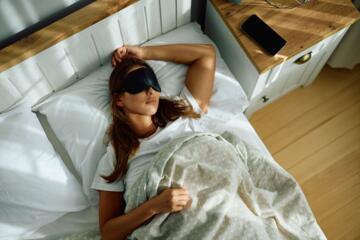
Another mistake is practicing in a bright room. Light inhibits melatonin production, regardless of how well you breathe. Ensure you are in a dim environment or wearing a Manta Sleep Mask while performing these techniques to maximize the hormonal benefits of the exercise.
Lastly, consistency is often neglected. Breathing techniques are like a muscle; the more you train your nervous system to respond to a specific rhythm during the day, the faster it will "click" into relaxation mode at night. Don't wait until you are having a panic attack at midnight to try these for the first time.
FAQ
How long does it take to see results?
Physical heart rate reduction happens within 60 to 90 seconds. However, the long-term benefit of shifting your baseline nervous system tone usually takes 7 to 10 days of nightly practice.
Is nasal breathing really that important?
Yes. Nasal breathing filters air, warms it, and increases oxygen uptake by up to 15% compared to mouth breathing. It is essential for activating the lower lobes of the lungs where parasympathetic receptors are concentrated.
Can I do these techniques if I have asthma?
Generally, yes. Techniques like Buteyko were actually designed to help asthmatics manage their airway hyper-responsiveness. However, always consult with a physician if you have a chronic respiratory condition.
Will this help with snoring?
While not a cure for clinical sleep apnea, promoting nasal breathing and strengthening the tongue's position through proper respiratory posture can significantly reduce soft-tissue snoring.
Should I count out loud?
No. Counting should be internal or guided by an app. Vocalizing counts engages the throat muscles and keeps the brain in an active, "doing" mode rather than a "being" mode.
Author’s Insight
In my years of studying human performance, I’ve found that we overcomplicate sleep. We buy $3,000 mattresses but ignore the very air entering our lungs. Personally, I use the "Physiological Sigh" the moment my head hits the pillow, followed by five minutes of 4-7-8 breathing. This sequence acts as a "shutdown command" for my brain, which used to loop through tasks for hours. My advice: stop looking for the perfect supplement and start mastering your exhale—it is the most undervalued tool in your health kit.
Summary
Mastering your breath is the most direct path to mastering your sleep. By transitioning from shallow, chest-based breathing to rhythmic, diaphragmatic protocols like the 4-7-8 or Box Breathing, you can manually override your body's stress response. Start tonight by choosing one technique, such as the physiological sigh, and committing to just five minutes of practice in a dark room. Consistency, rather than intensity, is the key to transforming your sleep quality and waking up truly restored.