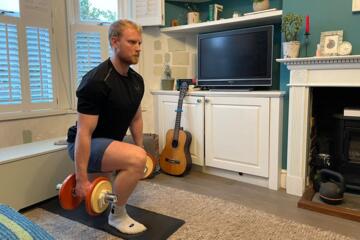
Cardio vs Strength
Cardio training primarily stresses the cardiovascular and respiratory systems through sustained, rhythmic movement such as brisk walking, cycling, rowing, or jogging. Strength training primarily stresses muscles and connective tissues through progressive resistance such as free weights, machines, resistance bands, or bodyweight exercises.
Two evidence-based facts help anchor the differences. First, aerobic activity raises cardiorespiratory fitness, which is strongly linked with lower all-cause mortality in large observational datasets and is also improved by structured training programs. Second, resistance training increases muscle strength and muscle mass; gains in strength can occur even when muscle size changes are modest, because neural adaptations improve how the nervous system recruits muscle fibers.
Cardio adaptations include improved stroke volume and oxygen delivery, better efficiency of energy use, and changes in how muscles rely on aerobic metabolism. Strength adaptations include increased muscle fiber recruitment, improved coordination between muscle groups, and structural changes in muscle and tendon that support force production.
In practice, the difference shows up in what you feel and what you measure. Cardio sessions often leave you short of breath and warm, and you may track pace, heart rate, or time in a target intensity zone. Strength sessions often leave you with localized muscle fatigue, and you may track reps, load, or total volume across sets.
Common Mix-Ups
A frequent mistake is treating “sweating” as the same thing as cardio. High heart rate can occur during strength training, but the primary training stimulus differs because resistance work emphasizes force against load and repeated muscle contractions.
Another mix-up is assuming cardio automatically protects joints and muscles. Aerobic exercise can reduce risk factors such as high blood pressure and insulin resistance, yet repetitive impact or poor technique can still aggravate tendons, knees, or the Achilles tendon, especially when intensity or volume rises quickly.
People also underuse strength training when their goal is weight control. Fat loss depends on energy balance, but resistance training can change body composition by preserving or increasing lean mass during a calorie deficit, which affects how the body uses energy and how weight changes look on the scale.
Biologically, cardio and strength stress different pathways. Aerobic work increases mitochondrial density and enzymes involved in oxidative metabolism, shifting muscles toward better endurance performance. Resistance work increases muscle protein synthesis signals and improves neuromuscular control, which supports strength and power.
When the balance is off, consequences show up as plateaus or overuse. Too much cardio with little strength can lead to strength stagnation and reduced muscle mass over time, while too much heavy resistance without enough aerobic work can leave cardiorespiratory fitness lagging and recovery slower for daily activities.
Real-world scenarios make the pattern clear. A person who only runs may notice persistent knee pain after increasing mileage. A person who only does heavy leg presses may feel strong in the gym but struggle with stairs or long walks due to limited aerobic capacity.
How to Choose
Match goals to stimulus
Start by linking your goal to the type of adaptation you want. For endurance goals such as longer walks, cycling trips, or improved ability to sustain activity, prioritize aerobic sessions. For goals tied to lifting, carrying, posture support, or maintaining strength with age, prioritize resistance training.
Why it works: cardio training improves oxygen use and cardiovascular efficiency, while resistance training improves force production and muscle function. What it looks like in practice: a “cardio-first” week might include 2–4 aerobic sessions plus light mobility, while a “strength-first” week might include 2–4 resistance sessions plus short aerobic finishers.
Relevant tools: a simple activity log (minutes, perceived exertion, and any pain) helps you see whether you are actually progressing. A practical outcome target is consistency: many people benefit from building toward roughly 150 minutes per week of moderate-intensity aerobic activity and 2 days per week of full-body resistance work, then adjusting based on recovery and preferences.
Use intensity you can track
Cardio intensity matters because different intensities drive different adaptations. Moderate intensity often corresponds to being able to speak in short sentences, while vigorous intensity corresponds to speaking only a few words at a time.
Why it works: higher intensity can improve fitness faster for some people, but it also increases recovery demands. What it looks like in practice: you might do 30–45 minutes of moderate cycling twice weekly and add one interval session (for example, repeated hard efforts with easier recovery) if you tolerate it well.
Relevant tools: heart rate monitors can help, but perceived exertion plus a talk test often works just as well for everyday decisions. A realistic number: if you are new to structured training, start with mostly moderate sessions and limit vigorous work to one day per week until recovery improves.
Progress resistance gradually
Strength training works through progressive overload, meaning the muscles face a slightly greater challenge over time. Progress can come from adding reps, adding sets, or increasing load while keeping technique stable.
Why it works: repeated exposure to higher mechanical tension drives strength and muscle adaptation. What it looks like in practice: choose 6–10 exercises covering major movement patterns (squat/hinge, push, pull, carry/core), then aim for 2–4 sets per exercise with a rep range that leaves some effort in reserve.
Relevant tools: a training journal with load and reps prevents “random workouts.” A realistic outcome range: many beginners notice strength gains within 4–8 weeks, even before major muscle size changes, because neural adaptations improve performance.
Plan recovery like training
Recovery is not optional when you combine cardio and strength. Muscles need time to repair after resistance work, and the nervous system and connective tissues also need time after hard intervals or heavy lifting.
Why it works: inadequate recovery increases soreness, reduces performance, and raises the chance of overuse injuries. What it looks like in practice: schedule strength days with at least one rest or lighter day between them, and avoid stacking the hardest cardio intervals immediately after a heavy leg day.
Relevant tools: track sleep, resting heart rate trends if you use a wearable, and soreness using a simple 0–10 scale. A practical number: if soreness stays high for more than 48–72 hours or performance drops for multiple sessions, reduce volume or intensity for a week.
Combine without canceling
Cardio and strength can coexist, but the order and volume can affect results. Very high endurance volume combined with heavy resistance can reduce strength gains for some people, especially when resistance sessions are frequent and loads are near maximal.
Why it works: endurance training can shift recovery resources and muscle signaling patterns, and the body may prioritize endurance adaptations when stress is high. What it looks like in practice: keep cardio moderate on most days, place interval work on non-lifting days, and keep resistance training the main focus when strength is the priority.
Relevant tools: weekly planning that limits total hard sessions. A realistic approach: aim for 1–2 interval or high-intensity cardio sessions per week at most for most beginners, while maintaining 2 resistance days.
Protect joints and tendons
Joint and tendon tolerance depends on load, technique, and progression rate. Cardio choices matter: cycling and swimming reduce impact compared with running, which can help if you have a history of knee or ankle irritation.
Why it works: tendons adapt to mechanical load, but they need time when load increases. What it looks like in practice: if you add cardio minutes, increase gradually (for example, by a small percentage per week) and avoid sudden jumps in running mileage or incline.
Relevant tools: warm-up routines and form checks. A practical number: if pain changes your gait or persists into daily activities, reduce the provoking activity and consider professional assessment for persistent symptoms.
Use nutrition to support training
Training adaptations depend on energy and protein intake. Resistance training in particular benefits from adequate protein distribution across the day, while cardio performance depends on carbohydrate availability for higher-intensity sessions.
Why it works: protein supports muscle repair and remodeling, and carbohydrate supports glycogen replenishment for repeated efforts. What it looks like in practice: include protein at meals and plan carbs around harder cardio sessions if you train at moderate to high intensity.
Relevant tools: meal planning and timing. A realistic outcome target: many people aim for consistent daily protein intake and adjust total calories based on whether the goal is weight maintenance, loss, or gain; exact targets vary by body size and activity level.
Educational Case Examples
Case 1: desk job with low stamina
A 38-year-old who sits most of the day can walk 20 minutes but feels winded on stairs. They start with two strength sessions per week focused on legs, hips, push, pull, and core, plus two moderate cardio sessions of 25–30 minutes. After 6–8 weeks, they report improved ability to climb stairs and less leg fatigue during daily errands, while strength numbers in basic lifts rise steadily.
What likely drove the change: aerobic training improved cardiorespiratory efficiency, and resistance training improved muscular capacity for repeated stair-like efforts. The plan worked because intensity stayed moderate most days and strength sessions were progressed gradually.
Case 2: runner adding strength
A 29-year-old runs 3–4 times weekly and develops recurring shin or knee discomfort when mileage increases. They keep running frequency but reduce one run to a lower-impact option such as cycling and add two full-body resistance sessions emphasizing hip hinge, calf/ankle strength, and controlled squats. Over several weeks, they maintain running volume more consistently and report fewer flare-ups.
What likely drove the change: strength training improved tolerance of the tissues involved in running mechanics, and reducing impact on one day lowered cumulative stress. The improvement depended on gradual progression and avoiding aggressive mileage jumps.
Cardio vs Strength Checklist
| Decision point | If your priority is cardio | If your priority is strength | If you want both |
|---|---|---|---|
| Weekly structure | 2–4 aerobic sessions | 2–4 resistance sessions | 2 aerobic + 2 resistance sessions to start |
| Intensity mix | Mostly moderate; 0–1 hard day | Keep cardio moderate | Moderate cardio most days; place intervals away from heavy lifting |
| Progression rule | Add time or intensity gradually | Add reps/sets or load while technique stays consistent | Progress one variable at a time; reduce if recovery slips |
| What to watch | Breathing tolerance and fatigue trend | Strength performance and joint comfort | Soreness duration, sleep, and ability to complete sessions |
| When to adjust | Persistent pain or declining performance | Technique breakdown or repeated joint irritation | If you miss sessions or soreness lasts >72 hours, reduce volume |
Common Mistakes
Doing only one type of training can limit progress. Cardio-only plans often miss strength-related benefits such as improved force production for daily tasks, while strength-only plans can leave aerobic capacity low, making long-duration activities harder.
Another mistake is changing both cardio volume and resistance load at the same time. When fatigue rises, it becomes hard to identify the cause, and the body may not adapt to either stimulus.
People also skip warm-ups and then compensate with higher intensity. For cardio, a sudden jump to hard intervals can trigger excessive strain; for strength, lifting without ramping up can increase the chance of form breakdown.
Some readers chase intensity every session. For cardio, always training at vigorous effort can reduce consistency; for strength, always training near maximal effort can increase soreness and slow recovery.
Technique errors are another recurring issue. Poor squat mechanics, excessive knee collapse, or unstable core bracing can increase joint stress, while sloppy running form can increase impact forces. Correcting technique usually matters more than adding load.
Finally, ignoring pain signals can backfire. Muscle soreness after training is expected, but sharp pain, numbness, or pain that changes movement patterns deserves attention and may require professional evaluation.
FAQ
Do I need cardio if I lift weights?
Many people benefit from some aerobic training because it improves cardiorespiratory fitness and supports endurance for daily activities. Resistance training alone can improve strength and muscle function, but aerobic capacity typically improves most with regular aerobic work.
Can cardio replace strength training for fat loss?
Fat loss depends on energy balance. Cardio can help increase energy expenditure, while resistance training can help preserve or build lean mass during weight loss, which can affect how your body composition changes.
How many days per week should I do each?
A practical starting point for many adults is 2 days of resistance training plus 2–3 days of aerobic activity, then adjusting based on recovery, schedule, and goals. If you are new to exercise, fewer sessions with gradual progression often works better than a high-frequency plan.
Will strength training make me bulky?
Muscle size increases depend on genetics, training volume, and nutrition. Resistance training can increase strength and muscle mass, but “bulking” is not an automatic outcome for everyone; many people gain strength with modest size changes, especially early on.
Is it better to do cardio before or after weights?
There is no single rule that fits everyone. If strength is the priority, doing resistance first can help you maintain performance. If cardio is the priority, doing aerobic work first may help you reach your target intensity, but very hard cardio before heavy lifting can reduce strength output.
Author's Insight
Cardio and strength training stress different limiting factors: aerobic work challenges oxygen delivery and muscle oxidative capacity, while resistance work challenges force production and neuromuscular control. The most reliable way to choose between them is to match training type to the performance outcome you care about and then track whether your sessions improve over weeks.
When people stall, the cause is often not “the wrong exercise,” but mismatched intensity, insufficient recovery, or progression that changes too many variables at once. A balanced plan usually starts with moderate aerobic work plus 2 resistance sessions, then adjusts based on recovery and comfort.
Because individual conditions and injury histories vary, persistent pain or medical concerns should be discussed with a qualified clinician before making major changes to training intensity or volume.
Key Takeaways
Cardio training mainly improves aerobic capacity and endurance, while strength training mainly improves muscle strength, power, and force production. Many people do best with both: a practical starting pattern is 2 days of resistance training and 2–3 days of aerobic activity, with gradual progression and attention to recovery.
Benefits come with limits. Too much intensity without recovery can increase overuse risk, and too little resistance can reduce strength and muscle mass over time. If you have chest pain, unexplained shortness of breath, or ongoing joint pain that affects daily movement, seek medical advice before pushing training harder.
Next steps: choose a cardio mode you can repeat, select resistance exercises that match your movement patterns, track sessions for 4–6 weeks, and adjust volume or intensity if soreness lasts beyond 72 hours or performance declines.