Getting Started Right
Many people assume working out begins with a gym membership. In reality, it begins with movement that you can repeat next week. Research from the World Health Organization recommends at least 150 minutes of moderate physical activity per week, yet millions of adults remain below that mark.
A beginner does not need advanced training splits, expensive supplements, or a smartwatch loaded with metrics. A person who walks for 20 minutes three times a week and performs a few bodyweight exercises already has a foundation.
The first goal is consistency. The body adapts surprisingly fast during the first 8 to 12 weeks, especially when exercise goes from zero to something.
That early phase matters.
I have watched new gym members spend hours comparing programs while skipping actual workouts. The people who make progress usually start before they feel fully prepared, and then adjust as they learn.
Why Beginners Struggle
Many newcomers treat exercise like a short project instead of a long habit. They attempt six workouts during week one, feel sore for four days, then disappear.
Skip the advanced routines. They were built for people with years of training behind them. A beginner copying a competitive bodybuilder's schedule often spends more time recovering than improving.
Another problem is chasing calorie burn. Someone finishes a 60-minute cardio session, sees a number on a screen, and assumes success. Meanwhile strength, mobility, and movement quality get ignored.
Results arrive slower than social media suggests. Muscle gain might average 0.5 to 1 kilogram per month for a true beginner under good conditions. Fat loss often moves at a similar pace.
The frustration usually starts there.
Many fitness apps, which frankly can become noisy quickly, reward streaks more than sustainable behavior. Missing one session feels like failure even though long-term progress depends on months, not perfect weeks.
Build Your First Plan
Train Three Days Weekly
Start with three workouts per week. Monday, Wednesday, and Friday works well because rest days sit between sessions.
This schedule gives muscles time to recover while creating enough repetition for improvement. Most beginners see better adherence with three sessions than with five.
A simple week could include 30 to 45 minutes per workout. Add a 20-minute walk on one or two non-training days and you already exceed what many inactive adults achieve.
Use Full-Body Sessions
Choose full-body workouts instead of body-part splits. A beginner benefits from practicing major movement patterns several times each week.
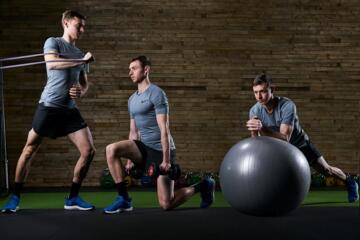
A sample session might include squats, push-ups, rows, a hip hinge movement, and planks. Perform 2 or 3 sets of each exercise.
More practice leads to faster skill development. Your nervous system learns movement patterns before major muscle growth occurs.
Master Form First
Reduce the weight. Poor technique creates bad habits that become harder to fix later.
If you join a gym, machines from brands like Life Fitness and Technogym often include movement diagrams that help beginners understand positioning. They are not perfect guides, but they help.
A good rule is simple: finish every repetition with control. If your form changes dramatically during the last few reps, the load is probably too heavy.
The mirror helps, sometimes.
Track Only Two Numbers
New exercisers often track everything. Steps, calories, heart rate zones, recovery scores, sleep ratings, hydration reminders, and the list keeps growing.
Track workouts completed each week and the weight used for major exercises. Those two numbers tell most of the story.
In a notebook from February 2024, I still have entries showing nothing more than exercise names and weights lifted. The data was enough to identify progress.
Walk More Than You Think
Walking remains one of the most effective beginner fitness tools. It improves cardiovascular health, supports recovery, and requires almost no learning curve.
A target of 6,000 to 8,000 steps per day works well for many sedentary adults. Some people thrive at higher numbers, but forcing 15,000 daily steps from day one often backfires.
Start smaller, then build.
A brisk 25-minute walk after dinner can improve fitness more than an occasional exhausting workout.
Progress Slowly
Add small increases instead of dramatic jumps. A 2.5-kilogram increase on a barbell or one extra repetition per set is enough.
The body responds to repeated signals. It does not demand giant leaps every week.
Many injuries happen because motivation rises faster than tissue adaptation. Tendons and connective tissue need time to catch up, and they rarely work the way the docs say.
Sleep Like It Matters
Get more sleep. Recovery happens there.
Most adults perform best with roughly 7 to 9 hours each night. Training hard while sleeping 5 hours creates a ceiling on progress.
Strength gains, workout quality, appetite regulation, and energy levels all improve when sleep improves. Beginners often search for the perfect routine while ignoring bedtime.
Ignore Supplement Hype
Focus on food first. Protein, fruits, vegetables, and adequate calories drive results.
For many beginners, a protein intake around 1.6 grams per kilogram of body weight supports muscle development. A 75-kilogram person would aim for about 120 grams daily.
Skip the giant supplement stack. A basic protein powder from companies such as Optimum Nutrition can help if food intake falls short, but no supplement fixes inconsistent training.
And then there is the marketing...
Real Beginner Results
Case one involved a 34-year-old office worker who averaged fewer than 3,000 steps daily. She started with three weekly strength sessions and two 20-minute walks.
After 16 weeks, her body weight dropped by 6 kilograms, squat strength doubled from 20 kilograms to 40 kilograms, and resting heart rate decreased by 8 beats per minute.
Case two involved a software developer who had not exercised since college. He avoided gyms because he felt out of place.
His program used bodyweight squats, incline push-ups, resistance bands, and daily walks. After 12 weeks he completed 15 full push-ups, lost 5 centimeters from his waist measurement, and reported higher energy during workdays.
Neither case used extreme diets. Neither trained every day.
Starter Checklist
| Task | Week1 | Week4 | Week8 |
|---|---|---|---|
| Train | 3x | 3x | 3-4x |
| Walk | 6000 | 7000 | 8000 |
| Sleep | 7h | 8h | 8h |
| Track | Yes | Yes | Yes |
Common Pitfalls
Starting too hard remains the biggest mistake. Soreness should not prevent normal daily activity for several days.
Do less at first. You can always add volume later.
Another mistake is changing programs every week. Fitness influencers publish new routines constantly, but adaptation requires repetition.
Many beginners also compare themselves to people with years of experience. Someone posting a transformation photo may have trained since 2018, even if the caption says otherwise.
Do not skip warm-ups. Five minutes of light movement and a few practice sets often improve workout quality.
Consistency beats intensity, every time.
FAQ
How long should a beginner workout last?
Most beginners do well with 30 to 45 minutes per session. Longer workouts often add fatigue without adding much benefit during the first few months.
Should I do cardio or weights first?
If strength is the goal, perform resistance training first and cardio afterward. If cardiovascular fitness is the priority, reverse the order.
Can I get fit at home?
Yes. Bodyweight exercises, resistance bands, adjustable dumbbells, and walking can produce excellent beginner results without a gym membership.
How soon will I notice changes?
Many people feel better within 2 to 4 weeks. Visible body composition changes often appear after 8 to 12 weeks of steady training.
What if I miss a week?
Resume where you left off. One missed week causes little damage. Quitting because of one missed week causes far more.
Author's Insight
After coaching beginners for years, I have noticed that success rarely comes from motivation. It comes from reducing friction. The people who improve steadily keep their plan simple enough to follow during busy weeks. I still recommend three weekly workouts to most newcomers because the schedule fits real life, and real life tends to win every argument.
Summary
Starting a workout routine does not require perfect knowledge, expensive gear, or elite fitness. Train three times per week, focus on full-body movements, walk regularly, sleep enough, and track basic progress. Skip the complicated systems. The best beginner workout plan is the one you still follow 3 months from now.