Sleep And Soreness Link
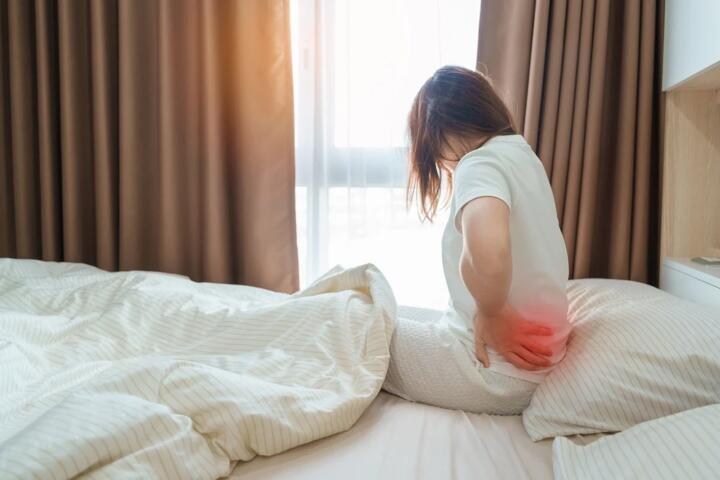
Soreness after activity often feels like a simple “muscle fatigue” problem, but sleep quality changes the nervous system’s pain processing and the body’s recovery chemistry. When sleep is short, fragmented, or chronically low quality, many people notice more tenderness the next day, slower recovery, and a higher chance that mild aches feel more intrusive.
Consider two common scenarios. After a workout, one person sleeps 7.5–8.5 hours with few awakenings and wakes up with mild stiffness that improves through the day. Another person sleeps 4.5–6 hours with frequent wake-ups and wakes up with stronger soreness that lingers longer, even if the workout intensity was similar. The difference often comes from sleep’s effects on pain signaling, inflammation regulation, and muscle repair timing.
Sleep also interacts with daily soreness from non-exercise sources. People with desk jobs may develop neck or back discomfort from posture and repetitive strain. If sleep is poor, the same mechanical irritation can feel more painful because the brain’s threshold for discomfort drops and the body’s inflammatory balance shifts.
What People Get Wrong
A frequent misunderstanding is treating soreness as purely local tissue damage. Muscle soreness involves local processes such as micro-injury and swelling, but pain perception depends heavily on the central nervous system. Poor sleep changes how sensory input is interpreted, so discomfort can feel stronger even when tissue damage is not dramatically worse.
Another error is assuming that “sleeping more” fixes everything. Sleep quantity matters, but sleep quality matters too: frequent awakenings, irregular schedules, and low deep-sleep or low REM sleep can worsen next-day pain sensitivity. Someone who spends 9 hours in bed but wakes repeatedly may still experience heightened soreness.
People also underestimate how stress hormones connect sleep and pain. When sleep is disrupted, cortisol rhythms can shift and sympathetic nervous system activity can stay higher. That pattern can increase inflammatory signaling and reduce the body’s ability to downshift after physical or mental stress.
Biologically, sleep supports recovery through multiple pathways. During normal sleep, the body coordinates immune activity, tissue repair signaling, and metabolic processes that help clear byproducts of exertion. Sleep disruption can tilt the balance toward a more pro-inflammatory state and can impair the normal regulation of pain pathways, including descending inhibitory control that normally dampens pain signals.
Real-world consequences show up in training and daily life. A person who repeatedly sleeps poorly may increase the risk of overreaching by feeling “behind” and compensating with extra effort, even though recovery is already compromised. In daily life, poor sleep can turn manageable aches into persistent discomfort that affects concentration, mood, and activity choices.
How To Improve Sleep
Stabilize Your Sleep Window
Pick a consistent wake time and build bedtime around it. A stable schedule helps align circadian timing, which supports more consolidated sleep and better deep-sleep and REM distribution across the night. In practice, many people benefit from adjusting bedtime in small steps (for example, 15–30 minutes) rather than making large overnight changes.
What it looks like: you keep the same wake time on weekdays and weekends, then set bedtime so you are asleep within about 20–30 minutes. If you regularly lie awake longer than 30 minutes, the issue may be sleep timing, arousal level, or sleep environment rather than “not trying hard enough.”
Tools and methods: a simple sleep diary for 1–2 weeks can reveal patterns such as late-night screen time, inconsistent wake times, or naps that shift bedtime. If you nap, keep it short (often 20–30 minutes) and avoid late afternoon timing that delays nighttime sleep.
Realistic outcomes: stabilizing the sleep window often improves sleep continuity within days to a couple of weeks, though pain changes may lag because recovery processes take time.
Reduce Nighttime Pain Triggers
Address factors that fragment sleep and amplify discomfort. Common triggers include heavy late meals, alcohol close to bedtime, overheating, and an uncomfortable sleep surface. Temperature affects sleep onset and maintenance; many people sleep better when the room is cool rather than warm.
What it looks like: you stop caffeine 6–8 hours before bed, keep the bedroom dark and quiet, and avoid intense training immediately before sleep. If soreness is worst at night, gentle movement earlier in the evening may help, but avoid turning the night into a cycle of stretching that keeps you alert.
Tools and methods: try a wind-down routine that reduces arousal—dim lights, lower cognitive load, and consistent pre-sleep activities. If pain wakes you, note whether it is positional (worse on one side) or generalized; positional discomfort may respond to pillow support and mattress alignment, while generalized soreness may respond more to overall sleep quality.
Realistic outcomes: reducing awakenings can lower next-day soreness for some people within 1–2 weeks, especially when sleep fragmentation is a major driver.
Use Recovery-Friendly Habits
Sleep and soreness interact with training load and daily stress. If you increase exercise intensity while sleep is poor, soreness often becomes more noticeable because the body has less capacity to regulate inflammation and pain signaling. A recovery-friendly approach includes pacing and avoiding “all-or-nothing” increases in volume.
What it looks like: after a hard session, you plan a lighter day or active recovery rather than stacking another intense workout. You also keep hydration and nutrition consistent, since dehydration and low energy availability can worsen perceived discomfort and fatigue.
Tools and methods: track soreness and sleep together for a few weeks. A simple scale (for example, 0–10 soreness at wake-up) paired with sleep duration and awakenings can show whether poor sleep reliably predicts higher soreness for you.
Realistic outcomes: when training load and sleep improve together, many people notice faster day-to-day recovery, though the exact timeline varies by activity type and baseline sleep patterns.
Know When Sleep Needs Medical Review
Some sleep problems are not solved by routine changes. Loud snoring, witnessed breathing pauses, persistent daytime sleepiness, restless legs sensations that urge movement, or insomnia that persists despite consistent habits can indicate conditions that affect sleep quality and pain sensitivity.
What it looks like: you follow a stable schedule for several weeks, reduce caffeine, and improve the sleep environment, yet sleep remains fragmented or you feel unrefreshed most days. In that situation, a clinician can assess sleep disorders and other contributors to pain and fatigue.
Tools and methods: prepare a brief summary of sleep timing, awakenings, snoring or breathing concerns (if known), and pain patterns. If you use wearable devices, treat them as rough estimates rather than definitive measurements.
Realistic outcomes: addressing an underlying sleep disorder can improve sleep continuity and reduce next-day discomfort for many people, but outcomes depend on the specific cause and individual factors.
Realistic Case Examples
Case 1: Post-Workout Soreness
A 32-year-old trains three to four days per week. After a new strength session, soreness peaks on day two. When the person slept 5–6 hours due to late work, soreness on waking was rated 8/10 and lasted into the evening. After shifting the schedule to a consistent wake time and moving caffeine earlier, sleep duration rose to about 7 hours with fewer awakenings, and soreness ratings dropped to around 5–6/10 with faster improvement across the day.
This example illustrates a common pattern: sleep fragmentation can increase pain sensitivity and slow the “downshift” after exertion, even when the workout itself is unchanged.
Case 2: Desk-Related Discomfort
A 45-year-old experiences recurring neck and upper back tightness from long computer sessions. During a week of poor sleep caused by irregular bedtime and late-night scrolling, the person reports waking with more stiffness and difficulty settling into the day. When sleep became more consistent and the bedroom stayed cooler and darker, the same posture-related discomfort felt less intense and improved more quickly after morning movement.
This scenario highlights that sleep quality can change how strongly the nervous system responds to ongoing mechanical irritation.
Sleep Vs Soreness Checklist
| Situation | What You May Notice | Sleep Quality Clue | Practical Next Step |
|---|---|---|---|
| Short sleep (under ~6 hours) | Soreness feels stronger at wake-up; recovery feels slower | Less time in deep/REM sleep; higher next-day pain sensitivity | Shift bedtime earlier by 15–30 minutes and keep a consistent wake time |
| Fragmented sleep (frequent awakenings) | Waking unrefreshed; soreness persists through the day | More time awake at night; irregular sleep stages | Reduce late caffeine, cool the room, and simplify the evening routine |
| Irregular schedule | Soreness varies day to day; sleep timing feels unpredictable | Circadian misalignment; delayed sleep onset or early waking | Anchor wake time; adjust bedtime gradually |
| Possible sleep disorder | Persistent unrefreshing sleep; daytime sleepiness; pain sensitivity remains high | Snoring, breathing pauses, restless legs, or chronic insomnia | Seek medical evaluation; bring a sleep and symptom summary |
Common Mistakes
People often chase soreness relief by changing only exercise or only pain habits while leaving sleep fragmented. If sleep remains short or interrupted, the nervous system stays more reactive, and soreness can persist despite better pacing.
Another mistake is using naps to “catch up” without tracking timing. Long or late naps can shift nighttime sleep later, increasing sleep fragmentation and worsening next-day discomfort.
Some people treat bedtime as a time to solve problems or scroll content. High mental arousal delays sleep onset and increases the chance of waking during lighter sleep stages, which can heighten pain sensitivity.
Overcorrecting with extreme bedtime changes can backfire. Large shifts can disrupt circadian alignment and create a cycle of delayed sleep onset followed by short sleep duration.
Finally, people sometimes ignore signs of sleep disorders because soreness feels like the main issue. Snoring with breathing pauses, restless legs sensations, or persistent daytime sleepiness can indicate a sleep problem that affects pain processing.
FAQ
Can Poor Sleep Make Muscle Soreness Worse?
Yes. Sleep disruption can increase pain sensitivity and change inflammatory regulation, so the same level of tissue stress can feel more intense the next day.
Does Sleeping Longer Always Reduce Soreness?
Longer sleep helps when it improves sleep continuity and sleep stages. Spending more time in bed without reducing awakenings may not reduce soreness as much.
Why Do I Feel More Pain After a Bad Night?
Poor sleep can reduce the brain’s descending pain inhibition and shift immune signaling toward a more pro-inflammatory pattern, which increases how strongly discomfort is perceived.
Can Sleep Improve Recovery From Exercise?
Sleep supports recovery processes such as immune regulation and tissue repair signaling. When sleep quality improves, many people notice faster day-to-day recovery, though the timeline varies by activity and baseline sleep.
When Should I Get Help for Sleep-Related Pain?
Seek medical evaluation if insomnia or unrefreshing sleep persists despite consistent habits, or if there are signs such as loud snoring with breathing pauses, restless legs sensations, or significant daytime sleepiness.
Author's Insight
Sleep affects soreness through both local recovery biology and central pain processing. When sleep is fragmented or short, the body’s inflammatory regulation and pain modulation systems shift, which can make normal post-activity discomfort feel stronger and last longer. Practical sleep improvements often focus on schedule stability, reducing awakenings, and lowering evening arousal so sleep stages consolidate. If sleep problems persist or include symptoms suggestive of a sleep disorder, medical review becomes a rational next step because routine changes may not address the underlying cause.
Key Takeaways
- Sleep quality influences soreness by changing pain sensitivity and recovery-related immune signaling, not just by affecting fatigue.
- Short sleep, fragmented sleep, and irregular schedules can all increase next-day discomfort.
- Stabilize wake time, reduce late caffeine and arousal, and address sleep-environment factors that cause awakenings.
- Track sleep and soreness together for 1–2 weeks to identify patterns that match your routine.
- If sleep remains unrefreshing despite consistent habits or if sleep-disorder signs appear, consider medical evaluation.