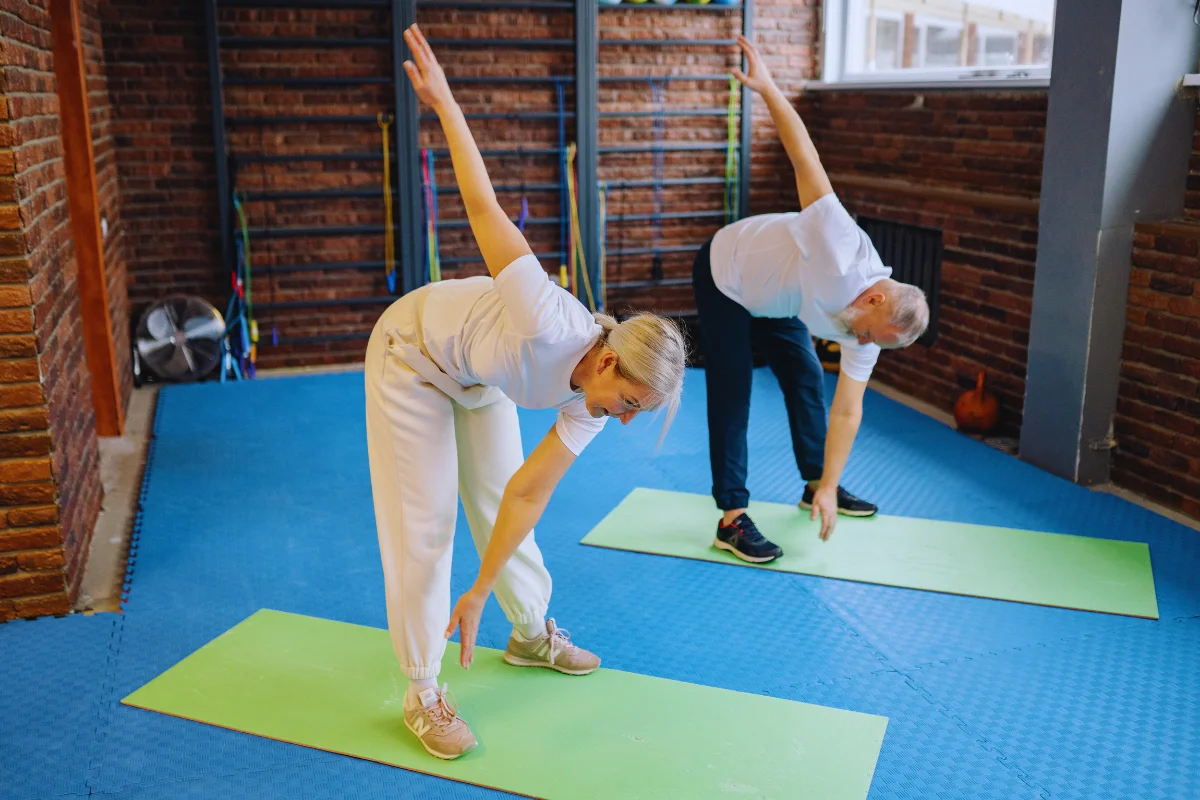
Gentle Movement Over Rest
Total rest means staying still for long stretches, sometimes with the goal of “letting the body heal.” That approach can feel sensible when pain, fatigue, or stiffness is present, yet it often worsens the very problems people try to avoid. Gentle movement keeps joints lubricated, maintains muscle activity, and supports circulation without demanding high effort.
For example, after a minor injury or a flare-up of back or knee discomfort, many people do better with short, frequent walks or mobility sessions than with lying down all day. After an illness that reduces energy, moving in small amounts—like standing up, doing light household tasks, or taking a few minutes of easy walking—can help prevent stiffness and deconditioning.
“Gentle” does not mean doing nothing. It means choosing activity that stays below the threshold that increases symptoms sharply, then repeating it often enough to keep the body responsive.
Why People Rest Too Much
People often choose total rest because pain signals danger. That instinct is understandable, but the body responds to inactivity in predictable ways. When you stop moving, muscles lose tone and endurance, joints stiffen, and connective tissues adapt to less load.
Inactivity also affects circulation. Reduced muscle contractions slow blood flow through the legs, which can contribute to swelling and a heavy, tight feeling. In some settings, prolonged immobility increases the risk of blood clots, especially when combined with other risk factors such as recent surgery, older age, or certain medical conditions.
Another common issue is fear-based avoidance. If movement reliably increases discomfort, people may stop trying altogether. Over time, the nervous system can become more sensitive to movement-related signals, making the next attempt feel harder even when the original injury has improved.
There is also a practical consequence: total rest can reduce daily function. When you spend most of the day still, you may lose the ability to tolerate normal tasks, which then increases reliance on rest again. This cycle can be especially noticeable after bed rest from illness or after a period of reduced activity due to stress or caregiving demands.
Biologically, gentle movement helps by providing low-level mechanical input. That input supports joint range of motion, encourages muscle recruitment, and can reduce stiffness through repeated use. It also helps regulate breathing and heart rate, which can improve how you feel during recovery.
What Gentle Movement Looks Like
Gentle movement targets symptom control and consistency rather than intensity. A practical rule is to choose activities that keep discomfort mild and stable during the session and do not cause a large symptom increase that lasts into the next day.
Examples include slow walking, short mobility routines, gentle cycling with low resistance, or light stretching that does not force end-range pain. Household tasks can count: slow sweeping, washing dishes while standing, or taking stairs one step at a time if that is tolerable.
For people who feel stiff, a “warm-up” approach often works better than starting at full range. Moving a little, then gradually increasing motion within comfort can reduce the start-up stiffness that makes people want to stop.
Gentle movement also includes pacing. Instead of one long session, multiple short bouts—such as 5 to 10 minutes spread across the day—often feel more manageable and help prevent the boom-and-bust pattern where activity spikes then triggers a setback.
How To Choose The Right Pace
Use A Symptom Threshold
Pick an activity level that keeps discomfort in a mild range. A common consumer-friendly method is the “next-day rule”: symptoms may rise slightly during movement, but they should settle back to baseline within about 24 hours. If symptoms spike and linger, the activity dose is too high.
In practice, start with a small amount you can repeat. If a 10-minute walk increases pain for two days, reduce to 5 minutes or switch to a different activity like stationary cycling or shorter indoor walking. The goal is a dose that you can repeat, not a dose that tests limits.
Tools that help include a simple pain or stiffness rating before and after activity, plus a log of what you did and how you felt the next morning. This turns “gentle” into measurable feedback.
Prefer Short, Frequent Bouts
Frequent movement reduces the stiffness that builds during long stillness. Many people tolerate 5 to 15 minutes better than one 45-minute session, especially during recovery from pain, injury, or illness.
For example, if you sit most of the day, aim for a brief standing or walking break every 30 to 60 minutes. If you are recovering from reduced mobility, start with a few minutes of easy movement two or three times daily, then add time gradually if symptoms remain stable.
Practical methods include setting timed reminders, using a step goal that starts low (such as a small increase from your current average), or pairing movement with routine anchors like after meals or during phone calls.
Move Through Comfort, Not Through Sharp Pain
Gentle movement should avoid sharp, escalating pain. Mild stretching discomfort can be acceptable for some people, but forcing through intense pain often increases muscle guarding and can prolong recovery.
In practice, choose ranges that feel like “stretch and ease” rather than “pinch and flare.” For joint stiffness, slow range-of-motion movements can help. For example, ankle circles, gentle knee bends while seated, or shoulder rolls within comfort can restore mobility without high load.
Relevant tools include a mirror for form awareness, a chair for supported movements, and a warm environment if stiffness is prominent. If you notice a clear pattern of symptom worsening after a specific motion, modify or skip that motion and choose a different one that stays within the threshold.
Use Recovery Signals To Adjust
Movement dose should respond to recovery signals. Sleep quality, next-day symptom levels, and overall fatigue can guide adjustments. If fatigue is high, the “gentle” plan may mean shorter sessions or lower intensity rather than stopping completely.
For people returning after illness, gradual progression matters because energy systems can take time to normalize. A conservative approach is to increase activity by small increments and watch for delayed symptom increases that appear later in the day or the next day.
Realistic outcomes vary by condition and baseline fitness, but many people can expect reduced stiffness and improved tolerance for daily tasks when they replace long rest periods with consistent, low-dose movement.
Educational Case Examples
Back Discomfort After Inactivity
An office worker reports a week of mostly sitting due to a busy schedule and mild back stiffness. Total rest worsens stiffness, especially after waking. They switch to 3 short walks daily (about 8 minutes each) plus a supported mobility routine in the evening. Over several days, they notice less morning stiffness and improved comfort during normal tasks. When they try a longer walk that increases pain sharply, symptoms linger the next day, so they return to shorter bouts.
Knee Pain During Return To Activity
A person with intermittent knee discomfort avoids stairs and stays seated most of the day during a flare. They start gentle movement by doing seated knee extensions within comfort and short, slow walks on level ground. They keep discomfort mild and stop before pain becomes sharp. After a week, they can tolerate more time standing and gradually reintroduce stairs one step at a time, using hand support when needed. They avoid “testing” the knee with high-impact activity during the flare period.
Gentle Movement Checklist
| Decision Point | Choose This | Avoid This | What To Do If It Flares |
|---|---|---|---|
| Symptom level during movement | Mild discomfort that stays stable | Sharp, escalating pain | Stop the aggravating activity and switch to a lower-dose option |
| Next-day response | Symptoms return near baseline within 24 hours | Symptoms worsen and linger into the next day | Reduce duration or intensity by about half and reassess |
| Session structure | Short bouts repeated through the day | One long session after prolonged rest | Split the same total time into smaller segments |
| Type of movement | Supported, low-load options (walking, cycling, ROM) | High-impact or heavy loading during a flare | Choose a different movement that targets comfort and mobility |
Common Mistakes To Avoid
- Confusing rest with recovery. Short rest periods can be useful, but long stillness often increases stiffness and deconditioning.
- Using pain as the only guide. Some movements feel uncomfortable without being harmful, while others cause delayed flares. Track next-day response, not just the moment.
- Doing one “big” workout after inactivity. Jumping from total rest to a long session can overwhelm irritated tissues. Start small and repeat.
- Forcing end-range motion. Stretching into sharp pain can increase muscle guarding and prolong symptoms.
- Ignoring fatigue and sleep. When energy is low, movement should be shorter or easier rather than replaced by complete inactivity.
FAQ
Is Complete Bed Rest Ever Helpful?
Some situations require strict rest under medical direction, such as certain acute injuries or illnesses. For many everyday aches and stiffness, prolonged stillness tends to worsen mobility and tolerance, so gentle movement is often a safer default when symptoms are mild and stable.
How Do I Know If Movement Is Too Much?
If discomfort rises sharply during activity or symptoms worsen and last beyond about 24 hours, the dose is likely too high. Reducing duration, intensity, or range usually helps you find a level you can repeat.
Can Gentle Movement Make Pain Worse?
It can if the activity exceeds your symptom threshold or if you force painful ranges. A practical approach is to start with low-dose movement, monitor next-day response, and switch to a different option if a specific motion reliably flares symptoms.
What Counts As Gentle Movement?
Walking at an easy pace, supported mobility exercises, low-resistance cycling, and short standing or household tasks often fit. The key features are low load, controlled range, and repeatable sessions.
How Often Should I Move During Recovery?
Many people do better with multiple short bouts across the day rather than one long session. If you are currently very inactive, starting with a few minutes a couple of times daily and increasing gradually can be more tolerable.
Author's Insight
Gentle movement tends to outperform total rest because the body adapts to the loads it receives. Muscles and joints lose function with inactivity, while low-level, repeatable movement supports circulation, range of motion, and nervous system tolerance. The best “dose” varies by person, so symptom response over the next day matters more than rigid rules. When symptoms are severe, rapidly worsening, or accompanied by red-flag signs, movement guidance should come from appropriate medical evaluation rather than self-management.
Key Takeaways
- Long periods of stillness often increase stiffness and reduce tolerance for daily tasks.
- Gentle movement means low-load activity that keeps discomfort mild and stable.
- Use the next-day rule to adjust dose: symptoms should return near baseline within about 24 hours.
- Prefer short, frequent bouts and avoid sharp, escalating pain.
- If symptoms are severe or worsening, seek medical guidance before continuing self-directed activity.