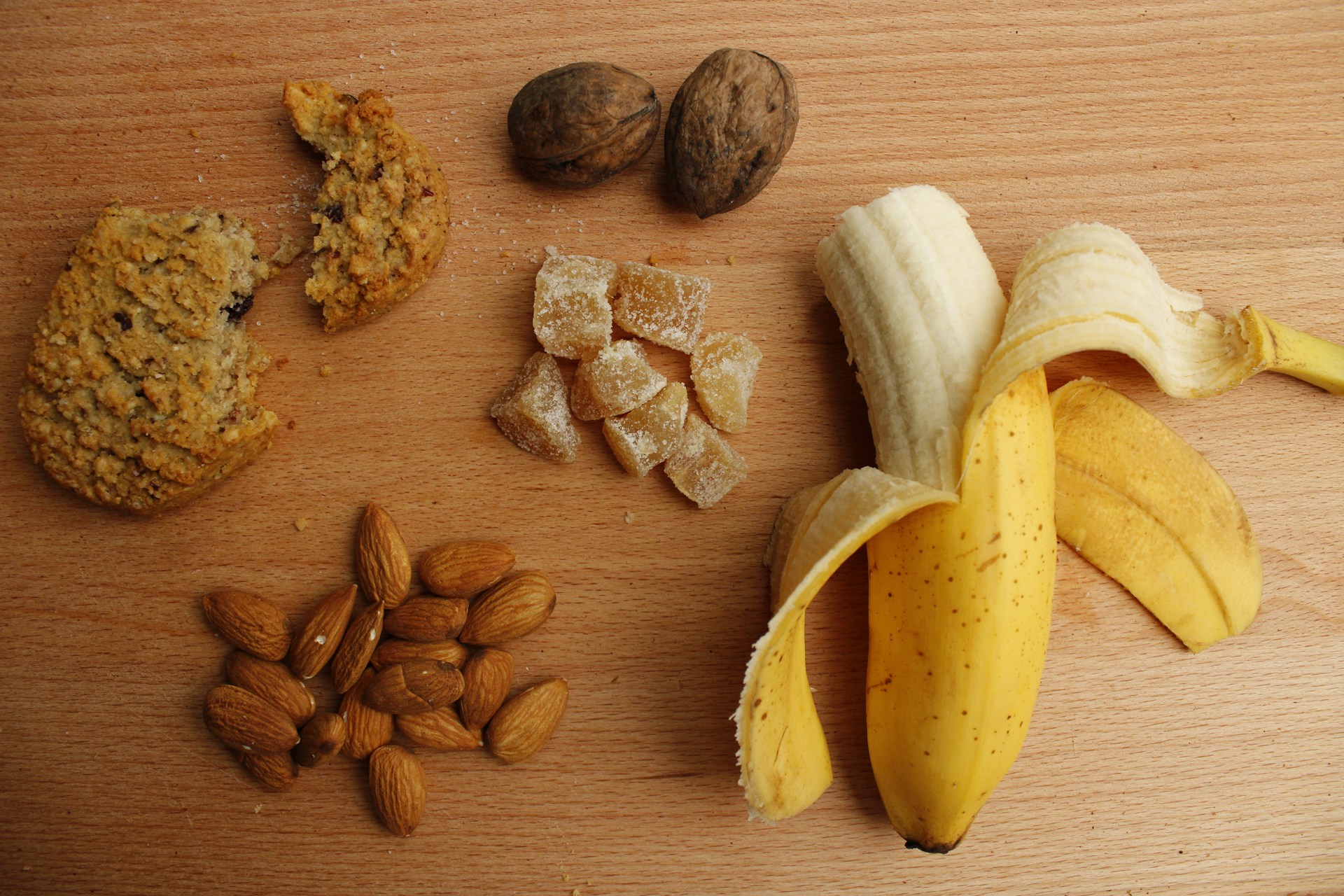
Digestive Role of Fiber
Dietary fiber consists of plant-based carbohydrates that resist digestion in the small intestine. Instead, they transit to the large intestine where their presence triggers critical digestive processes. For instance, soluble fiber dissolves in water forming a gel-like substance that slows digestion and nutrient absorption, helping regulate blood sugar. Insoluble fiber adds bulk and speeds up transit time, preventing constipation. According to the USDA, the average American consumes about 15 grams of fiber daily, far below the recommended 25 to 30 grams, impacting digestive efficiency.
Examples include oats and legumes, rich in soluble fiber, and whole grains or vegetable skins, high in insoluble fiber. These fibers work through different mechanisms but ultimately contribute to smoother digestion.
Common Digestive Issues
Mistakes in fiber intake often cause digestive discomfort. Too little fiber leads to sluggish bowel movements and buildup of waste, raising risks of hemorrhoids and diverticulosis. Conversely, ramping intake too fast, without adequate hydration, causes bloating and gas. Many underestimate how their fiber choices affect gut microbiota—fiber serves as prebiotics, feeding beneficial bacteria that influence inflammation and immunity.
For example, people with irritable bowel syndrome (IBS) might experience worsened symptoms with insoluble fiber, which irritates sensitive intestinal linings. Others ignore fiber’s effect on stool consistency, assuming all fiber behaves the same way. Poor fiber habits can cascade into nutrient malabsorption issues or chronic inflammation.
Actionable Steps for Fiber
Start Gradually
Quick fiber spikes cause bloating. Introduce 3–5 grams per day increments over weeks. This pacing lets gut bacteria adjust without excess gas. Use a food tracker app, like MyFitnessPal, to measure daily intake accurately.
Hydrate Ample Fluids
Fiber swells in the gut only with fluids. Without water, fiber can harden, worsening constipation. Aim for at least 2.5 liters per day to keep fiber functions optimal and stools soft.
Balance Fibers
Mix soluble (from fruits, oats) and insoluble fibers (from whole grains, nuts) to leverage their complementary actions. The soluble part slows digestion improving absorption; insoluble speeds transit preventing build-up. USDA data shows balanced fiber intake reduces colon cancer risks by up to 30%.
Include Fermented Foods
Fermented products like kimchi, yogurt, and sauerkraut boost beneficial bacteria that feed on fiber. This synergy improves gut barrier health and reduces inflammation markers. Gut-specific probiotic supplements also help when diet lacks diversity.
Choose Whole Foods Over Supplements
Fiber supplements (psyllium, inulin) assist but lack the polyphenols and micronutrients in whole foods. Whole-food fiber supports both microbes and overall nutrition. The Mayo Clinic recommends food sources unless specific deficiencies exist.
Monitor Symptoms
Watch for abdominal pain, excess gas, or irregular stool after dietary changes. These indicate needing adjustment in fiber type or quantity. Dietitians often recommend symptom diaries to correlate food intake with digestive response.
Eat Variety Daily
Fiber diversity means multiple plant sources daily—berries, lentils, nuts, green leafy vegetables each supply distinct fibers and nutrients. This diversity encourages a resilient gut microbiome, increases short-chain fatty acid production, and improves digestion.
Time Your Fiber Meals
Distribute fiber evenly across meals instead of heavy single doses. This moderation prevents overload on the digestive tract, reducing discomfort after meals.
Use Tools for Precision
Apps like Cronometer (v3.5.1) offer fiber type breakdown and visualize trends. They help track fiber source variety and balance. This aids sticking to targets and avoiding fiber-related issues.
Real-World Success Stories
A midwestern startup providing food delivery switched their menus to emphasize fiber density and diversity, raising average daily fiber intake per customer from 14 to 28 grams in 3 months. Complaints of bloating dropped by 45%, and customer satisfaction scores went up.
Another case involved a colleague with chronic constipation who introduced oats, flaxseed, and green vegetables gradually over 6 weeks. Stool frequency rose from 2 times per week to daily with softer consistency, improving energy and mood noticeably.
Fiber Intake Checklist
| Step | Action | Goal | Tip |
|---|---|---|---|
| 1 | Track current fiber | Know baseline grams | Use tracking apps |
| 2 | Add fiber slowly | +3–5g per week | Avoid sudden spikes |
| 3 | Balance fiber types | Equal soluble, insoluble | Use variety of plants |
| 4 | Hydrate well | 2.5 L or more daily | Drink water, herbal tea |
| 5 | Include fermented foods | Support gut bacteria | Yogurt, kimchi daily |
| 6 | Distribute fiber intake | Even across meals | Avoid overload |
Fiber Mistakes to Avoid
Ignoring your water intake after adding fiber worsens constipation—fluid is required. Skipping soluble fiber and relying only on bran flakes leads to stool hardness and irritation. Taking fiber supplements without medical need often causes imbalance in gut flora. Assuming fiber benefits everyone equally ignores conditions like IBS, where specific fibers cause flare-ups.
Don’t forget meal context either. Fiber with high-fat or low-water meals decreases motility. Also, excessive fiber beyond 50 grams daily disrupts absorption of minerals like iron and zinc, which baffled me at first.
FAQ
How much fiber daily supports digestion?
The recommended intake ranges from 25 to 30 grams per day for most adults, but individual needs vary based on age, gender, and health conditions.
What foods have best fiber for gut health?
Oats, legumes, berries, nuts, and whole grains offer a mix of soluble and insoluble fibers that promote healthy bowel function and microbial diversity.
Can fiber supplements replace food fiber?
Not completely. Supplements help meet targets but lack the nutrients and diversity of whole-food fibers, which deliver full digestive benefits.
How does fiber feed gut bacteria?
Fiber is fermented by gut microbes, producing short-chain fatty acids like butyrate, which support colon lining and reduce inflammation.
Does fiber cause gas and bloating?
It can, especially when introduced rapidly or without hydration. Gradual increases and fluid intake reduce these symptoms.
Author's Insight
From my experience advising clients since 2016, fiber regimens vary widely person to person. Tracking intake with apps reveals gaps most don't realize. Balancing soluble and insoluble fibers always improves my clients’ digestion, but hydration balances results. I’ve found the right fiber plan reduces bloating faster than probiotics alone, which, frankly, most people skip. Persistent symptoms deserve a tailored approach with professional input.
Summary
Fiber supports digestion by regulating bowel movements and nurturing beneficial microbes. Achieving a balance of fiber types, introducing changes gradually, and maintaining hydration maximizes benefits. Tracking intake and tuning diet based on symptoms helps avoid common pitfalls. An active approach to fiber improves overall gut comfort and long-term health.