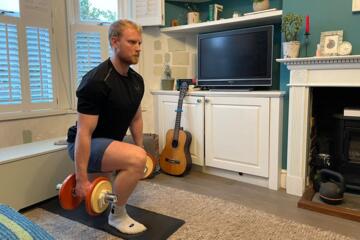
Warming Up: the Basics
A warm-up is a short period of gradual activity before exercise or sport. Its goal is not to “tire you out,” but to raise muscle temperature, increase blood flow, and shift your nervous system into a movement-ready state.
Muscle temperature rises quickly with light activity; even a modest increase can improve how muscles produce force and how joints tolerate motion. In controlled lab settings, warming protocols often raise muscle temperature within minutes, which helps explain why a few minutes of easy movement can feel easier and more controlled than jumping straight into hard effort.
Warming up also changes cardiovascular and breathing patterns. Heart rate and ventilation rise progressively, which reduces the mismatch between your body’s oxygen demand and supply when you start intense work.
Two evidence-based facts help frame the topic. First, randomized trials in sports medicine report that structured warm-ups can reduce the risk of certain injuries, especially knee and ankle injuries in some populations. Second, biomechanical studies show that movement quality improves after warm-up in many people, including better joint positioning and timing during tasks that require balance and rapid direction changes.
What People Get Wrong
Many people treat warm-up as optional time rather than a physiological transition. Starting at full intensity can overload tissues that have not yet reached a temperature and movement pattern that match the task.
A common mistake is doing only static stretching. Static stretching before activity can temporarily reduce muscle-tendon stiffness in some contexts, which may affect performance and joint control for explosive tasks. Light dynamic movement tends to better match the demands of running, jumping, or lifting because it warms tissue while practicing the movement pattern.
Another error is warming up too briefly. If you begin hard work after only a few seconds of easy movement, your heart rate, muscle temperature, and coordination may lag behind the intensity you demand.
Warm-up also matters for tendons and ligaments. These tissues respond to load and temperature; cold or stiff conditions can increase the chance of micro-injury when you suddenly apply high force or rapid stretch.
Real-world situations where warm-up gaps show up include: sprinting after sitting for a long time, returning to training after a layoff, and starting a workout with heavy lifts before doing any ramp-up sets. In each case, the body faces a sudden jump in force, speed, or range of motion.
Solutions and Tips
Match the warm-up to the task
Choose warm-up movements that resemble what you will do next. If you plan to run, include easy jogging or brisk walking; if you plan to lift, include lighter versions of the same exercises. This works because your nervous system rehearses the movement pattern while your muscles and joints warm up.
In practice, aim for a progression: start easy, then gradually increase effort. For example, before a 5–10 minute run, you might do 2–3 minutes of brisk walking followed by 2–3 minutes of easy jogging before increasing pace.
Useful tools include a timer, a perceived exertion scale (for example, staying around “light” effort early), and a simple ramp plan for lifting (lighter sets before heavier sets).
Typical outcomes people notice are smoother movement, less “tight” feeling, and better control during the first hard minutes.
Use a 5–12 minute ramp
For many healthy adults, a warm-up lasting about 5–12 minutes fits common training sessions. The exact timing depends on temperature, intensity, and how long you’ve been inactive, but the principle stays the same: gradual progression beats abrupt intensity.
This approach works by giving your heart rate and breathing time to rise and giving muscles time to warm. It also gives your coordination time to settle into the task.
In practice, you can structure it as: 1–3 minutes of easy movement, 2–5 minutes of moderate movement, then 1–2 minutes that approach the first work intensity without going all-out.
As a realistic target, many people can reach a “ready” state within this window, especially when the warm-up includes movement rather than only stretching.
Prefer dynamic mobility
Dynamic mobility uses controlled motion through your usual ranges of motion, often with a gentle increase in speed or reach. Examples include leg swings, arm circles, walking lunges, hip hinges with light weight, and ankle rocks.
This works because it warms tissue while practicing joint positions you will use during the activity. It also helps you notice stiffness or limited range before it becomes a problem under load.
In practice, keep each movement controlled and stop short of pain. Use 5–10 repetitions per side for most dynamic drills, then move into the activity-specific ramp.
For people with a history of joint irritation, dynamic mobility can be a safer starting point than aggressive stretching, since it avoids prolonged end-range positions.
Ramp lifting with lighter sets
When warming up for resistance training, use lighter sets of the same exercise before heavier work. This includes both the first movement pattern and the load you plan to use.
Why it works: tendons and muscles respond to gradual loading, and your nervous system practices the coordination needed for the heavier set. Ramp-up sets also help you confirm technique before fatigue and load increase.
In practice, a common approach is 2–4 ramp sets. For example, if your working weight is a moderate-to-heavy load, you might do a set at about 30–50% of that weight, then 50–70%, then 70–90%, before the first working set.
Realistic outcomes include fewer “stiff” first reps and better bar path or movement mechanics during the first heavy set.
Include brief activation for weak links
Some warm-ups add short activation drills aimed at stabilizing joints during movement. Examples include glute bridges, banded lateral walks, dead-bug variations, or controlled single-leg balance.
This works when the activation targets a movement control issue. It can improve how you recruit muscles for stability, which matters during tasks that challenge balance, cutting, or landing.
In practice, keep activation brief: 1–2 sets of 5–10 reps or 20–40 seconds of balance work. Avoid turning activation into a workout; the goal is readiness, not fatigue.
People with prior injuries should choose activation drills that do not reproduce their usual pain pattern.
Adjust for cold, illness, and time off
Warm-ups often need to be longer when the environment is cold, when you’ve been sedentary for hours, or when you return after a break. Cold conditions slow tissue warming, and time away can reduce how quickly your coordination returns.
This works because it compensates for slower temperature rise and slower neuromuscular readiness. It also reduces the chance of starting too abruptly.
In practice, add 3–5 minutes of easy movement before dynamic drills, and keep the first intensity step conservative. If you are ill, use a cautious approach; if symptoms include fever, chest discomfort, or significant shortness of breath, seek medical guidance rather than pushing through.
Realistic outcomes include fewer “first-minute” strains and less joint stiffness during the early part of training.
Know when to skip or modify
Warm-up should not force you into painful ranges. If you feel sharp pain, joint catching, or pain that escalates quickly during warm-up, stop and modify the plan.
This works because it prevents tissue irritation from turning into a worsening injury. Warm-up is a preparation phase, not a test of tolerance.
In practice, choose a lower-intensity option (for example, cycling instead of running) or reduce range of motion. If symptoms persist or worsen, professional medical assessment is appropriate.
For people with known conditions such as unstable joints or certain tendon disorders, the safest warm-up choices depend on the specific problem and should be discussed with a clinician or physical therapist.
Case Examples
Runner who starts too fast
A recreational runner begins a 20-minute interval session immediately after stepping onto the track. The first two minutes feel unusually tight, and the runner notices a mild calf ache that lingers into the next day. After switching to a 10-minute ramp warm-up with brisk walking, easy jogging, dynamic ankle and calf drills, and a short set of faster-but-not-all-out strides, the runner reports better comfort during the session and less lingering soreness.
This example illustrates a common pattern: the body often needs time to warm and coordinate before higher-speed work. It does not guarantee injury prevention, but it addresses the mismatch between intensity and readiness.
Lifter who skips ramp sets
A person training for strength starts heavy squats right after a few warm-up reps with the bar. The first heavy set feels unstable, and technique breaks down under load. After adding two ramp sets that gradually increase weight and include controlled tempo reps, the person completes the first working set with more consistent form and less discomfort.
This scenario highlights how gradual loading can improve coordination and reduce the chance that the first heavy reps are performed under cold, unpracticed conditions.
Warm-Up Checklist
| Warm-up element | What to do | Typical time/volume | What you should feel |
|---|---|---|---|
| General movement | Easy walk, cycle, or light jog to raise temperature | 1–3 minutes | Warmth, light breathing, no sharp pain |
| Dynamic mobility | Controlled swings, hinges, lunges, ankle rocks | 5–10 reps per drill | More range, smoother motion |
| Activation (optional) | Glute bridge, band walks, balance control | 1–2 sets | Stability without fatigue |
| Task-specific ramp | Gradually increase speed or load | 1–3 minutes or 2–4 ramp sets | Ready feel, controlled effort |
Common Mistakes
Doing long static stretching right before explosive activity is a frequent error. Prolonged end-range positions can reduce muscle-tendon stiffness temporarily, which may worsen control for sprinting, jumping, or heavy lifting.
Skipping the ramp step for lifting is another common issue. Heavy sets performed as the first loaded exposure can increase the chance of technique breakdown and sudden tissue stress.
Using warm-up drills that reproduce the exact pain pattern can backfire. Warm-up should not turn a mild stiffness into sharp discomfort.
Overheating is less discussed but real. In hot conditions, pushing warm-up intensity too high can cause early fatigue and dehydration risk; keep the warm-up progressive and avoid all-out efforts.
Finally, treating warm-up as identical every day ignores context. Cold weather, long sedentary periods, and return-to-training after a break often require a longer, more gradual approach.
FAQ
How long should a warm-up take?
For many people, 5–12 minutes works well, with longer warm-ups in cold conditions or after long inactivity. The best target is gradual progression into the first work intensity without pain or abrupt effort.
Is static stretching a bad warm-up?
Static stretching can be useful at other times, but it often does not match the demands of sprinting, jumping, or heavy lifting right before activity. Dynamic mobility and gradual ramping usually better prepare joints and muscles for movement.
Do warm-ups prevent all injuries?
No. Warm-ups can reduce risk for some injury types and improve movement quality, but they cannot eliminate risk because injuries also depend on training load, technique, footwear or equipment, fatigue, and individual anatomy.
What warm-up is best for lifting?
Use lighter sets of the same exercise and gradually increase load over 2–4 ramp sets. Add brief activation or dynamic mobility if you notice stiffness or poor control in the first reps.
Should I warm up when I feel sore?
Gentle movement can help stiffness, but warm-up should not reproduce sharp pain or worsening symptoms. If pain increases quickly, changes your gait, or persists, seek medical advice rather than pushing through.
Author's Insight
Warming up protects the body by aligning physiology with demand: muscle temperature rises, cardiovascular output increases gradually, and movement coordination improves. These changes reduce the mismatch that occurs when intense activity starts abruptly.
Evidence from sports injury prevention research supports the idea that structured warm-ups can lower risk for certain injuries, especially when they include neuromuscular and movement-control components. The size of benefit varies by sport, population, and warm-up design.
Warm-up is not a substitute for sensible training progression. If you increase intensity or volume too quickly, warm-up cannot fully compensate for the load your tissues face.
Key Takeaways
Warm-ups protect your body by raising tissue temperature, improving joint motion, and preparing your nervous system for the specific demands of exercise. A practical plan usually includes 5–12 minutes of gradual movement, dynamic mobility, and a task-specific ramp, with extra time in cold conditions or after inactivity.
Benefits are most likely when warm-up matches the activity and avoids pain-provoking ranges. Warm-ups do not guarantee injury prevention, and they cannot offset overly rapid training increases.
Seek professional medical advice if you have sharp or worsening pain during warm-up, joint instability, symptoms like chest discomfort or faintness, or persistent problems that interfere with normal movement.