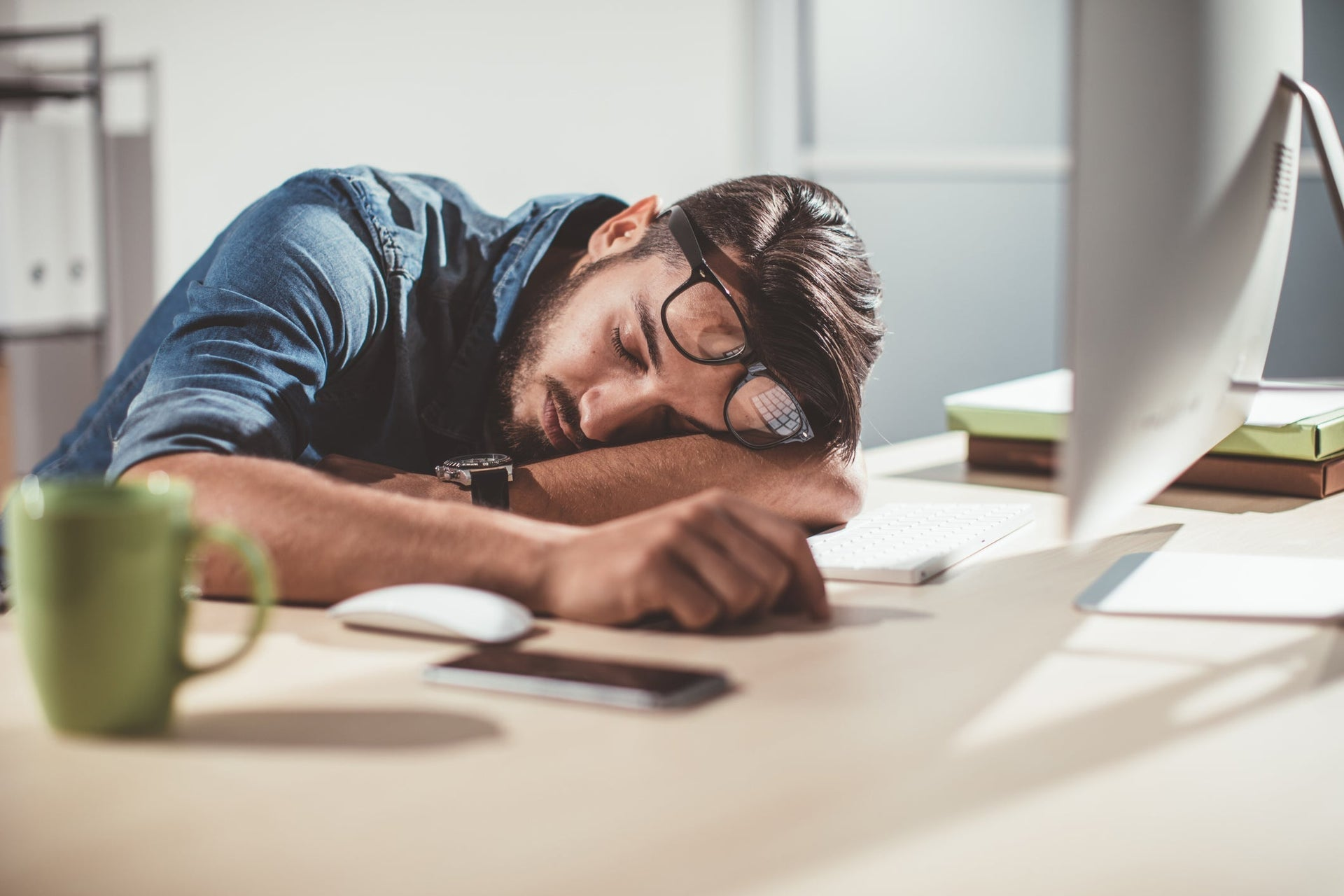
Understanding Afternoon Slumps
Most people experience a dip in energy between 1 pm and 3 pm. This slump appears in workforce data consistently, with up to 70% of adults reporting some decline in alertness during these hours, according to a 2020 National Sleep Foundation survey. Often, it follows lunch but isn’t only about digestion. A complex interaction of biology and lifestyle factors sways energy levels midday.
For example, after a carb-heavy lunch, blood sugar spikes then drops, causing drowsiness. The body's internal clock, governed by the circadian rhythm, dips in the afternoon, signaling reduced alertness. Environmental factors—like office lighting or postural habits—can worsen this slump. A simple morning caffeine boost fades by early afternoon, leaving a void that’s often mistaken for laziness or lack of motivation.
Common Myths and Real Issues
Many believe the crash results from poor sleep or laziness, but that oversimplifies the issue. Sleep deprivation certainly worsens crashes but does not explain why rested people still suffer them regularly. Another misconception claims eating more food prevents fatigue; in reality, the wrong foods exacerbate energy swings due to blood sugar fluctuations. Ignoring hydration status also plays a role—mild dehydration can cut concentration by up to 20%, a fact overlooked by many.
Without addressing these, productivity nosedives. People end up reaching for sugary snacks or energy drinks, leading to cycles of highs and lows. This pattern can trigger mood swings and increase stress hormones like cortisol by 15-20%, compounding the problem. At workplaces, this translates to more errors, longer task completion times, and even increased injury risk in industries like manufacturing.
Practical Fixes for Energy
Choose Lunch Wisely
Picking meals rich in protein and fiber but moderate in carbs stabilizes blood sugar. For instance, spinach salad with grilled chicken and lentils keeps glucose levels steady for hours. Research on low-glycemic foods shows they can reduce afternoon drowsiness by up to 30%. Avoid white bread, pasta, or sugary desserts post-lunch.
Hydration Matters
Drinking 500 ml of water within an hour after lunch helps maintain cognitive function. Electrolyte-balanced waters, like those from the brand Smartwater, may improve alertness further by replacing salts lost during activity. Dehydration leads to reduced cerebral blood flow, impairing focus; many fail to account for this simple fix.
Short Movement Breaks
Quick 5–10 minute walks or standing exercises boost circulation and oxygen flow to the brain. A 2019 study tracked office workers and found these breaks increased energy levels by 15% and cut afternoon fatigue. Stretching at a desk or using apps like Stretchly can remind you to move; skipping this habit leaves you stuck in a fatigue loop.
Light Exposure Timing
Getting natural light—ideally 15 minutes—mid-afternoon resets circadian dips. Sunlight suppresses melatonin, the sleep hormone, helping stay alert. If natural light is scarce, devices like Philips Hue bulbs with daylight simulation can help, though they’re less effective than real sun. Timing matters more than duration.
Caffeine Smart Use
Postpone afternoon caffeine until the midpoint of your slump rather than reaching immediately after lunch. A 50 mg dose, about half a cup of coffee, boosts alertness without disrupting nighttime sleep patterns. Overconsumption backfires by increasing anxiety and jitteriness, so dose carefully.
Mindful Breathing and Focus
Practicing simple breathing exercises—four seconds inhale, six seconds exhale—lowers cortisol and refreshes mental clarity. Apps like Headspace offer brief guided sessions that can transform 3-5 minutes into a reset for your brain’s energy system. Neglecting this often leads to stress-related fatigue.
Power Naps If Possible
A nap of 10–20 minutes early afternoon improves memory retention and energy. NASA’s research on pilots shows this reduces fatigue seriously and improves task performance by 34%. Longer naps, 30+ minutes, risk sleep inertia—worse grogginess afterward—so keep them short and timed before 3 pm to avoid sleep cycle disruption.
Mind Your Posture
Slouching compresses lungs, reducing oxygen intake which contributes to tiredness. Adjusting to an ergonomic chair and desk encourages upright sitting, which increases alertness by 10%. This small change, often dismissed, makes a noticeable difference by noon.
Real-Life Case Studies
At Acme Corp, warehouse staff suffered from afternoon crashes that led to increased errors by 22%. Management introduced standing workstations, hydration stations, and scheduled 7-minute movement breaks. After 6 weeks, production errors dropped 18%, and self-reported alertness improved by a third.
At a marketing agency, employees replaced carb-heavy lunches with balanced meals and used light therapy lamps. Productivity rose 20%, and energy complaints lowered notably in internal surveys. One employee joked about buying a Philips Hue setup version 2.0 solely for the afternoon boost.
Energy Habits Checklist
| Action | Timing | Effect | Tool/Tip |
|---|---|---|---|
| Balanced lunch | Midday | Stable energy | Protein, fiber focus |
| Water intake | After lunch | Improved focus | 500 ml minimum |
| Movement break | Every 60 min | Boosted circulation | Apps like Stretchly |
| Light exposure | Mid-afternoon | Melatonin drop | Sunlight or lamps |
| Caffeine dose | After slump start | Alertness spike | ~50 mg caffeine |
| Power nap | 1-3 pm | Cognitive lift | 10-20 minutes max |
Energy Pitfalls
Skipping breakfast or eating sugary snacks before lunch sets a bad stage; blood sugar spikes lead to later crashes. Another error is drinking caffeine immediately after lunch—that caffeine hit wears off just when the body needs it most. A heavier lunch packed with simple carbs causes a greater slump than smaller, balanced meals. Ignoring hydration feels minor but worsens fatigue silently.
Ignoring natural body rhythms by working in dim rooms or sitting constantly compounds tiredness. Many try energy drinks that overshoot—causing jitters and disrupting sleep, which cycle back into next day’s slump. Resistance to short breaks is common at work, but it ruins sustained focus and creates burnout. Avoiding, not managing, the slump only makes it worse.
FAQ
What foods cause crashes?
Simple carbohydrates like white bread, sugary snacks, and sweetened beverages cause quick blood sugar spikes followed by rapid drops that trigger drowsiness.
Is napping helpful?
Short naps of 10–20 minutes between 1 and 3 pm boost alertness and memory, but longer naps risk grogginess and interfere with nighttime sleep.
Can caffeine prevent crashes?
Caffeine helps if timed well—consumed after the slump begins—not immediately after lunch, and in moderate doses to avoid sleep disruption.
Does dehydration affect energy?
Yes. Even mild dehydration reduces concentration by about 20% and heightens feelings of fatigue during the afternoon slump.
How does posture relate to energy?
Poor posture compresses lungs and reduces oxygen intake, contributing to sluggishness; sitting upright improves alertness noticeably.
Author's Insight
Over the years working in busy office environments, the mid-afternoon crash persisted despite best intentions. Only after measuring hydration and timing movement breaks did I see real changes. Caffeine timing mattered more than the amount—three cups spread poorly made me worse. Light exposure outdoors, even briefly, reset my energy uniquely. My advice: monitor your patterns like a data project; fatigue reacts well to precise interventions.
Summary
Afternoon crashes arise from blood sugar swings, circadian rhythms, hydration gaps, and lifestyle choices. Fixes include balanced meals, water intake, timely caffeine, short movement, and light exposure. Avoid common pitfalls like heavy carbs and ignoring posture. Small, deliberate daily habits uncover sustained energy and sharper focus—no magic pills needed.