Evening Light And Melatonin
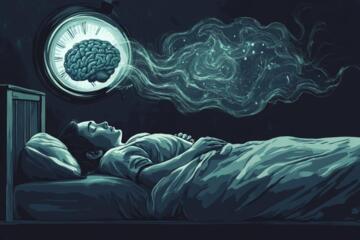
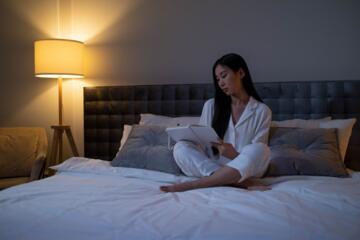
Melatonin is produced by the pineal gland and rises in the evening to help coordinate sleep timing with the day–night cycle. Light reaching the retina signals the brain to reduce melatonin production, so brighter or poorly timed light in the evening can delay the melatonin rise. In practical terms, a person who reads on a bright tablet at 11 p.m. may feel alert longer than expected, even if the room feels “comfortable” to the eye.
Light intensity is often described in lux, which measures illuminance on a surface. Lux values vary widely between settings: a dim living room might be around a few tens of lux, while typical indoor lighting can be several hundred lux. Outdoor evening light near street lamps can be much higher, and direct exposure to headlights or a bright porch light can create localized glare that raises effective retinal light exposure.
Timing matters because the circadian system is more sensitive to light during the biological evening. Even when total sleep time stays the same, shifting melatonin onset can shift sleep onset and next-day alertness. This is why two people with the same bedtime can have different sleep quality if one spends the last hour in brighter light.
Lux And Timing: Practical Targets
There is no single lux number that fits every person, because retinal exposure depends on distance, glare, pupil size, and how much of the visual field is illuminated. Still, a useful approach is to reduce light intensity in the last part of the evening and avoid bright, direct sources near bedtime. Many people find that dimming overhead lights and using lamps with shades reduces perceived brightness and glare at the same time.
Timing targets are often framed as “start earlier than you think.” For circadian effects, changes made 1–2 hours before bedtime tend to matter more than changes made only at the moment you get into bed. If you cannot dim everything, reducing the brightest source and keeping the rest of the room dimmer can lower overall retinal stimulation.
Light spectrum also plays a role because short-wavelength (blue-leaning) light is more effective at suppressing melatonin. However, spectrum changes do not replace brightness reduction. A dim, warm light can be less suppressive than a bright, cool light, even if both are “yellowish.”
Solutions And Recommendations
Dim The Room Before Bed
What to do: Reduce overhead lighting and switch to lower-output lamps 60–120 minutes before bedtime. Aim for a comfortable reading environment where you can see clearly without needing bright fixtures close to your eyes. If you use a desk lamp, position it so the light falls on the page rather than directly into your eyes.
Why it works: Lower illuminance reduces retinal stimulation, which decreases melatonin suppression signals from the eye to the brain. Indirect lighting also reduces glare, which can lessen both circadian and arousal effects.
What it looks like: A living room with lamps on instead of ceiling lights, curtains drawn to reduce bright outdoor sources, and a night routine that keeps the brightest light source away from the line of sight.
Relevant tools or methods: Use a phone light meter app if available, but treat it as approximate because phone sensors vary. More reliable is a practical test: if you need to squint or increase brightness to read, the light is likely too intense for the goal of melatonin support.
Realistic numbers or outcomes: Many households can reduce from several hundred lux (typical indoor overhead lighting) to tens of lux by switching to lamps. People often notice faster “sleepiness” cues when the room is dimmed earlier, though individual responses vary.
Manage Screen Brightness And Distance
What to do: Lower screen brightness and increase viewing distance when possible. Use dark mode or reduce white backgrounds, and avoid using the screen in a completely dark room with the display as the brightest object. If you use a tablet or phone, consider placing it on a stand so the screen is below eye level and not directly facing you.
Why it works: Screens can deliver high illuminance to the retina, especially when the display is bright and close to the face. Distance reduces the light reaching the eye, and reducing contrast against a dark room reduces the perceived and effective stimulation.
What it looks like: A person reading on a laptop with brightness reduced to a level that still allows comfortable text, with a lamp on in the room to avoid a dark-room contrast effect.
Relevant tools or methods: Built-in “night mode” features can shift spectrum, but they do not replace brightness reduction. Use them as a supplement, not the only change.
Realistic numbers or outcomes: Typical indoor screens can produce illuminance levels that are far above dim-room lighting. Reducing brightness and adding ambient light can meaningfully lower retinal contrast, which many people experience as less “wired” feeling before sleep.
Control Outdoor Light At Night
What to do: Reduce exposure to bright streetlights, porch lights, and car headlights. Use curtains or blinds to block direct lines of sight, and consider adjusting outdoor lighting so it does not shine into bedroom windows. If you wake at night, avoid turning on bright overhead lights; use a dim night light instead.
Why it works: Even brief or localized bright light entering the eyes can suppress melatonin and fragment the night signal. Blocking direct glare reduces the intensity reaching the retina.
What it looks like: Curtains that prevent a bright window view, a night light with low output near the floor, and a bedroom layout that avoids direct sightlines to external lamps.
Relevant tools or methods: Light-blocking curtains can be more effective than relying on “room darkness” alone. For night awakenings, choose low-lux lighting and keep it off until needed.
Realistic numbers or outcomes: Outdoor glare can vary dramatically by location and season. People often notice that blocking a single bright source improves sleep continuity, especially if they previously woke and felt alert.
Use Melatonin Carefully When Needed
What to do: If you consider melatonin, treat it as a supplement with dosing and timing that matter. Many products differ in dose and purity, so check the label and avoid combining multiple melatonin-containing products. If you take other medications or have chronic conditions, discuss with a clinician or pharmacist before starting.
Why it works: Melatonin can shift circadian timing and may help with sleep onset in some contexts, but it does not replace light management. Light exposure can still suppress endogenous melatonin even if you take a supplement.
What it looks like: A person who changes evening light first and then, if needed, uses melatonin at a consistent time aligned with their goal (sleep onset versus circadian shifting). They avoid taking it at random times.
Relevant tools or methods: Keep a simple log of bedtime, wake time, light exposure, and next-day sleepiness to interpret whether changes are helping.
Realistic numbers or outcomes: Effects vary by dose, timing, and the underlying sleep timing pattern. Some people notice earlier sleep onset; others notice minimal change. If there is no benefit after a reasonable trial, reassess the plan rather than increasing dose on your own.
Case Examples
Desk Work With Late Screens
A 32-year-old who works at a desk until 10:30 p.m. uses a bright laptop in a dim room for email and then watches videos on a phone in bed. After switching to a lamp in the room, lowering screen brightness, and keeping the screen below eye level, they report falling asleep faster and feeling less “activated” during the last hour. The change is gradual; they still need consistent bedtime timing for the effect to hold.
Evening Cooking And Overhead Lights
A 45-year-old cooks and cleans with overhead lights on from 7 p.m. onward, then reads under a bright ceiling fixture at 11 p.m. They replace overhead lighting with two dim lamps and use a shaded reading lamp aimed at the book. Within a few nights, they notice earlier melatonin-related sleepiness cues and fewer delays in sleep onset, though stress and caffeine timing still affect how quickly they fall asleep.
Light Versus Timing Checklist
| Decision Point | What To Change | Why It Matters | What To Watch For |
|---|---|---|---|
| Last 2 hours | Dim overhead lights; use shaded lamps | Lower illuminance reduces melatonin suppression | If you need bright light to see, reduce glare or reposition lamps |
| Screen time | Lower brightness; increase distance; avoid dark-room contrast | Screens can deliver high retinal stimulation | If you feel more alert, brightness may still be too high |
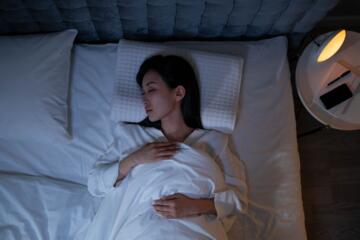
| Bedroom window | Block direct outdoor glare; use low night lights | Localized bright light can fragment night signaling | If you wake and feel alert, check for new light sources |
| Timing consistency | Keep bedtime and wake time stable | Circadian alignment depends on regular cues | If sleep shifts later each night, start changes earlier |
Common Mistakes
Turning on “night mode” while keeping screen brightness high is a common error. Spectrum shifting can reduce short-wavelength content, but high brightness still delivers enough light to suppress melatonin.
Using a single dim lamp in a dark room can backfire if the lamp becomes the only bright object in the visual field. A better approach is to create low, even ambient lighting so the screen is not the brightest stimulus.
Waiting until you are already in bed to change lighting often fails to address circadian timing. The biological evening window is earlier than bedtime for many people, so dimming should start before you lie down.
Ignoring outdoor glare is another issue. A bright streetlight visible through a window can dominate the bedroom’s light environment even if indoor lights are off.
FAQ
How many lux are too bright at night?
There is no universal “too bright” lux threshold for everyone because retinal exposure depends on distance, glare, and the portion of the visual field illuminated. A practical goal is to reduce evening illuminance to dim-room levels and avoid direct glare toward the eyes 60–120 minutes before bedtime.
Do warm lights stop melatonin suppression?
Warm or amber lighting can reduce short-wavelength content, but melatonin suppression still depends on brightness and exposure duration. A dim warm lamp is generally less suppressive than a bright cool light, yet brightness reduction remains the main lever.
Are phone night modes enough for better sleep?
Night modes can help by shifting spectrum, but they do not replace lowering brightness and reducing glare. If the screen remains the brightest object in a dark room, melatonin suppression can still be meaningful.
Does light affect sleep if I fall asleep quickly?
Light can still shift circadian timing even when sleep onset seems fast. Some people notice later wake times, reduced sleep regularity, or next-day alertness changes that reflect circadian effects rather than only immediate sleepiness.
Can outdoor streetlights ruin a dark bedroom?
Direct outdoor glare through windows can deliver enough light to suppress melatonin and fragment the night signal, especially if it is visible during sleep or during awakenings. Blocking direct sightlines and using low night lighting for navigation can reduce this exposure.
Author's Insight
Evening light affects melatonin through a pathway that links the eye to the brain’s circadian timing system. Lux matters because illuminance influences how strongly the retina signals “daytime” conditions, and timing matters because the circadian system is more responsive to light in the biological evening. Practical improvements usually come from reducing brightness, minimizing glare, and starting changes earlier than bedtime. Light adjustments work best when paired with consistent sleep timing and attention to other arousal drivers like caffeine and stress.
Key Takeaways
- Reduce light intensity and glare in the last 60–120 minutes before bedtime to lower melatonin suppression.
- Lower screen brightness and avoid using screens as the brightest object in a dark room.
- Block direct outdoor glare and use dim night lighting for any nighttime movement.
- Melatonin supplements can affect timing in some situations, but light management still matters and dosing/timing should be handled cautiously.
- Track changes for a week or two so you can identify which lighting adjustment improves sleep timing for you.