Soluble Vs Insoluble Fiber
Dietary fiber is the part of plant foods that your digestive enzymes cannot fully break down. Instead, fiber changes how food moves through the intestines and how gut microbes ferment certain fibers. Soluble fiber dissolves in water and forms a gel-like material, while insoluble fiber does not dissolve and tends to add bulk to stool.
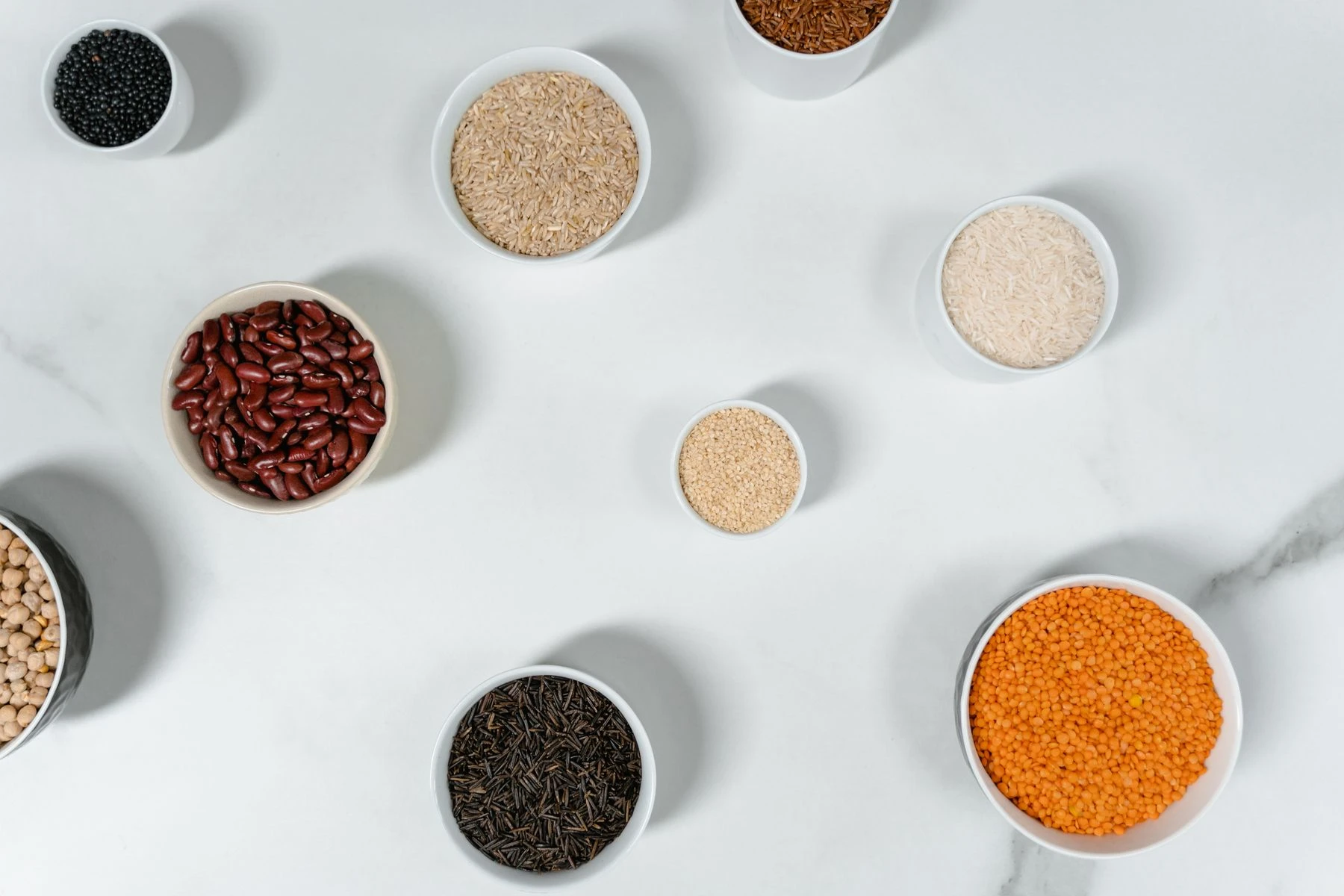
Practical examples help clarify the difference. Oats, beans, lentils, apples, and citrus contain more soluble fiber. Wheat bran, many vegetables, and whole grains contain more insoluble fiber. Many foods contain a mix, so the goal is not perfect separation but a balanced intake across the week.
Soluble fiber often affects stool texture by increasing water retention and supporting fermentation by gut bacteria. Insoluble fiber tends to speed up intestinal transit and increase stool bulk. Together, these effects influence constipation risk, regularity, and how quickly carbohydrates are absorbed after meals.
Common Fiber Mistakes
A frequent mistake is focusing on fiber grams without considering fiber type. Two people can both eat 25 g of fiber per day, yet one may rely heavily on bran while the other eats more oats, beans, and fruit. The gut response can differ because soluble fiber and insoluble fiber interact with water and microbes in different ways.
Another common issue is increasing fiber too quickly. When fiber intake rises rapidly, fermentation and gut motility changes can cause gas, bloating, or cramping. These symptoms often reflect temporary adaptation rather than harm, but they can be uncomfortable enough to stop the change.
Low fluid intake can also worsen symptoms. Insoluble fiber adds bulk, and soluble fiber holds water. If fluid intake is low, stool may become harder to pass, especially in people prone to constipation.
Some people rely on fiber supplements while skipping whole foods. Supplements can help reach a target, but whole foods add micronutrients and other compounds that affect digestion. Also, different supplements behave differently: for example, psyllium is a gel-forming soluble fiber, while wheat dextrin is more fermentable.
Finally, people sometimes treat fiber as a single lever for every digestive problem. Fiber can improve stool regularity for many people, but it can also aggravate symptoms in some conditions, such as active inflammatory bowel disease flares or severe bowel narrowing. In those situations, fiber planning should be individualized with a clinician.
How To Choose Fiber Sources
Match Fiber Type To Goals
Choose soluble fiber sources when the goal is stool consistency and post-meal carbohydrate moderation. Soluble fiber slows gastric emptying and can reduce the rate at which glucose rises after meals. Foods with soluble fiber include oats, barley, beans, lentils, chia, flaxseed, apples, pears, and citrus.
Choose more insoluble fiber sources when the goal is stool bulk and regular transit. Insoluble fiber is common in wheat bran, many vegetables, and whole grains. A practical approach is to include one insoluble-rich item at most meals, such as a salad, roasted vegetables, or a whole grain side.
In real meals, this often looks like combining both types: for example, oatmeal topped with berries and ground flax (soluble) plus a side of vegetables at lunch (insoluble). Because many foods contain mixed fiber, you do not need to track every gram by type to get meaningful effects.
Use Gradual Increases And Fluids
Increase fiber gradually over 1 to 2 weeks to reduce gas and bloating. A common pattern is to add about 3 to 5 g of fiber per day every few days rather than making a large jump. This gives gut microbes time to adapt to increased fermentation.
Pair the increase with adequate fluids. Water needs vary by body size, climate, and activity, but a practical rule is to drink regularly through the day and notice whether stool becomes harder when fiber rises. If constipation worsens as fiber increases, the first adjustments are usually slower ramp-up and improved hydration.
If you use a supplement, start with the lowest effective dose on the label and reassess after several days. Gel-forming soluble fibers like psyllium often cause fewer abrupt changes than highly fermentable fibers for some people, but individual responses vary.
Plan Meals With Measurable Targets
Dietary fiber targets are often expressed as grams per day. In the United States, the Dietary Guidelines for Americans recommend about 14 g of fiber per 1,000 calories consumed, which typically lands around 25 g per day for women and 38 g per day for men, depending on calorie needs. Many people fall short, so a realistic first step is to add 5 g per day and reassess tolerance.
To plan, use a simple weekly structure. Aim for at least two servings of legumes per week, one or two servings of oats or barley, and several servings of vegetables. Add fruit with soluble fiber when you can, such as apples or citrus, rather than relying only on fruit juice, which lacks fiber.
When you want a quick check, look at nutrition labels for total fiber per serving. If a meal has 2 to 4 g, stacking two or three fiber-containing items can reach 8 to 12 g without extreme changes.
Consider Supplement Options Carefully
Supplements can help when food choices are limited, but they do not all act the same way. Psyllium is a soluble, gel-forming fiber that can improve stool consistency and may help with cholesterol in some people. Wheat dextrin is more fermentable and may increase stool frequency for some. Inulin and similar fibers can increase gas in sensitive individuals.
Timing matters for comfort. Some people tolerate fiber better when taken with meals rather than on an empty stomach. If you take medications, separate fiber supplements from medication dosing by a few hours because fiber can affect absorption for some drugs.
People with swallowing difficulties should avoid large dry fiber loads and follow product instructions. If you have a history of bowel obstruction or significant bowel narrowing, discuss fiber changes with a clinician before increasing intake.
Case Examples For Real Life
Example 1: Irregular Stools
A 42-year-old person reports infrequent, hard stools and relies on white bread and low-vegetable meals. They start by adding insoluble bulk through vegetables at lunch and dinner, then add soluble fiber by switching breakfast from refined cereal to oatmeal with chia. They increase fiber gradually over 10 days and drink more fluids with meals.
After the adjustment period, stool becomes softer and easier to pass, with fewer days of skipping. The change is consistent with how insoluble fiber increases stool bulk and how soluble fiber improves water retention in stool. The person still monitors symptoms because rapid increases initially caused gas.
Example 2: After-Meal Energy Swings
A 35-year-old person notices a strong dip in energy after carbohydrate-heavy meals. They add soluble fiber by including beans or lentils at lunch and choosing fruit with intact fiber at snacks. They also replace some refined grains with whole grains to raise insoluble fiber intake.
Over several weeks, they report steadier energy and fewer cravings after meals. This pattern fits the mechanism where soluble fiber can slow carbohydrate absorption and fermentation products can influence gut hormone signaling. The person keeps portions reasonable because very large fiber servings can cause bloating.
Soluble Vs Insoluble Checklist
| Goal | Fiber Type To Emphasize | Food Examples | What To Watch |
|---|---|---|---|
| More consistent stool | Soluble fiber | Oats, beans, lentils, apples, citrus, chia | Gas or bloating during ramp-up; adjust pace |
| Regular transit | Insoluble fiber | Wheat bran, vegetables, whole grains | Hard stool if fluids are low |
| Steadier post-meal glucose | Soluble fiber | Oats, barley, legumes, fruit with skin | Large servings can cause GI discomfort |
| Balanced daily intake | Both types | Legumes plus vegetables; whole grains plus fruit | Aim for gradual increases rather than jumps |
Step-by-step checklist for a safe start: choose one soluble fiber addition (oats or beans) and one insoluble addition (vegetables or whole grains), increase portions gradually over 7 to 14 days, drink fluids consistently, and reassess symptoms after each change. If you experience worsening pain, vomiting, or signs of bowel obstruction, stop self-adjustments and seek medical advice.
Common Mistakes To Avoid
Skipping fiber because of gas is a common pattern. Gas often improves after gut microbes adapt, but the pace matters. Reducing the dose temporarily and increasing more slowly can help.
Relying on fruit juice instead of whole fruit reduces fiber intake without removing sugar. Whole fruit provides intact soluble fiber and other plant compounds that juice lacks.
Choosing only bran products can overshoot insoluble fiber without enough soluble fiber. That pattern may increase bulk but not improve stool consistency for everyone.
Ignoring medication timing can cause problems. Some fiber supplements can bind certain medications and reduce absorption, so separation by a few hours is a practical precaution.
Assuming that “more is better” can backfire. Very high fiber intake can cause persistent bloating or diarrhea in some people, especially when fluid intake is low or when fiber is added too quickly.
FAQ
How much fiber should I aim for?
A common target is about 14 g of fiber per 1,000 calories, which often translates to roughly 25 g per day for women and 38 g per day for men in the U.S. If you are far below that, increase gradually and reassess tolerance.
Which fiber type helps constipation most?
Insoluble fiber can increase stool bulk and support transit, while soluble fiber can improve stool consistency by holding water. Many people benefit from a mix, and the best choice depends on whether stool is hard, infrequent, or both.
Can soluble fiber cause gas?
Yes. Soluble fibers are more fermentable, so gut bacteria may produce gas during adaptation. Symptoms often improve when intake increases gradually and fluids are adequate.
Do fiber supplements work the same as food?
They can help, but they are not identical to food. Supplements contain specific fiber types and doses, while whole foods include additional nutrients and mixed fibers. Tolerance and effects can differ by product and by person.
When should I avoid increasing fiber on my own?
If you have symptoms suggesting bowel obstruction, such as severe abdominal pain with vomiting or inability to pass stool or gas, seek urgent medical advice. People with active inflammatory bowel disease flares or known bowel narrowing should discuss fiber changes with a clinician.
Author's Insight
Soluble and insoluble fiber affect digestion through different physical and microbial pathways. Soluble fiber forms gels and is fermented more readily, which can influence stool texture and post-meal carbohydrate handling. Insoluble fiber adds bulk and tends to increase transit speed, which can help with regularity. Most practical plans work best when they combine both types, increase gradually, and track symptoms rather than chasing a single fiber source.
Key Takeaways
- Soluble fiber (oats, beans, fruit) tends to improve stool consistency and can moderate post-meal glucose rise.
- Insoluble fiber (vegetables, wheat bran, whole grains) tends to add bulk and support regular transit.
- Increase fiber gradually over 1 to 2 weeks and drink enough fluids to reduce bloating and constipation.
- Use food first when possible, and treat supplements as specific fiber products with different effects.
- If symptoms worsen sharply or suggest obstruction, stop self-adjustments and seek medical care.