Heme Vs Nonheme Iron
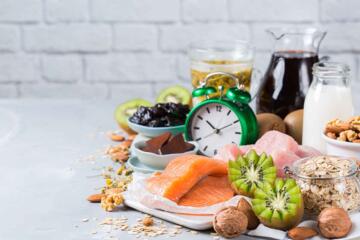
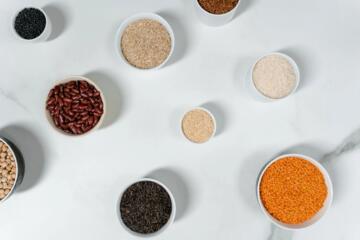
Iron in food comes in two main forms: heme iron from animal tissues and nonheme iron from plant foods and many fortified products. Heme iron is found in hemoglobin and myoglobin, so it is present in foods such as beef, lamb, pork, and dark meat poultry. Nonheme iron appears in beans, lentils, tofu, spinach, nuts, seeds, and iron-fortified cereals.
Absorption is not the same for both forms. Heme iron tends to be absorbed more efficiently and is less affected by many meal components. Nonheme iron absorption varies widely because it depends on what else is eaten in the same meal, including vitamin C intake and the presence of inhibitors such as phytates and polyphenols.
Practical examples help clarify the difference. A meal with beef or liver often raises iron status more reliably than a meal with the same “iron amount” from plant sources alone. A bowl of lentils can still be effective, but the meal composition matters: adding vitamin C rich foods and reducing inhibitors can change how much iron is absorbed.
Common Absorption Mistakes
Many people focus on the iron content listed on a food label and assume higher numbers translate into higher absorption. That assumption breaks down for nonheme iron because absorption can drop substantially depending on meal context. Two meals with equal grams of nonheme iron can lead to different absorbed iron amounts.
Another frequent issue is pairing iron-rich foods with strong inhibitors. Phytates in whole grains, legumes, and some seeds can bind iron in the gut and reduce uptake. Polyphenols in tea, coffee, cocoa, and some herbs can also inhibit absorption. Calcium from dairy or supplements can interfere with nonheme iron absorption when consumed at the same time.
Some people also underestimate how quickly inhibitors and enhancers act. Iron absorption is influenced by what is present during digestion and in the small intestine, so timing matters. Drinking tea with a meal can reduce nonheme iron absorption from that meal, even if the person eats iron-rich foods.
Biology explains why the forms behave differently. Heme iron is absorbed through a pathway that involves intact heme, which then releases iron inside intestinal cells. Nonheme iron must be converted into a form that can be transported across the gut lining. That conversion is sensitive to stomach acidity and to dietary compounds that either promote or block conversion.
Real-world consequences show up as persistent low ferritin, iron deficiency anemia, or difficulty maintaining iron stores. People with higher iron needs, such as those with heavy menstrual bleeding or pregnancy, may notice symptoms sooner when absorption is consistently low. Endurance athletes can also be affected because iron losses can increase with training and gastrointestinal factors, making meal-level absorption strategies more relevant.
Meal Strategies For Better Uptake
Use Vitamin C With Nonheme
Vitamin C can enhance nonheme iron absorption by helping convert iron into a more absorbable form. In practice, pairing beans, lentils, tofu, or fortified cereal with vitamin C rich foods can improve absorption compared with eating the same iron source alone.
What it looks like: add citrus fruit to breakfast cereal, include bell peppers or tomatoes in a bean-based meal, or serve lentils with a side of kiwi or strawberries. A common approach is to include at least one vitamin C rich item in the same meal rather than relying on vitamin C taken at a different time.
Relevant tools: meal planning using “pairing” rather than “portion size” alone. If you track intake, note whether vitamin C foods are eaten at the same time as nonheme iron sources.
Separate Tea, Coffee, And Calcium
Tea and coffee can reduce nonheme iron absorption due to polyphenols. Calcium can interfere with nonheme iron uptake when consumed together. Separating these items from iron-containing meals can reduce the inhibitory effect.
What it looks like: drink tea or coffee between meals instead of with breakfast or lunch, and avoid taking calcium supplements at the same time as iron-rich meals. If dairy is part of the meal, consider shifting it to a different time window when nonheme iron is the main source.
Realistic numbers: a practical separation window is often about 1 to 2 hours, though individual responses vary. If you take calcium for medical reasons, coordinate timing with a clinician or pharmacist rather than stopping it.
Choose Heme Sources When Needed
Heme iron from meat, fish, and poultry generally absorbs more efficiently than nonheme iron and is less sensitive to inhibitors. This does not mean nonheme iron is ineffective, but heme sources can be a more predictable option when iron needs are higher or when absorption is repeatedly challenged.
What it looks like: include a serving of beef, lamb, or dark meat poultry in meals when dietary patterns allow. For people who eat little or no animal foods, fortified foods and careful nonheme pairing become more important.
Relevant tools: rotating heme sources across the week and pairing them with plant foods for overall nutrient balance. If you are managing other dietary goals, portion size and total diet quality still matter.
Reduce Phytates Without Overcorrecting
Phytates can bind nonheme iron and reduce absorption. Cooking methods and food preparation can lower phytate levels. Soaking, sprouting, and fermenting legumes and grains can reduce phytates, which may improve iron availability.
What it looks like: use soaked or sprouted lentils when feasible, choose fermented options such as certain sourdough breads, and cook legumes thoroughly. These steps can improve mineral bioavailability, though the degree of improvement varies by food and preparation method.
Realistic outcomes: preparation changes often help, but they do not guarantee high absorption if inhibitors remain present in the same meal. Combining preparation with vitamin C pairing tends to produce the most consistent improvement.
Case Examples
Example 1: A 32-year-old who eats a plant-based breakfast has low ferritin on labs. Their typical meal includes iron-fortified cereal with milk and tea. After switching to cereal with fruit high in vitamin C and moving tea to later in the morning, they report better tolerance of iron-rich meals and improved iron indices on follow-up. The change targets nonheme iron absorption by reducing calcium and polyphenol timing effects.
Example 2: A 45-year-old who eats beans for lunch often includes a large serving of lentils with rice, followed by coffee. They also take calcium supplements in the morning. A meal adjustment separates coffee from lunch and shifts calcium to a different time window. The person continues beans and adds a vitamin C rich side such as tomatoes or citrus. The approach focuses on meal timing and enhancers for nonheme iron rather than increasing iron portions alone.