How Home Cooking Shifts Intake
Cooking at home changes intake because it moves decision-making from the label and the restaurant menu to the ingredient list, the cooking method, and the portion you plate. When you cook, you can choose whether a meal is built around vegetables, whole grains, beans, or refined starches, and you can decide how much salt, oil, and sweet ingredients go into the final dish.
For example, a bowl of pasta can become a higher-fiber meal when you add lentils or chickpeas, increase vegetables, and use a smaller portion of pasta. A “quick dinner” can also change sodium intake when you replace a seasoning packet or jarred sauce with measured salt and herbs. Even when two meals look similar, the ingredient ratios often differ enough to change calories, sodium, and the balance of fats and carbohydrates.
Home cooking also affects how quickly you eat. Cooking often slows the meal start compared with grabbing ready-to-eat foods, and it can reduce mindless snacking that happens when food is already portioned and easy to access. That timing effect matters because appetite regulation responds to meal size, texture, and satiety signals over the course of eating.
Common Mistakes And Why They Matter
Many people assume that “cooking at home” automatically means healthier intake, but the ingredient choices and portioning still drive outcomes. A home-cooked meal can be high in sodium if you rely on processed components like bacon, cured meats, bouillon cubes, or frequent use of salty sauces. It can also be high in calories if recipes include large amounts of oil, cheese, or refined flour even when vegetables are present.
Another frequent issue is underestimating hidden sodium and added sugars. Jarred pasta sauce, salad dressings, bread, and breakfast cereals can contain substantial sodium and sugar even when they seem like “pantry staples.” When you cook, you can reduce these inputs by selecting lower-sodium products and measuring sweeteners instead of adding them by habit.
Portion drift is also common. People often cook for one but eat from the pot, or they “taste” repeatedly during cooking. Those small additions can add up, especially with calorie-dense ingredients like oil, nuts, cheese, and creamy sauces. Energy intake rises when portion sizes increase, even if the meal feels “homemade.”
Biologically, the body responds to the mix of macronutrients and fiber. Higher fiber foods tend to slow gastric emptying and increase satiety, which can reduce later hunger. Lower fiber meals digest faster and can lead to earlier appetite return. Sodium influences fluid balance and blood pressure regulation in susceptible people, and added sugars can raise total calorie intake without improving satiety when they replace more filling foods.
Real-world consequences show up in patterns: people may feel “hungry again” soon after meals, struggle with consistent calorie control, or notice blood pressure readings that rise when sodium intake increases. These outcomes are not guaranteed, but the mechanisms connect ingredient choices to appetite, glycemic response, and cardiovascular risk factors.
Practical Ways To Cook Smarter
Measure Salt And Sweeteners
Use a salt measure or a consistent “pinch” method so sodium stays predictable. Many home cooks add salt gradually, but without measurement the final amount can exceed what you intended, especially with reductions, sauces, and seasoning blends. For sweeteners, measure instead of pouring by eye; added sugar often accumulates across multiple steps like marinades, sauces, and finishing glazes.
In practice, start with a lower-sodium baseline and adjust after tasting. If a recipe calls for a salty ingredient, consider using half the amount and adding acidity (lemon juice or vinegar) or heat (chili) to improve flavor without matching sodium. A realistic outcome is that sodium intake can drop meaningfully when you replace salty components with measured seasoning and acid, though the size of the change depends on the starting point.
Tools include a kitchen scale for salt portions, measuring spoons, and a “flavor ladder” approach: salt first only after tasting, then acid, then herbs and spices.
Build Meals Around Fiber
Choose a structure that makes fiber harder to miss: a base of vegetables, beans, lentils, or whole grains, then a protein, then a smaller portion of refined starch if needed. Fiber increases satiety and supports more favorable post-meal glucose responses for many people, partly by slowing digestion and increasing stool bulk.
In practice, aim for at least one fiber-rich component in every meal. Examples include adding beans to soups, using half vegetables and half pasta, or swapping white rice for a mixed grain blend. A realistic target for many adults is roughly 25–38 grams of fiber per day depending on body size and dietary pattern, but individual needs vary; the key is gradual increases to reduce gastrointestinal discomfort.
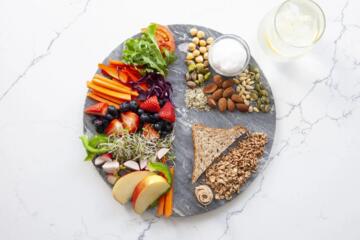
Tools include batch cooking beans, keeping frozen vegetables on hand, and using a “half-plate” method: half the plate non-starchy vegetables, one quarter protein, one quarter starch or whole grains.
Control Oil And Portion Sizes
Oil is calorie-dense, and recipes often include more than people realize. When you cook, you can reduce oil by using nonstick cookware, adding moisture through vegetables or broth, and using measured amounts instead of free-pouring. Portion control also matters: eating from a pan or bowl increases the chance of larger servings.
In practice, measure oil for the first few meals, then repeat the same amount once you learn the “look” of a tablespoon. For portioning, plate the meal and store leftovers immediately. A realistic outcome is that calorie intake can drop when oil and portions are reduced without removing protein and fiber, though the magnitude depends on the original recipe and serving size.
Tools include a tablespoon measure, a food scale for starch portions, and pre-portioned containers for leftovers.
Choose Cooking Methods That Fit Goals
Cooking method changes nutrient retention and the balance of fats and carbohydrates. Steaming, roasting, and sautéing with controlled oil can preserve vegetables and reduce the need for heavy sauces. Deep-frying and frequent use of creamy sauces can raise calories and saturated fat, especially when portion sizes are large.
In practice, match method to ingredient: roast vegetables at high heat for flavor, simmer soups for texture, and stir-fry briefly with measured oil. If a recipe relies on a thick sauce, consider thinning with broth or using yogurt-based sauces instead of cream, while still tasting for salt and acidity balance.
Tools include a timer to avoid overcooking, a thermometer for meats when needed, and a “sauce on the side” habit so you control how much you add.
Educational Case Examples
Scenario 1: A person eats lunch from packaged meals five days per week. They switch to cooking a simple lunch twice per week and using leftovers for the other days. They measure salt in sauces and choose beans or lentils in place of refined starches. Over several weeks, they report fewer “snack cravings” late in the afternoon and lower sodium readings at follow-up, though the exact change depends on how much sodium remains in other foods.
Scenario 2: Another person cooks dinner at home but uses large amounts of oil and cheese to “make it taste right.” They keep the same recipes but measure oil for two weeks and reduce it by about one-third, then add more vegetables and herbs for flavor. They notice that portions feel more manageable and weight trends stabilize, but they also experience that reducing oil changes texture, so they adjust cooking time and add moisture to prevent dryness.
Home Cooking Checklist
| Decision Point | What To Look For | If You Want Less Sodium | If You Want Better Satiety |
|---|---|---|---|
| Base ingredients | Vegetables, beans, whole grains, lean proteins | Choose low-sodium canned beans and sauces; avoid bouillon cubes | Use beans/lentils or whole grains; add non-starchy vegetables |
| Flavor inputs | Salt, sweeteners, sauces, dressings | Measure salt; use acid and spices to replace some salt | Limit sweet glazes; keep sauces thinner and portion-controlled |
| Cooking fat | Oil, butter, cheese | Avoid salty cheeses and cured toppings | Measure oil; pair with fiber to keep meals filling |
| Portion control | How much you plate and eat | Portion sauces separately; avoid eating directly from containers | Plate first; include a fiber-rich component on the plate |
Step-by-step quick check:
- Pick one fiber-rich base (beans, lentils, vegetables, or whole grains).
- Measure salt for the first attempt; adjust after tasting.
- Measure oil or use a measured “spray” method.
- Plate the meal; store leftovers immediately.
- Check the next meal: if hunger returns quickly, increase fiber or reduce added sugar and refined starch.
Common Mistakes To Avoid
Skipping labels entirely can backfire when you cook with packaged ingredients. A “homemade” dish can still contain high sodium if you use processed broth, seasoning blends, or pre-seasoned meats. Checking sodium and added sugar on key ingredients helps you target the biggest contributors.
Relying on taste alone for salt can lead to gradual over-salting. Salt tolerance increases when sodium intake is consistently high, so the same amount may taste “normal” even when it exceeds your goal. Measuring for a short period helps reset your internal estimate.
Overcorrecting with “diet foods” can also distort intake. Some low-calorie products are low in calories but still low in fiber, which can reduce satiety. If you replace a balanced meal with low-fiber options, hunger may return sooner.
Cooking for convenience can reduce variety. Eating the same few recipes repeatedly can make it harder to meet fiber targets and can increase reliance on the same sauces and salty ingredients. Rotating protein sources and plant components improves nutrient variety.
Finally, ignoring leftovers can increase intake unintentionally. If leftovers are stored in large containers and eaten directly, portions can drift upward. Portioning leftovers into single servings supports consistent intake.
FAQ
Does cooking at home always reduce calories?
Not automatically. Calories depend on ingredients and portion sizes. A home-cooked meal can be calorie-dense if it uses large amounts of oil, cheese, or refined starches.
How does home cooking affect sodium intake?
Home cooking often reduces sodium when you limit processed components and measure salt. Sodium can remain high if you use salty sauces, cured meats, bouillon, or pre-seasoned products.
Can home cooking improve fiber intake?
Yes, when meals include vegetables, beans, lentils, and whole grains. Fiber intake changes with ingredient selection more than with the cooking act itself.
Why do some people feel hungrier after home meals?
Hunger can return sooner when meals are low in fiber, high in refined starch, or high in added sugar. Portion size and meal timing also influence appetite signals.
What is the fastest way to start cooking differently?
Start with one change per meal: add a measured amount of vegetables or beans, measure oil, or choose a lower-sodium sauce. Small, repeatable adjustments tend to be easier than replacing everything at once.
Author's Insight
Home cooking changes intake through ingredient control, portioning, and cooking method, which directly affect sodium, added sugars, fiber, and fat quantity. The biggest differences usually come from reducing processed components and measuring high-impact ingredients like salt and oil. Fiber and protein distribution across the meal often influences satiety more than cooking style alone. People who cook at home still benefit from checking key packaged ingredients and watching portions, since “homemade” does not automatically mean lower sodium or higher fiber.
Key Takeaways
- Cooking at home shifts intake because you control ingredients, salt, oil, and portion sizes.
- “Homemade” can still be high in sodium or calories if you rely on salty sauces, processed foods, or large amounts of oil and cheese.
- Meals built around vegetables and beans tend to increase fiber and improve satiety for many people.
- Measuring salt and oil for a short period helps you learn realistic amounts and reduces portion drift.
- Use a simple checklist to decide what to change in each recipe rather than assuming cooking alone fixes nutrition.