Nutritional Logistics
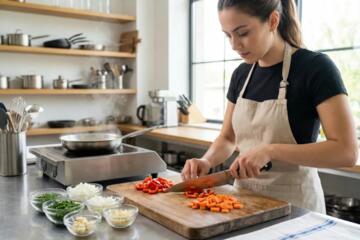
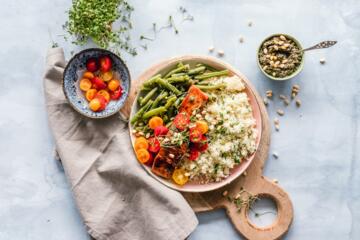
Meal prepping is often misunderstood as spending an entire Sunday over a hot stove. In a professional context, meal prep should be viewed as "logistics management" rather than "cooking." It is about reducing the number of decisions you have to make during a high-stakes Tuesday afternoon when your willpower is at its lowest. Efficient prepping utilizes "component cooking"—preparing versatile bases like roasted Mediterranean vegetables or sous-vide proteins—that can be transformed into multiple distinct flavor profiles in seconds.
Practically, this looks like a CEO using a Combisteamer or an Instant Pot to batch-cook six portions of steel-cut oats while they handle morning emails. A study by the American Journal of Preventive Medicine indicates that people who spend more time on home food preparation have higher intakes of vegetables, salads, and fruits. Furthermore, data shows that those who prep meals at home save an average of $2,500 annually compared to those relying on daily UberEats or DoorDash orders during office hours.
Dietary Decision Fatigue
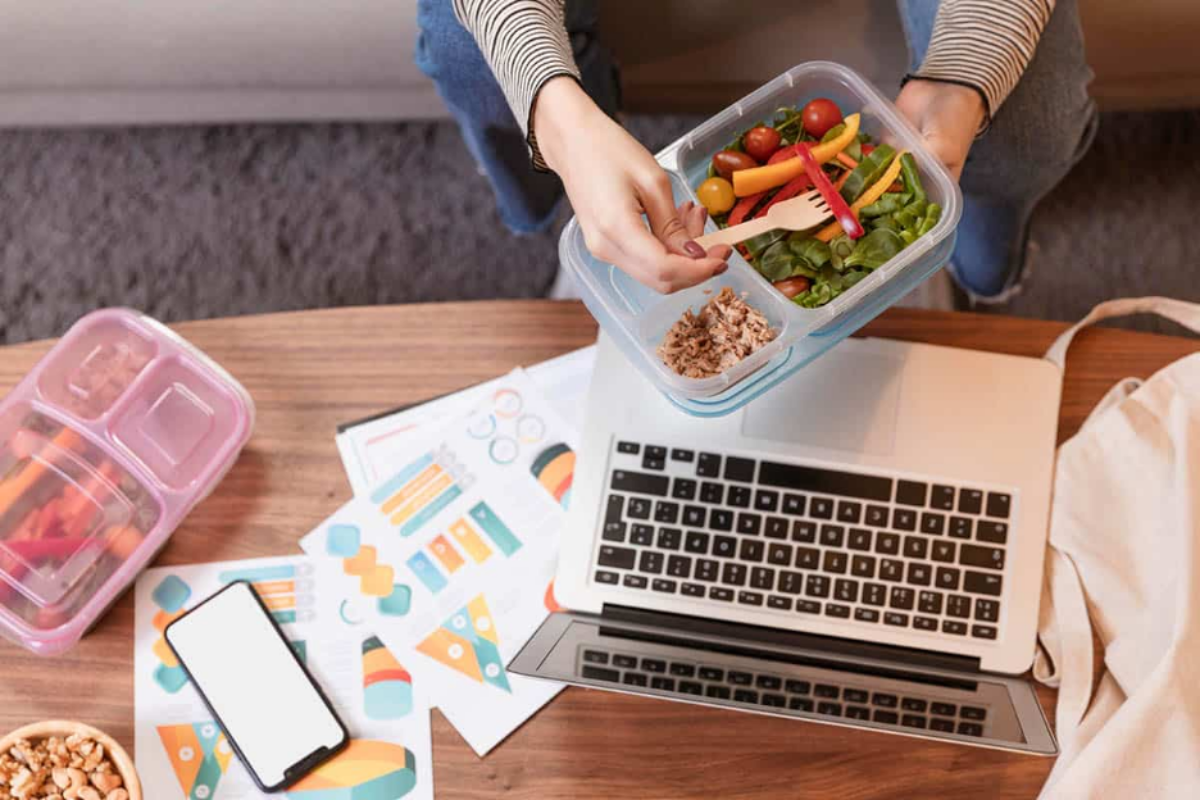
Most professionals fail at nutrition because they rely on "reactive eating." When you haven't planned your lunch, your brain defaults to the path of least resistance, which is usually high-glycemic carbohydrates that lead to the 3:00 PM insulin crash. This "post-lunch slump" is estimated to cost companies billions in lost productivity. The issue isn't just the calories; it's the cognitive load of deciding what to eat 21 times a week.
When you skip prepping, you are more likely to fall victim to "Health Halo" marketing—buying expensive salads from chains like Sweetgreen that actually contain over 800 calories due to heavy dressings. Real-world consequences include elevated cortisol levels from erratic eating schedules and a decline in executive function. A chaotic diet mirrors a chaotic workflow; without a system, the highest-priority task (your health) gets pushed aside by urgent but less important emails.
Strategic Solutions
The "Power Hour" Batch Cooking Method
The goal is to maximize output per minute of labor. Instead of making one recipe, you cook ingredients. Use a high-capacity air fryer, like the Ninja Foodi Dual Zone, to roast two different vegetables simultaneously. While the air fryer runs, utilize a rice cooker for a complex grain (quinoa or farro). In 60 minutes, you can produce enough components for 10 meals. This "assembly line" approach reduces cleanup time by 70% compared to daily cooking.
Leveraging Sous-Vide for Protein Precision
Precision cooking tools like the Anova Precision Cooker are the ultimate hacks for busy professionals. You can season five chicken breasts or salmon fillets, vacuum seal them, and cook them to perfection with zero supervision. Proteins stay moist for 5 days in the fridge and never taste "reheated." This eliminates the dry, rubbery texture that makes most meal prepping unappealing after day two.
Automated Grocery Intelligence
Stop wandering through grocery aisles. Use Instacart or Amazon Fresh to create "Buy Again" lists. This creates a closed-loop system where your core nutritional staples arrive at your door every Sunday morning without you clicking a button. Research suggests that online grocery shopping reduces impulse purchases of processed snacks by approximately 23%, directly impacting both your waistline and your budget.
The "Jar Method" for Volumetric Satiety
Layering salads in wide-mouth Mason jars isn't just an Instagram trend; it’s a preservation tactic. By putting the dressing at the bottom, followed by hearty vegetables (carrots, chickpeas), and leafy greens at the very top, you prevent oxidation and wilting. This allows you to prep five days of lunches on Sunday that remain crisp until Friday. It’s the most efficient way to ensure you get your 25g of daily fiber during a back-to-back meeting schedule.
Supplementing with Medical-Grade Meal Replacements
On days when a 30-minute lunch break is impossible, do not reach for a granola bar. Keep high-quality, low-glycemic shakes like Huel Black Edition or Soylent in your office drawer. These provide a controlled 400-calorie macro-profile (high protein, slow carbs) that prevents the glucose spikes associated with vending machine snacks. It’s an insurance policy for your metabolism when the boardroom becomes a bunker.
Efficiency in Action
Case Study 1: The Legal Consultant
A senior associate at a "Magic Circle" law firm was working 80-hour weeks and relying on late-night office catering. Weight gain and brain fog were affecting billable performance. We implemented a "Sunday 90-Minute Sprint": batch-cooking 2kg of lean protein and using Factor75 pre-made healthy meals for two nights a week as a backup. Result: 8kg weight loss in 12 weeks and a 15% increase in self-reported afternoon focus levels.
Case Study 2: The Tech Founder
A founder of a Series-B startup struggled with "skipping meals" and then binge-eating at 11 PM. We shifted him to a "Liquid Lunch" strategy using nutritionally complete shakes during work hours and a pre-prepped "Protein + Veg" bowl for dinner. By removing the need to choose lunch, he saved 5 hours of "decision time" per week. His fasting blood glucose levels stabilized from 105 mg/dL to 88 mg/dL within two months.
Professional Tool Guide
| Tool Category | Top Recommendation | Primary Benefit for Professionals | Time Saved per Week |
|---|---|---|---|
| Precision Cooking | Anova Nano Sous-Vide |
Set-and-forget protein cooking; zero overcooking risk. |
45 Minutes |
| Batch Roasting | Ninja Foodi Dual Zone | Cooks two different foods at two temperatures at once. |
60 Minutes |
| High-Speed Prep | Vitamix 5200 | Creates nutrient-dense smoothies or soups in under 3 mins. |
30 Minutes |
| Delivery Logistics | CookUnity (Chef-prepared) |
High-end, pre-made meals for "zero-time" days. |
Variable |
Strategic Adjustments
One of the biggest mistakes is "Over-Prepping" perishable items. Professionals often buy a surplus of spinach or berries that rot by Wednesday. To avoid this, buy frozen organic berries and "hard" greens like kale or shredded cabbage, which have a longer shelf life. Another error is neglecting flavor. Eating bland chicken and broccoli for five days leads to "palate fatigue," causing you to abandon the system for a spicy, high-calorie takeout meal. Use high-quality, zero-calorie flavor enhancers like Truff Hot Sauce or Coconut Aminos to keep meals interesting.
Furthermore, avoid prepping meals that don't reheat well. Seafood and certain pastas become unpalatable in a microwave. Stick to stews, curries, braised meats, and hardy grains. If you must have fish, use the sous-vide method or eat it on the day of preparation. Efficiency is only valuable if the end product is actually enjoyable to eat.
FAQ
How can I prep if I travel 3 days a week?
Focus on "Travel Nutrition Packs." Portion out protein powder, nuts, and jerky into TSA-approved containers. Use apps like MyFitnessPal to pre-scout high-protein options at airport terminals before you land.
Is frozen food less healthy than fresh?
Actually, flash-frozen vegetables often retain more micronutrients than "fresh" produce that has sat in a truck for five days. For the busy professional, frozen organic vegetables are a top-tier efficiency hack.
How do I manage social business lunches?
Apply the "Protein-First" rule. Order double protein and a side of greens, skipping the bread basket. This allows you to stay social without derailing your metabolic progress.
What is the best container for reheating?
Switch to glass containers like Pyrex Ultimate. They don't leach chemicals (BPA/BPS) into your food when heated and they last for years, making them a one-time investment in your hormonal health.
I hate cooking; what is the absolute minimum I can do?
Use a "Hybrid Prep" model. Buy pre-cooked rotisserie chickens and pre-washed bagged salads. Your only "prep" is assembly, which takes 2 minutes per meal.
ROI of the Kitchen
In my years of consulting for high-output individuals, I’ve realized that the kitchen is just another department of your business. If your nutrition is "unprofitable"—meaning it costs you more energy than it gives—your career will eventually pay the price. I personally use a "Two-Tier System": I prep my base proteins on Sundays, but I keep three Factor meals in the fridge for those nights when I finish work at 10 PM. My advice is to stop aiming for "culinary perfection" and start aiming for "metabolic consistency." Consistency beats intensity every single time.
Summary
Optimizing your nutrition as a busy professional isn't about becoming a chef; it's about becoming a better architect of your environment. By implementing tools like sous-vide cooking, utilizing automated grocery deliveries, and adopting the "component prep" philosophy, you remove the friction between you and your health goals. Start by choosing one hack—like the 90-minute Sunday batch roast—and master it before adding more complexity. Your productivity, cognitive clarity, and long-term health are the direct results of the systems you put in place today.