Weekly Exercise Needs
Exercise recommendations often confuse people because they vary widely across sources. The Centers for Disease Control and Prevention (CDC) suggest 150 minutes of moderate aerobic activity weekly, combined with muscle-strengthening exercises two or more days. That number might seem abstract—so what does 150 minutes look like? For example, a brisk 30-minute walk five days a week or three 50-minute cycling sessions spread out can hit that target.
A recent study in JAMA found adults meeting these guidelines had 31% lower mortality risk over a decade. Long bouts aren’t required, either. Short sessions of 10 minutes or more add up. You can accumulate exercise in bursts while managing a tight schedule.
Common Misunderstandings
Many think they must commit to an hour-plus gym session daily to benefit. That misconception causes frustration and skips. Others believe exercise means marathon-level intensity, which leads quickly to burnout.
Neglecting strength training is another big mistake. Cardio often dominates conversation, yet strength exercises improve bone density, healthspan, and metabolic rate—factors overlooked.
People often overestimate their weekly activity or ignore the quality of movement. Walking to the mailbox isn’t the same as walking at a pace that raises heart rate noticeably. The consequences of these errors include stalled progress, injury risk, or even abandoning exercise goals entirely.
Practical Exercise Plans
Start Small and Build
Begin with manageable chunks, like walking 10 minutes three times a day. The body adapts efficiently, and all you need is consistency. Tools like a Fitbit Charge 5 or smartphone apps can track progress in real time, highlighting when you hit your weekly quota.
Incorporate Strength Training
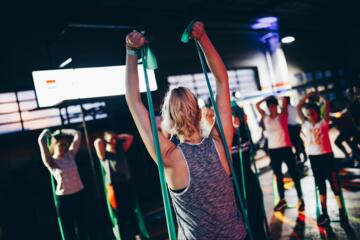
Two sessions per week with resistance bands, free weights, or bodyweight moves like push-ups and squats are effective. A 30-minute routine targeting major muscle groups improves endurance and joint health. Many gyms offer beginner classes, or services like Peloton app provide guided strength workouts.
Mix Intensity Levels
High-intensity interval training (HIIT) can compress a beneficial workout into 15-20 minutes. Studies show HIIT improves cardiovascular fitness comparably to longer moderate sessions. Use tools such as the Tabata timer app or a gym's class schedule to alternate intensities during the week.
Schedule Rest and Recovery
Overtraining is a common pitfall. Muscles rebuild and grow during rest. At least 48 hours between intense strength workouts helps. Remember, exercise stress causes adaptation but ignoring rest stalls gains.
Choose Enjoyable Activities
Exercise doesn’t mean dread. Cycling with friends, swimming, or gardening can all count. The key is movement that raises heart rate beyond 50% of your maximum for sustained periods. This fosters habit formation and reduces dropout.
Use Technology Wisely
Smart watches like Apple Watch Series 8 or Garmin Vivosmart track heart rate zones and step count, offering data-driven motivation. They remind to move and log metrics accurately—something paper journals barely replicate.
Set Realistic Goals
Start with achievable weekly targets based on your baseline fitness. For sedentary adults, even 60 minutes per week boosts health markers. Jumping straight to the recommended 150 minutes might overwhelm, setting up failure.
Prioritize Consistency Over Perfection
Missing a day or two is normal. Weekly averages matter more than daily perfection. That mindset maintains momentum.
Adapt with Age and Condition
Older adults or people with chronic illnesses may need modified plans, focusing on balance and flexibility, with careful progress monitoring by healthcare professionals.
Real-World Examples
A medium-sized tech company noticed employee stiffness and low stamina affected productivity. They introduced a workplace wellness program with mandatory 20-minute group walks thrice a week and onsite yoga. After six months, self-reported energy levels rose 40%, absenteeism dropped by 15%, and healthcare costs shrank by 10%. This outcome combined modest aerobic activity with stress relief.
Meanwhile, a 45-year-old woman with hypertension started a home routine involving brisk walking 30 minutes daily and bodyweight exercises twice weekly. Within four months, her blood pressure dropped from 144/92 to 128/80 mm Hg and she lost 10 pounds. No fancy equipment, just persistence. Anecdotal but solid proof that standard guidelines work.
Exercise Checklist
| Aspect | Target | Frequency | Tools |
|---|---|---|---|
| Aerobic | 150 min moderate | Weekly | Podometer, apps |
| Strength | 2+ sessions | Weekly | Bands, weights |
| HIIT | 15-20 min | 1-2 times | Timer app |
| Flexibility | Daily small | Daily | Yoga videos |
Errors and Fixes
Skipping warm-up and cool-down increases injury risk. A five-minute dynamic warm-up prepares muscles and raises heart rate gradually. Cooling down aids recovery and reduces cramps.
Ignoring hydration is another issue. Dehydration can blunt performance, especially during longer sessions or heat. Carry water or have it ready.
Over-reliance on machines for tracking calories burned trip up many. Most devices overestimate actual energy expenditure by 10-20%, which, frankly, most people skip adjusting for.
Failing to log routines or progress delays recognition of success and adjustment opportunities. Even a simple notebook works better than no tracking.
FAQ
How intense should weekly workouts be?
Target moderate intensity where speaking a sentence is possible but singing is hard. Heart rate between 50-70% of max suits most beginners.
Can short exercises add up to meet goals?
Yes, multiple short sessions of 10 minutes or more throughout a day count toward your total activity minutes.
Is strength training necessary every week?
Yes, twice weekly sessions improve muscle mass and metabolism, supporting overall health beyond cardio benefits.
How to avoid injury during exercise?
Warm up, cool down, increase intensity gradually, and listen to your body’s signals of pain versus challenge.
What if I have limited mobility?
Focus on seated exercises, water aerobics, or chair yoga to maintain movement within your comfort and safety limits.
Author's Insight
In my years coaching clients, I’ve seen that rigid exercise targets often intimidate novices. Most benefits come from moving regularly and enjoying it, not punishment-level routines. Tracking progress without obsession about perfect numbers works best. I’ve used varied tools from Fitbit models to manual logs, and consistency beats sophistication every time. Remember, rest days and adaptation are part of real success.
Summary
Weekly exercise should include around 150 minutes of moderate activity plus two strength sessions. Break it down into manageable bouts, combine intensity types, and integrate rest. Use simple tracking tools and focus on enjoyable movement. Avoid all-or-nothing mistakes by starting small, increasing steadily, and listening to your body. Most importantly, keep it regular.