Impact of Screens on Sleep
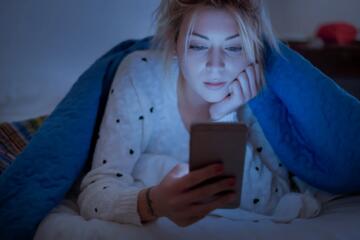
Using screens within an hour before bedtime interferes with the ability to fall asleep quickly. Devices emit blue light, which mimics daylight and suppresses melatonin, the hormone that signals your body to prepare for rest. Studies show exposure to as little as 30 minutes of screen light can delay sleep onset by up to 30 minutes. For example, watching TV or scrolling on a smartphone around 10 p.m. can shift your natural sleep schedule later, making morning wake-ups tougher.
Experts categorize this as circadian rhythm disruption, essentially confusing your brain about day and night. The Netflix binge or late-night Instagram scroll often feels harmless but triggers physical effects that impact next-day alertness. With average adults logging nearly 4 hours daily on screens, this effect accumulates quickly. Even e-readers, when backlit, provoke similar issues.
Why Screen Time Wrecks Sleep
Many underestimate how deeply their evening screen habits wreck sleep. It’s not just about feeling tired. The problem lies in lowered REM sleep, the stage linked to memory, learning, and mood regulation. Less REM correlates with poorer cognitive function and mood swings. In practical terms, someone stressed at work scrolling endlessly might believe they’re unwinding, but their sleep efficiency plummets.
Ignoring this leads to chronic fatigue and heightened stress hormones. For instance, a 2017 study reported participants using tablets before bed had a 50% harder time staying asleep uninterrupted. And guess what? That includes falling back asleep after bathroom breaks or noises. Nights become fragmented.
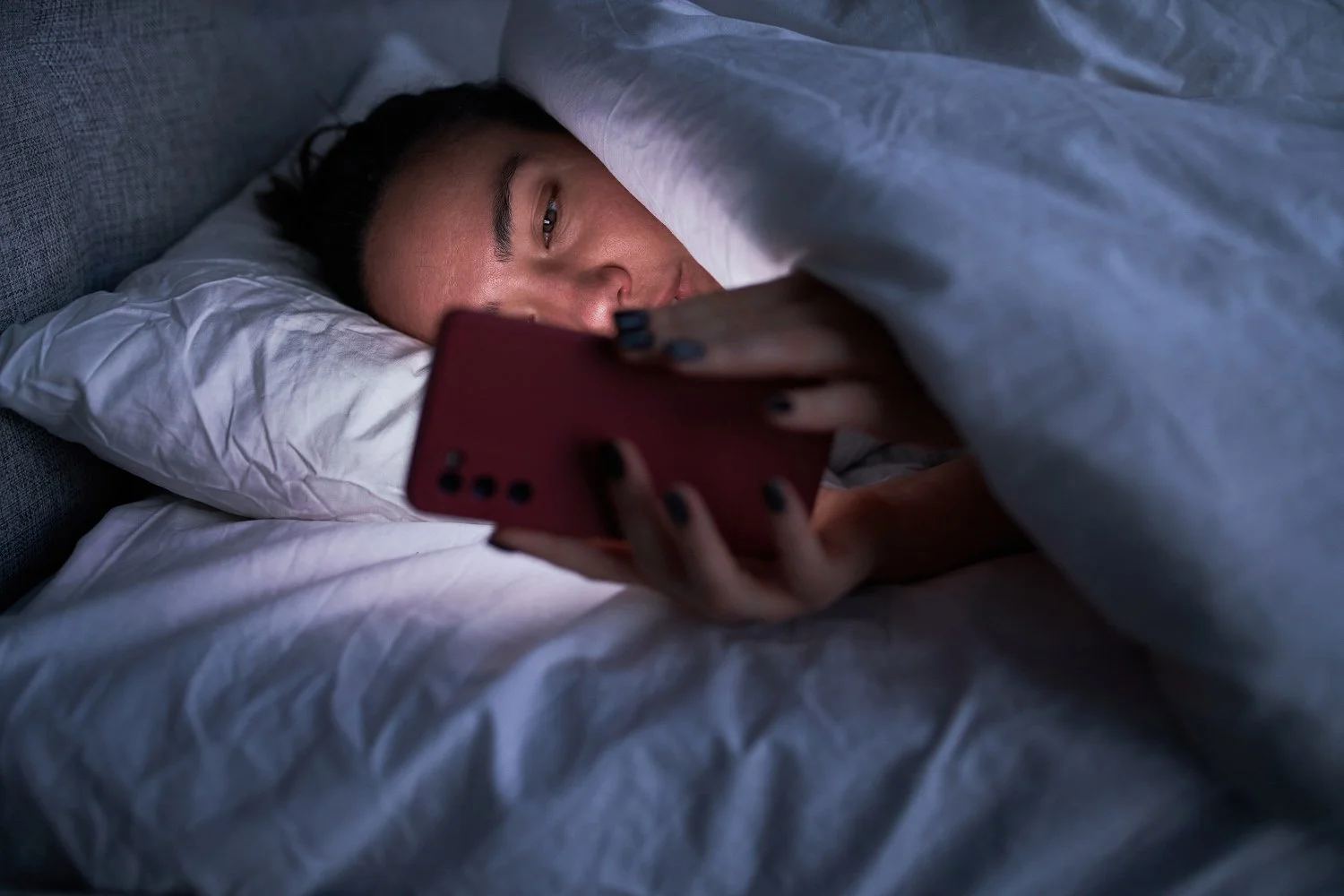
Accurate measurement shows many don't recognize that just 10 minutes on social media in bed can reduce sleep quality. The consequences? Difficulty concentrating at work, slower reaction times, and increased risk for serious conditions like hypertension or diabetes due to prolonged poor sleep.
How to Fix Screen Issues
Limit Use Before Bed
Stop any bright screens 60 minutes before bedtime. This simple boundary helps your brain start producing melatonin. Try reading a physical book or listening to a podcast instead. Apps like Forest (version 4.6.2) support building this habit by rewarding focused non-screen time.
Use Blue Light Filters
Activate built-in ""Night Mode"" or blue light reductions on devices. Apple’s True Tone display and Android’s nightly blue filter lower harmful wavelengths. Their effectiveness varies but can attenuate blue light by up to 60%, easing melatonin repression. Do note, it’s not a perfect fix.
Switch to Dim, Warm Lighting
In your environment, use bulbs labeled 2700K or below to encourage melatonin release. Philips Hue bulbs with customizable settings help dim lights gradually. This mimics sunset, calming the nervous system and easing entry to sleep.
Create a Sleep Routine
Consistency helps your circadian rhythm stay stable. Go to bed and wake up at the same time daily. If screens are part of the wind-down, incorporate time limits and lower brightness. The more rigid the schedule, the better your brain anticipates sleep.
Switch to Audio Media
Podcasts or audiobooks let you avoid screen glare while relaxing. Audible’s sleep-friendly stories or Calm app’s guided meditations reduce active visual stimulation at night. Quiet sound, without light, facilitates falling asleep faster.
Keep Devices Out of Bedroom
Leaving phones and tablets outside your sleeping area removes temptation. A basic alarm clock stops needing your phone nearby. The less digital interference, the more natural your sleep feels.
Monitor Sleep Quality
Use apps like Sleep Cycle or hardware like Fitbit Charge 5 to track sleep disruptions linked to screen use. Real data shows how your habits translate into restfulness or weakness the next day.
Try Melatonin Supplements
Short-term melatonin pills can correct circadian misalignment induced by screen light, but doses must remain low—0.5 to 3 mg is usually enough. Overuse risks shifting your internal clock unfavorably.
Optimize Evening Activities
Engage in calming, non-screen tasks like journaling, gentle yoga, or stretching. These relax muscles and mind without stimulating sights or sounds that delay sleep signals.
Real-World Success Stories
A small tech startup with 30 employees faced productivity drops traced to poor sleep. Staff confessed to checking screens right before bed. The company mandated screen curfews an hour pre-sleep on all devices. After two months, day-shift alertness scores improved by 22%, with fewer sick days.
Meanwhile, a freelancer using timed blue light filters and switching to audiobooks before bed reported falling asleep 40% faster than the prior month. The sleep tracker confirmed REM stages increased by nearly 15 minutes per night.
Checklist for Better Sleep
| Action | Why | Tools | Impact |
|---|---|---|---|
| Stop screens 1h early | Limits melatonin block | Alarm apps, schedules | Faster sleep onset |
| Enable blue filter | Reduces melatonin suppression | OS settings, f.lux | Better sleep quality |
| Use warm lighting | Supports circadian rhythm | 2700K bulbs, dimmers | Easier to wind down |
| Track sleep patterns | Identifies disruption sources | Fitbit, SleepCycle app | Data adjustments |
| Remove devices | Reduces night temptation | Alarm clock, basket | Better sleep hygiene |
Errors and Fixes
Ignoring gradual screen use is common. Many believe a few minutes won’t cause harm, but the effects compound night after night. Avoid all-night device usage even with blue filters on; the filters don’t block 100% of disruptive light.
Some try heavy doses of melatonin supplements without medical advice; that may shift sleep cycles wrong and cause grogginess. Start low and use melatonin only temporarily.
Setting unrealistic goals, like switching off screens two hours before, tends to fail. Start small—30 to 60 minutes—and build on success. Be patient.
FAQ
Does blue light cause permanent damage?
No. Blue light before bed temporarily disrupts melatonin. The effects reverse after stopping exposure but chronic use delays sleep repeatedly.
Are e-ink readers better for night use?
Yes, e-ink models like Kindle Paperwhite (2018) use minimal backlight, causing less melatonin suppression, suitable for night reading.
Can TV watching impact sleep?
Yes, especially modern LED TVs emit blue light and fast scene changes that stimulate alertness and delay sleep onset.
How long before sleep should screens be off?
Experts suggest 60 minutes, but reducing at least 30 minutes already improves falling asleep speed measurably.
Do blue light glasses help?
They block some wavelengths but results vary and don’t replace limiting screen time or using software filters.
Author's Insight
After tracking my own late-night phone use with a Fitbit Versa 3, I saw my REM sleep drop consistently below 90 minutes some nights. Cutting off screens an hour before bed boosted deep sleep by 20%. I still struggle with this, though—work requests hit my phone late, which, frankly, most people skip. The key for me remains controlling environment lighting and having a book nearby.
Summary
Screen exposure before bedtime delays sleep onset by suppressing melatonin and disrupting circadian rhythms. Reducing screen time an hour before bed, using blue light filters, switching to warm lighting, and monitoring sleep quality improves rest. Avoiding screens altogether in the bedroom and establishing a calming evening routine helps repair fragmented sleep patterns. Practical changes lead to sharper mornings—and better days.