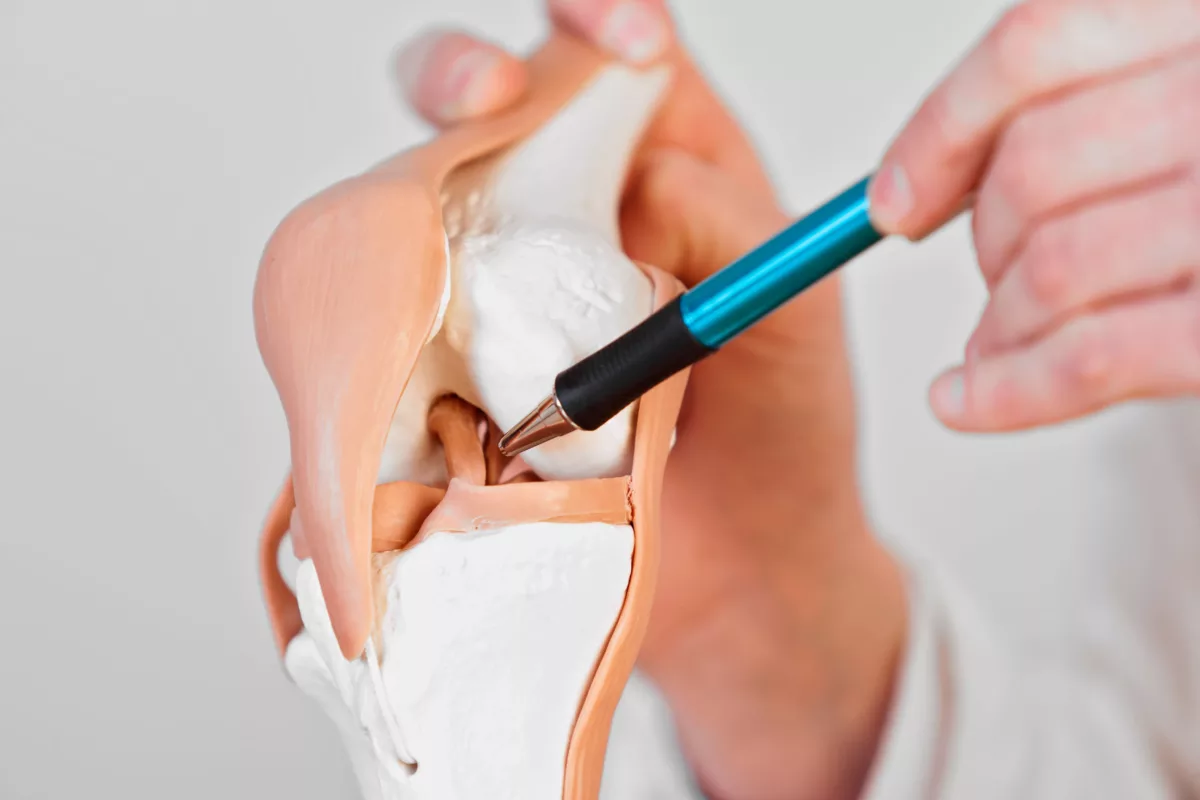
Tissue Repair Over Time
Tissue repair is the body’s coordinated response to injury, aimed at restoring barrier function, structure, and mechanical strength. A small skin cut heals differently than a sprained ligament, and both differ from a tendon that has been repeatedly irritated. Even when the injury feels “better,” the tissue may still be remodeling internally, which is why returning to full activity too soon can trigger setbacks.
Healing follows overlapping phases rather than a single switch. After damage, the body controls bleeding and clears debris, then rebuilds a temporary scaffold, and finally remodels that scaffold into stronger tissue. Practical examples include a bruise that changes color as blood products are broken down, or a knee that feels stable after a few weeks but still has altered tissue properties months later.
Repair also depends on the tissue’s baseline biology. Skin has a rich blood supply and fast cell turnover, so it often closes quickly. Cartilage has limited blood flow and relies on diffusion, so it repairs slowly and incompletely. Bone heals through a specialized process that includes a hard callus stage, which is why fractures require time and sometimes immobilization.
Common Misunderstandings
People often treat “no pain” as proof that tissue has regained its original strength. Pain can decrease while the tissue is still weak, disorganized, or inflamed. In tendons and ligaments, collagen fibers may still be reorganizing, so the tissue can tolerate light movement but fail under higher load.
Another frequent error is assuming that inflammation is always harmful. Inflammation is part of the early repair program: immune cells remove damaged material and release signals that recruit other cells. When inflammation becomes prolonged—such as with repeated strain, poor sleep, smoking, uncontrolled diabetes, or persistent mechanical irritation—the repair process can shift toward scar-like tissue rather than fully restored structure.
Timing misunderstandings also matter. The first days after injury involve clotting and immune activity, so heavy activity can increase bleeding or swelling. Later phases focus on rebuilding and remodeling, so the right dose of movement supports alignment of new fibers. Too little movement can contribute to stiffness and weaker tissue adaptation, while too much too soon can disrupt the remodeling phase.
Real-world consequences show up in common scenarios: a runner resumes training after a mild calf strain because symptoms improved, then experiences a second injury in the same area; a person with a healing wound picks at scabs, reopening the surface and delaying closure; someone with chronic joint irritation increases intensity without addressing the underlying mechanical driver.
Biologically, tissue repair depends on oxygen delivery, nutrient availability, and signaling between cells. Growth factors and cytokines guide cell migration and collagen deposition. Mechanical forces influence how collagen fibers align, which affects strength and function. When blood flow is reduced or metabolic stress is high, the body may still heal, but the process can be slower or result in less organized tissue.
How To Support Healing
Match Activity To Phase
Support healing by choosing movement that fits the repair stage. In the first 48–72 hours after an acute injury, the priority is protecting the damaged area and limiting additional trauma. In later days and weeks, gradual loading helps remodel collagen and improve tolerance. In practice, this can mean switching from high-impact exercise to low-impact options, using pain as a guide, and increasing activity in small steps rather than large jumps.
Why it works: early protection reduces re-injury and excessive swelling, while later loading provides mechanical cues that guide fiber alignment. What it looks like: a person with a sprained ankle may start with gentle range-of-motion movements, then progress to balance work, then to controlled strengthening before returning to running. A realistic outcome is that many minor soft-tissue injuries improve over weeks, but full strength and tissue organization can take longer than symptom relief.
Relevant tools and methods include a simple activity log, range-of-motion checks, and a graded return plan. If pain spikes or swelling increases after a step-up, that pattern suggests the load exceeded what the tissue could handle at that time.
Control Swelling And Pressure
Swelling management supports the early repair environment by limiting pressure on local tissues and helping maintain circulation. In practice, people often use compression wraps, elevation, and short periods of rest from aggravating activity. For wounds, keeping the area clean and protected reduces contamination and repeated mechanical disruption.
Why it works: swelling can increase local pressure and impair microcirculation, which affects oxygen delivery and immune cell function. What it looks like: after an ankle sprain, elevation above heart level for short intervals can reduce throbbing, and compression can limit fluid accumulation. For skin injuries, covering the wound with an appropriate dressing helps maintain a moist healing environment and reduces friction.
Realistic numbers vary by injury type, but early swelling often peaks within the first day or two for many acute soft-tissue injuries. If swelling continues to worsen after several days, it can indicate ongoing irritation or a complication that needs medical assessment.
Feed Repair With Basics
Repair requires energy, protein building blocks, and micronutrients that support cell function. In practice, this means eating regular meals with adequate protein, staying hydrated, and addressing deficiencies when they are known. People recovering from injuries may also benefit from consistent sleep, since sleep affects immune regulation and recovery signaling.
Why it works: protein provides amino acids for collagen and other structural proteins, while micronutrients such as vitamin C and zinc support enzymatic steps in tissue formation. What it looks like: a person who skips meals or relies on low-protein snacks may notice slower wound closure or prolonged soreness. A realistic expectation is that adequate nutrition supports healing, but it does not erase the need for appropriate mechanical protection and time.
Relevant tools include a short food review for protein distribution across the day and, when appropriate, discussing known conditions like diabetes or anemia with a clinician. Evidence for exact nutrient targets depends on the population and injury type, so general adequacy is a safer approach than aggressive supplementation.
Know When To Get Help
Some situations require medical evaluation rather than self-management. Seek care if there is severe pain out of proportion, inability to bear weight, rapidly expanding swelling, numbness or weakness, fever, pus, spreading redness, or a wound that does not show signs of improvement over time. For internal injuries, persistent symptoms after a reasonable period can also justify assessment.
Why it works: clinicians can check for complications such as infection, fracture, tendon rupture, or impaired circulation. What it looks like: a person with a deep cut that gapes open may need closure to reduce infection risk and improve healing. A realistic outcome is that early evaluation can prevent prolonged dysfunction when the injury is more than a minor strain.
Practical tools include documenting symptom changes (pain, swelling, range of motion) and noting triggers. This information helps clinicians interpret whether the repair trajectory is normal.
Educational Case Examples
Example 1: Skin wound after a kitchen cut. A person gets a superficial cut on the hand. Over the first few days, the surface closes while the deeper tissue continues remodeling. They notice that picking at the scab delays closure and increases redness around the edges. After switching to gentle cleaning and covering the wound, the skin barrier stabilizes and the area becomes less tender over the next couple of weeks.
Example 2: Calf strain during training. A runner strains the calf during a sprint. Pain improves after several days, but they return to full-speed intervals immediately. The next training session triggers renewed pain and a tighter feeling, consistent with disrupted remodeling. A graded return with low-impact conditioning and progressive strengthening reduces flare-ups, though full tolerance to sprinting takes longer than the initial symptom relief.
Healing Timeline Checklist
| Tissue Type | Typical Repair Pattern | Common “Normal” Signs | When To Seek Care |
|---|---|---|---|
| Skin | Closure first, then remodeling | Reduced tenderness, gradual color change | Spreading redness, pus, fever, wound not improving |
| Muscle | Regeneration plus scar formation | Decreasing pain with gentle motion | Large bruising, weakness, or persistent loss of function |
| Tendon/Ligament | Collagen remodeling over weeks to months | Improved tolerance, stiffness that eases | Instability, inability to use the joint, worsening swelling |
| Bone | Callus formation then hardening | Pain gradually decreases with protection | Severe pain, deformity, numbness, or inability to bear weight |
Use this checklist to support decision-making, not to predict exact timelines. Healing speed varies with injury size, location, age, blood supply, and ongoing mechanical stress.
Common Mistakes
- Returning to full load based on symptom relief. Pain can improve before tissue strength and organization recover, especially in tendons and ligaments.
- Overusing anti-inflammatory strategies without considering the phase. In early repair, the body uses inflammatory signals for cleanup and coordination. In later phases, excessive suppression may interfere with remodeling in some contexts, though the best approach depends on the specific medication and situation.
- Ignoring repeated irritation. A tendon that is repeatedly strained during daily activities can remain in a cycle of micro-damage and incomplete remodeling.
- Picking at wounds or removing dressings too early. Surface disruption can reopen the barrier and prolong closure.
- Skipping follow-up when function fails to improve. Persistent instability, progressive swelling, or new numbness can indicate a problem beyond routine healing.
FAQ
What are the main stages of healing?
Healing typically progresses through overlapping phases: clotting and inflammation, tissue formation with a temporary scaffold, and remodeling that reorganizes collagen and restores strength. The timing varies by tissue type and injury severity.
Why does pain sometimes improve before healing finishes?
Nerve sensitivity and swelling can decrease while the tissue is still rebuilding and reorganizing. Mechanical strength and fiber alignment often lag behind symptom relief, especially in tendons and ligaments.
How long does tissue repair usually take?
Skin may close within days to weeks, while tendon and ligament remodeling often takes weeks to months. Bone healing commonly takes longer than soft-tissue healing, and exact timelines depend on fracture type and stability.
Can inflammation slow down tissue repair?
Inflammation is part of normal repair early on, but prolonged inflammation from repeated stress, infection, or metabolic issues can shift healing toward scar-like tissue and delay remodeling.
Does nutrition affect wound healing?
Adequate protein, calories, hydration, and key micronutrients support the building steps of tissue repair. Severe under-eating or known deficiencies can slow closure and increase complications, though supplementation should be guided by individual needs.
Author's Insight
Tissue repair is not a single event; it is a staged process that depends on both biology and mechanics. Early phases focus on cleanup and protection, while later phases depend on controlled loading to organize new tissue. Symptoms often change faster than tissue strength, which is why gradual progression matters. When healing does not follow an expected direction—such as worsening swelling, spreading redness, fever, or loss of function—medical assessment helps distinguish normal variation from complications.
Key Takeaways
- Tissue repair progresses through overlapping phases: cleanup, temporary rebuilding, and long remodeling.
- Pain reduction does not always mean full restoration of strength, especially for tendons and ligaments.
- Support healing by matching activity to the injury stage, managing swelling, and maintaining adequate nutrition and sleep.
- Get medical help for red flags such as fever, pus, rapidly expanding redness, severe pain, numbness, or inability to bear weight.