Strength Training For Daily Life
Strength training uses resistance—such as free weights, resistance bands, machines, or bodyweight—to challenge muscles and the systems that coordinate movement. In daily life, that challenge translates into better force production for tasks like standing from a low seat, climbing stairs, pushing a loaded cart, or controlling your body while stepping over obstacles.
For example, a person who can squat or hinge with good control often finds it easier to pick up items from the floor without rounding the back. A person who trains the muscles around the hips and knees may notice less “giving way” during uneven ground walking. People who strengthen the upper back and shoulders often report less discomfort when reaching overhead or holding a phone and laptop posture for long periods, though pain patterns vary by person.
Strength training also affects how quickly you fatigue. When muscles can produce force more efficiently, everyday efforts can feel less taxing at the same pace. This does not mean training eliminates soreness or fatigue, but it can improve tolerance for repeated activity across the day.
Common Pain Points And Missteps
A frequent mistake is treating strength training as only a way to “get bigger.” Muscle size changes can occur, but the day-to-day benefits often come from improved neuromuscular coordination: the nervous system recruits muscle fibers more effectively and times their activation better. That coordination helps you stabilize joints during real movements like stepping, lifting, and reaching.
Another misstep is focusing on isolated exercises while ignoring movement patterns. Carrying groceries depends on hip hinge strength, trunk stiffness, and shoulder stability together. If training only targets one area, the body may still struggle to coordinate the whole chain during tasks that combine bending, twisting, and pushing.
People also underestimate the role of progressive overload. If resistance stays the same for months, strength gains slow because the body adapts to the current demand. Progression does not require maximal effort; it requires a gradual increase in challenge through more repetitions, more resistance, or better technique.
Some people avoid training because of fear of injury. Resistance exercise can be safe when form is appropriate and loads match capacity, but risk rises with poor technique, sudden jumps in intensity, and ignoring pain signals. Joint pain that is sharp, persistent, or worsening deserves medical evaluation rather than “pushing through.”
Biologically, strength training improves muscle cross-sectional area over time and increases strength through neural adaptations early on. It also influences connective tissue loading tolerance, which matters for tendons and ligaments that experience repeated stress during daily tasks. Balance and fall risk can improve because training challenges the body’s ability to control posture under load, not just to “stand still.”
How To Start With Realistic Gains
Choose A Simple Weekly Plan
Start with 2 to 3 strength sessions per week, spaced at least a day apart. Most beginners benefit from training major movement categories: a squat or sit-to-stand pattern, a hinge or deadlift pattern, a push pattern for the chest/shoulders, a pull pattern for the back, and a carry or core stability pattern. This structure matches how daily tasks distribute demands across hips, legs, trunk, and upper body.
In practice, a session might include 4 to 6 exercises, 2 to 3 sets each, and 6 to 12 repetitions per set. Use a load that leaves about 1 to 3 repetitions “in reserve” at the end of each set, meaning you could do a few more reps with good form. That approach reduces the odds of technique breakdown while still providing enough stimulus to adapt.
Track what you do. A simple log with exercise name, sets, reps, and load helps you progress without guessing. If you can complete the top of your rep range for all sets with good form, increase resistance slightly next time.
Use Technique Cues That Match Tasks
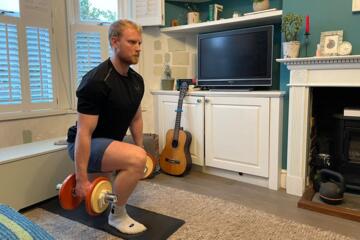
Technique cues should connect to daily movement. For a squat or sit-to-stand, cue “brace the trunk” and “push the floor away” to encourage stable hips and knees. For a hinge, cue “hips back, neutral spine” to reduce excessive rounding during picking up items. For pressing, cue “ribs down” and “control the shoulder blade” to avoid shrugging and to keep the shoulder moving safely.
In practice, slow down the lowering phase. A 2 to 3 second eccentric (lowering) portion improves control and helps you feel which muscles are working. Controlled tempo also reduces momentum, which can hide poor mechanics.
Tools that help include a mirror for alignment checks, a phone video for form review, and a metronome app for consistent tempo. If you feel pain in a joint rather than muscle effort, adjust range of motion or choose a variation that keeps discomfort low.
Progress Gradually Over Weeks
Progression can be simple: when you hit the upper end of your rep range for a given set, increase load by a small amount next session. If you cannot progress for 2 to 3 weeks, reduce volume slightly (for example, one fewer set) or adjust exercise selection to match your current capacity.
Realistic outcomes for many beginners include noticeable strength improvements within 4 to 8 weeks, often driven by neural changes. Muscle size may take longer, and the timeline varies with age, starting fitness, sleep, nutrition, and consistency.
For daily-life carryover, pay attention to specific tasks. If you struggle with stairs, include leg strength and trunk stability. If you struggle with lifting from the floor, include hinge and controlled squat patterns. If you struggle with reaching overhead, include pressing and pulling with shoulder-friendly ranges.
Match Intensity To Safety And Recovery
Intensity should challenge you without breaking form. A common beginner target is moderate effort: sets that feel hard by the last few reps but do not cause sharp pain. Recovery matters because strength training stresses the nervous system and muscles; most people do best with 48 to 72 hours between sessions for the same muscle groups.
Sleep and nutrition influence adaptation. Insufficient sleep can reduce training quality and recovery, while inadequate protein intake can limit muscle repair. Exact needs vary by body size and activity level, so using a general nutrition approach—adequate calories and protein distributed across the day—tends to be more practical than chasing precise numbers.
If you have a medical condition, take medications that affect balance, or have a history of joint injuries, discuss training plans with a qualified clinician or physical therapist. That step is especially relevant when pain, numbness, or dizziness occurs during exercise.
Educational Case Examples
Stairs And Chair Rise
An anonymized 62-year-old who reported difficulty rising from a low chair started with sit-to-stand practice and a leg-focused routine twice weekly. The program included a controlled sit-to-stand, a light goblet squat to a box height, a hip hinge pattern, and a calf raise. Over 6 to 8 weeks, the person reported easier chair rises and less “wobble” during the first steps after standing, while maintaining joint comfort by using ranges that stayed pain-free.
Groceries And Shoulder Comfort
An anonymized 45-year-old who experienced shoulder discomfort when carrying grocery bags trained upper back and shoulder stability alongside pressing. The routine included rows, a controlled overhead press within a comfortable range, and farmer-style carries with moderate weight. The person used a log to progress slowly and adjusted grip width and range when discomfort increased. After several weeks, carrying felt more stable, and reaching after lifting felt less strained.
Strength Training Checklist
| Goal For Daily Life | Train These Patterns | What To Track | Common Pitfall |
|---|---|---|---|
| Stand Up Easier | Sit-to-stand, squat pattern, calf raises, trunk bracing | Reps at a consistent box height; fewer compensations | Going too low too soon and losing control |
| Carry Groceries | Hip hinge, carries, rows, shoulder stability | Distance or time you can carry with stable posture | Overloading grip without trunk control |
| Climb Stairs | Step-ups, squats, glute strength, balance work | Stair pace at the same perceived effort | Skipping leg strength and only doing cardio |
| Reach Overhead | Pressing within range, rows, controlled mobility | Pain-free range and stable shoulder position | Pressing through sharp pain or pinching |
Decision checklist: Start with 2 to 3 sessions weekly; choose 4 to 6 exercises that cover legs, hips, trunk, and upper body; use moderate effort with good form; progress gradually; stop and reassess if pain is sharp, worsening, or accompanied by numbness or dizziness.
Common Mistakes To Avoid
Training too hard on day one is a common error. Beginners often choose loads that cause form breakdown, which can turn muscle effort into joint stress. A moderate load with clean technique is a better starting point than chasing fatigue.
Skipping the trunk is another issue. Many daily tasks fail at the midsection: lifting, carrying, and reaching all require trunk stiffness and control. Core training does not need to be endless crunches; it can include bracing during squats, carries, and controlled anti-rotation movements.
Changing exercises every week prevents progression. Variety can help prevent boredom and overuse, but constant switching makes it harder to track improvement and to build skill in specific movement patterns.
Ignoring recovery leads to stalled progress. If soreness lasts longer than expected, performance drops, or sleep worsens, reduce volume or intensity and reassess technique and rest.
Using pain as a progress marker is risky. Muscle soreness after training can be normal, but sharp joint pain, radiating symptoms, or numbness should prompt stopping the activity and seeking appropriate medical advice.
FAQ
How Often Should I Train Strength?
Many adults do well with 2 to 3 sessions per week, training major movement patterns. Spacing sessions by at least a day helps recovery, and adjusting frequency based on soreness and performance is reasonable.
Will Strength Training Make Me Bulky?
Muscle size can increase, but the amount varies by genetics, training volume, and nutrition. Beginners often gain strength and coordination first, and noticeable size changes usually require sustained higher training volume and specific dietary patterns.
What If I Have Joint Pain?
Joint pain during exercise is a signal to modify. Choose ranges of motion that keep discomfort low, reduce load, and consider professional guidance if pain is sharp, persistent, or accompanied by numbness or weakness.
Do I Need Heavy Weights?
Heavy weights are not required for strength gains. Moderate loads performed with good technique and progressive overload can improve strength, especially when sets are challenging near the end of the rep range.
How Long Until Daily Tasks Feel Easier?
Some people notice improvements in coordination and confidence within a few weeks. Strength and endurance changes often become clearer over 4 to 8 weeks, depending on consistency, starting fitness, and the specific tasks trained.
Author's Insight
Strength training supports daily life through neuromuscular adaptation, improved movement control, and gradual increases in muscle force capacity. The most reliable day-to-day improvements come from training patterns that resemble real tasks: hip hinge and squat mechanics for lifting and standing, trunk stability for carrying and reaching, and shoulder/back strength for posture under load.
Progress tends to be faster early because the nervous system adapts quickly, while muscle size and connective tissue tolerance build over longer timeframes. Safety depends on technique, appropriate load selection, and attention to pain signals rather than pushing through sharp discomfort.
Because individual conditions vary, the best plan matches your current abilities and the specific daily tasks that feel hardest, with adjustments as you learn what ranges and exercises stay comfortable.
Key Takeaways
- Strength training improves everyday function by enhancing force production and movement control, not just muscle size.
- Use a weekly plan with 2 to 3 sessions, covering legs/hips, trunk stability, and upper-body push/pull patterns.
- Progress gradually by adding reps or small load increases while keeping technique stable.
- Track improvements using specific daily tasks and stop if pain is sharp, worsening, or paired with numbness or dizziness.